Hormuz Shipping Crisis Threatens Global Energy Supply Chains
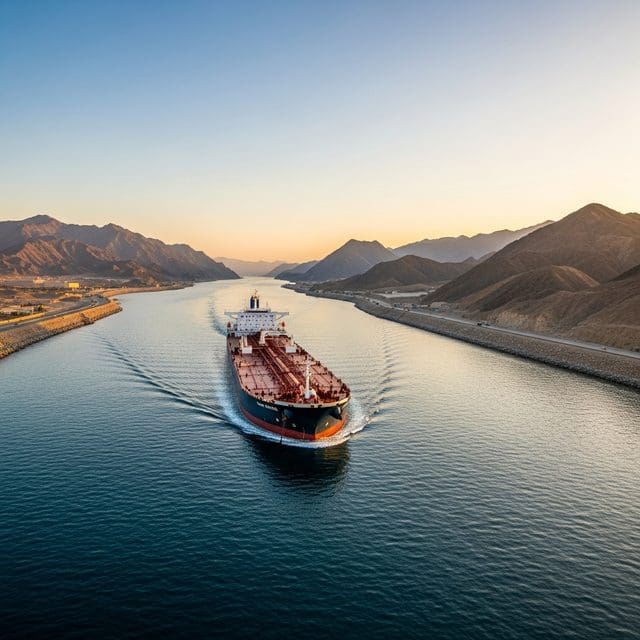
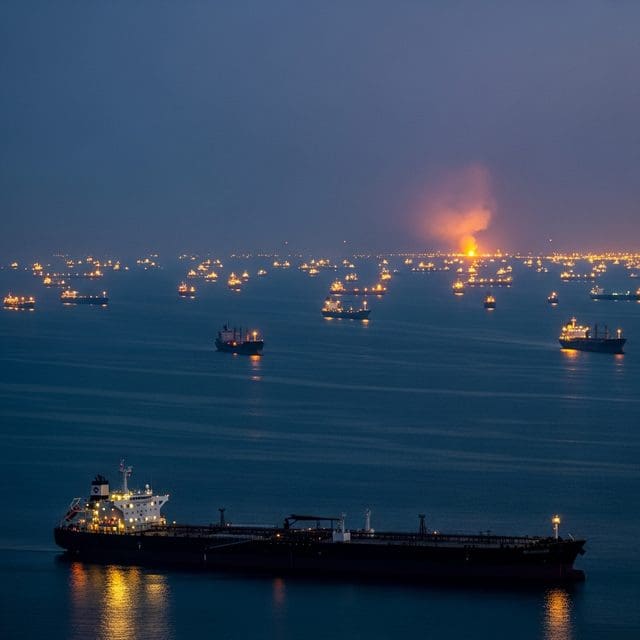
Iranian military forces have declared the Strait of Hormuz closed, sparking U.S. airstrikes and stranding thousands of seafarers as global crude exports face a critical bottleneck.
Iranian military forces have declared the Strait of Hormuz closed, sparking U.S. airstrikes and stranding thousands of seafarers as global crude exports face a critical bottleneck.
Escalating rhetoric over Canadian wildfire smoke and shifting medical technology supply chains highlight the growing friction between national sovereignty and globalized trade networks.
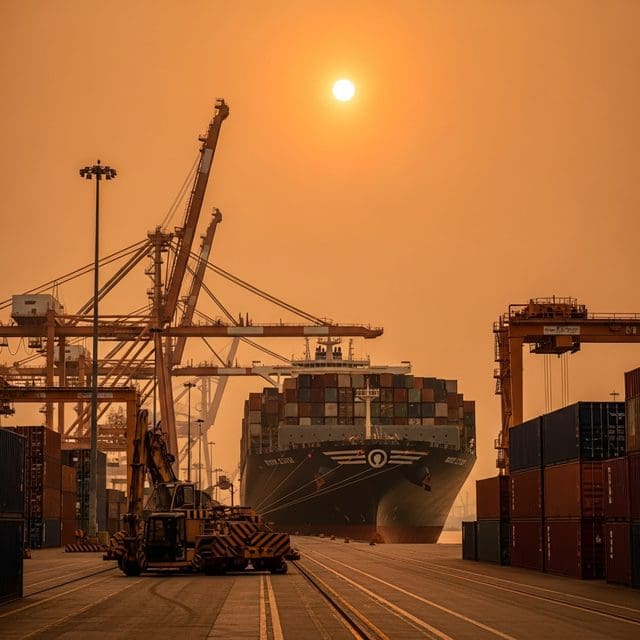
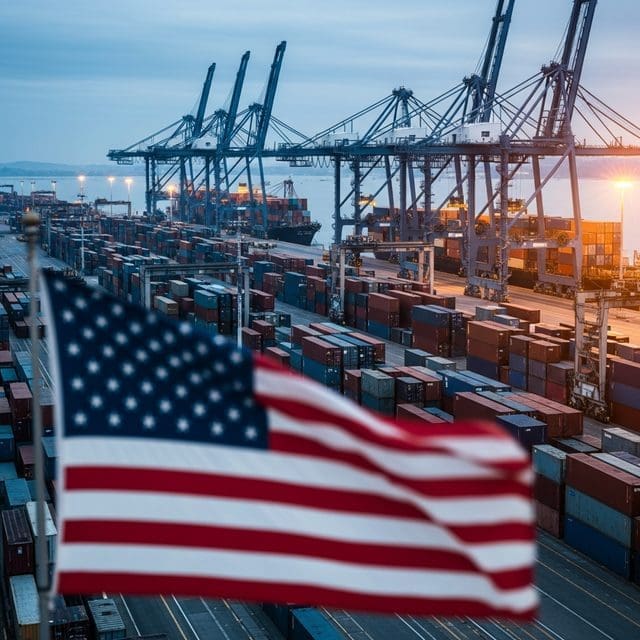
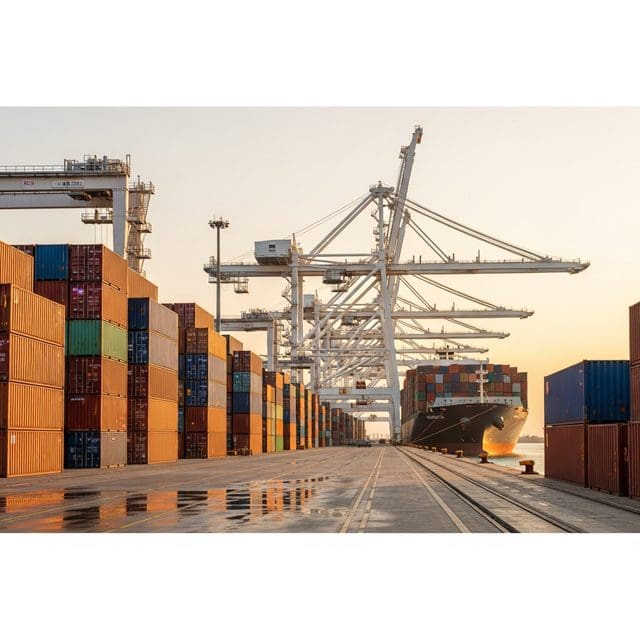
U.S. container imports surged in June as businesses front-loaded goods to bypass rising ocean freight costs and the potential extension of a 10% global tariff.
The reopening of the Strait of Hormuz and new defense manufacturing partnerships with Ukraine are driving a major realignment in global logistics and domestic energy costs.
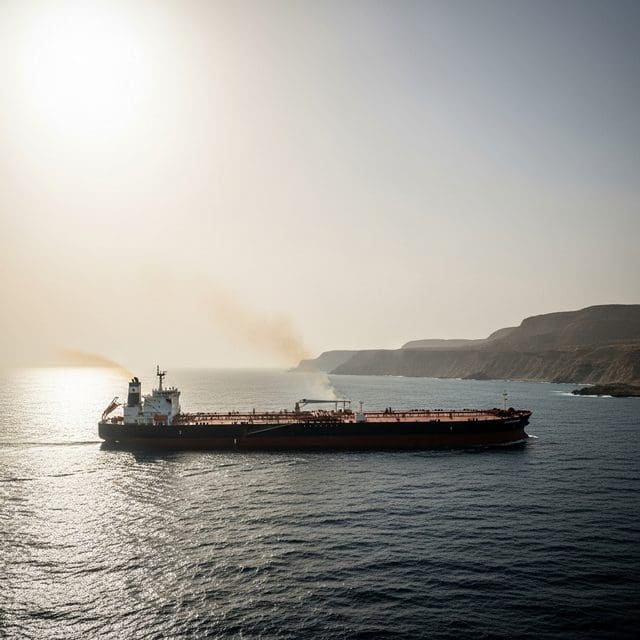
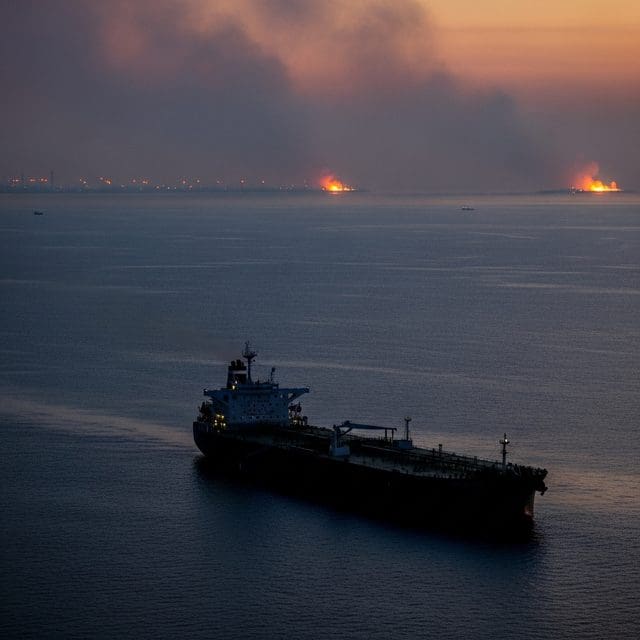
A projectile strike on a Panamanian tanker off Yemen has ended a brief maritime lull, threatening the energy flows and supply chains essential to American industry.
The reopening of the Strait of Hormuz stabilizes energy markets while FIFA’s 2026 World Cup pivots toward a controversial, blockchain-based digital supply chain.
The Trump administration’s refusal to commit to a USMCA renewal by the July 1 deadline creates supply chain volatility while Congressional priorities remain stalled over election integrity legislation.
The interception of a massive illicit shipment in Lagos highlights growing security challenges within international shipping corridors and the necessity for robust maritime surveillance.
Iranian drone strikes on Bahrain and tankers have paralyzed the Strait of Hormuz, stranding thousands of mariners and forcing a massive rerouting of global manufacturing feedstocks around Africa.