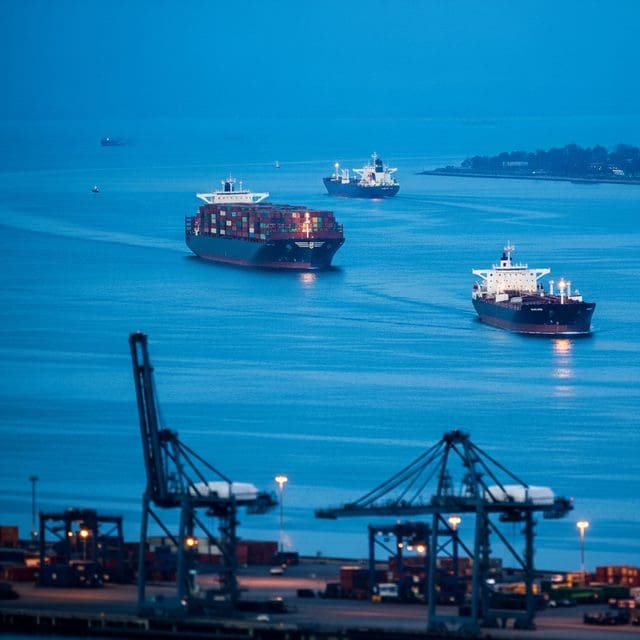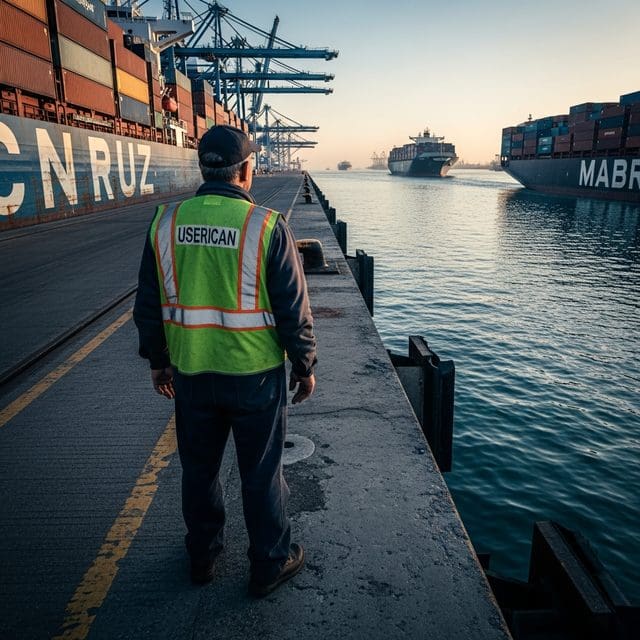
Strait of Hormuz Reopening Faces Logistics Hurdles and Shipping Skepticism
A fragile U.S.-Iran memorandum aims to restore the flow of one-fifth of global energy trade, though shipping operators remain wary after months of maritime conflict.
A fragile U.S.-Iran memorandum aims to restore the flow of one-fifth of global energy trade, though shipping operators remain wary after months of maritime conflict.
Geopolitical shifts in the Middle East and a proposed U.S.-Iran peace plan have triggered a 10% drop in oil prices, offering relief to domestic manufacturers and global supply chains.
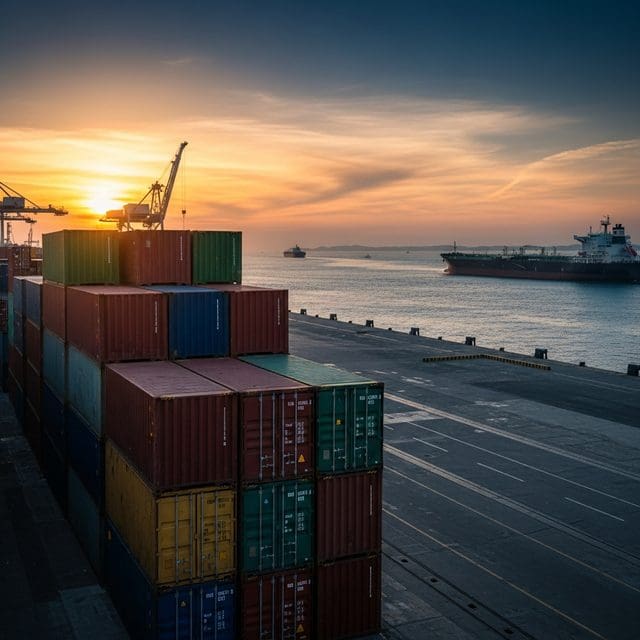
Oil prices plummeted 10 percent following a diplomatic breakthrough to reopen the Strait of Hormuz, providing a critical cost reprieve for American manufacturers and the domestic transportation sector.
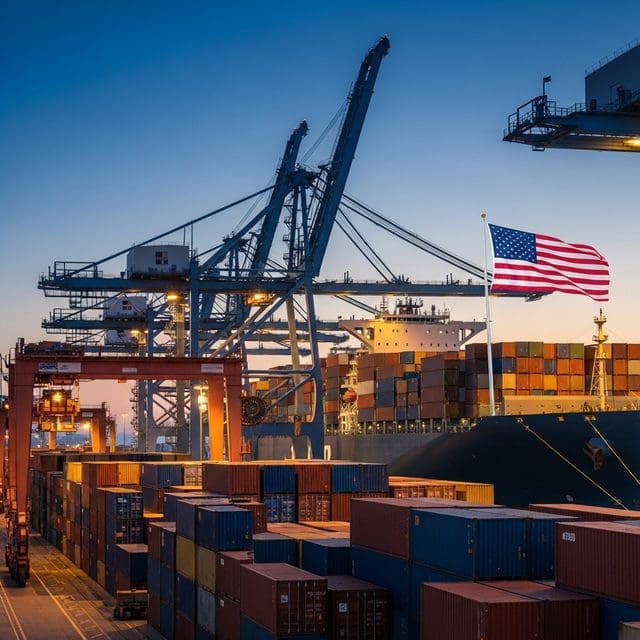
American supply chains face a complex landscape of port congestion, European trade ultimatums, and shifting manufacturing footprints as the July 4 deadline for the Turnberry framework approaches.
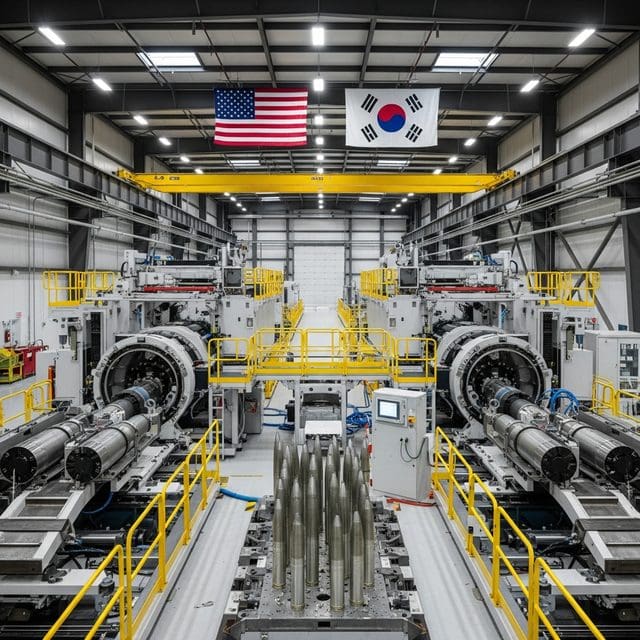
Hanwha Aerospace is shifting from an export-only model to building high-tech munitions plants in Alabama and Arkansas to secure Western supply chains.
A temporary Middle East ceasefire and falling oil prices provide a critical lifeline for American farmers and manufacturers facing the worst economic pressures in decades.
Rising food prices and energy corridor closures are forcing a realignment of global trade and investment strategies.
A breakthrough ceasefire and the reopening of the Strait of Hormuz have sent oil prices tumbling, yet American manufacturers face a complex 2026 landscape of cooling demand and looming trade…
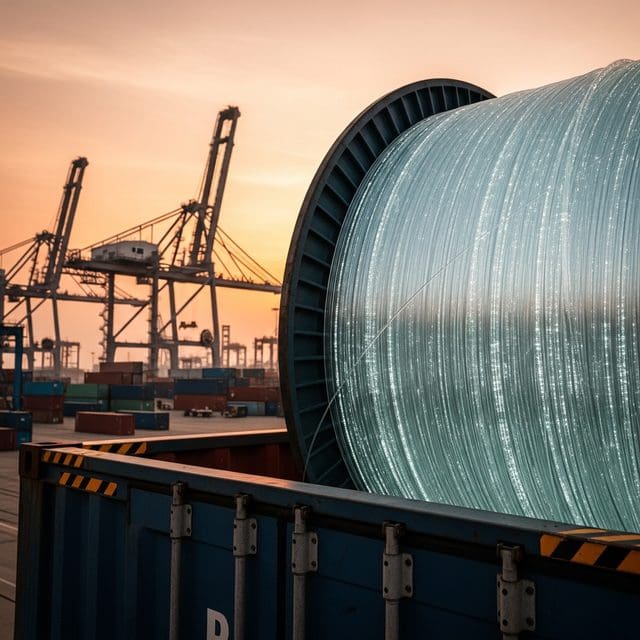
Surging demand for AI data centers is straining global supply chains as Chinese germanium controls and specialized glass shortages push fiber optic lead times into 2027.