

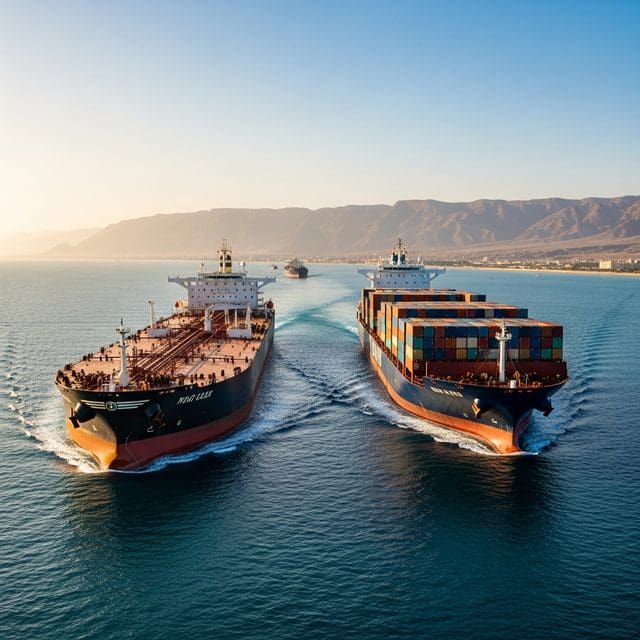
Geopolitical shifts in the Middle East and a proposed U.S.-Iran peace plan have triggered a 10% drop in oil prices, offering relief to domestic manufacturers and global supply chains.
The machinery of global trade received a significant jolt this week as geopolitical tensions in the Middle East showed rare signs of cooling, offering a reprieve for the American blue-collar workforce and the domestic manufacturing sector. On April 17, 2026, oil prices plummeted by more than 10% following joint announcements from the Trump administration and Iran’s foreign ministry confirming the Strait of Hormuz is once again open for transit. For the American enterprise, which relies on stable energy costs to power factories and move freight, the reopening of this strategic chokepoint is a vital development in the journey of things.
This maritime breakthrough is the centerpiece of a broader diplomatic maneuver aimed at regional stability. Reports indicate the U.S. and Iran are negotiating a three-page peace plan involving the potential release of $20 billion in frozen Iranian funds. In exchange, Iran would surrender its entire stockpile of enriched uranium. If finalized, this deal could fundamentally alter risk assessments for maritime insurance and shipping routes that have been plagued by high premiums, directly impacting the landed cost of imported raw materials.
Simultaneously, the administration announced a 10-day ceasefire between Israel and Lebanon, effective April 17. While the duration is limited, the pause provides a critical window for logistics providers to clear backlogs in Mediterranean and Red Sea corridors. These developments suggest a strategic pivot toward a trade-first foreign policy that prioritizes the flow of commerce and the security of international shipping lanes over protracted regional conflicts that drain domestic resources.
However, the volatility of the globalized system remains a pressing concern. While the energy sector saw a downturn in prices, broader financial markets experienced a historic shock. On June 5, 2026, the Nasdaq Composite fell 1,121 points, marking its largest one-day point drop on record. The S&P 500 followed, witnessing a $1.8 trillion wipeout in market value. This contrast highlights the inherent fragility of a system where diplomatic progress in one sector can be quickly overshadowed by systemic financial instability.
On the technological front, the push for American leadership in manufacturing infrastructure continues. Anthropic CEO Dario Amodei met with White House officials on April 17 to resolve disputes with the Pentagon over the Claude AI model. As modern manufacturing becomes increasingly reliant on AI for supply chain optimization, the friction between private innovation and national security requirements remains a central theme. Ensuring these tools support the dignity of the individual worker and national security is paramount.
Further complicating the trade landscape are advancements in aerospace and regional logistics. NASA’s X-59 aircraft successfully completed its first supersonic flight on June 5, a milestone that could eventually revolutionize high-speed cargo delivery. Meanwhile, Philippine Airlines joined the oneworld alliance on June 6, strengthening connectivity across Southeast Asia. As these pieces of the global puzzle shift, the focus remains on how these high-level maneuvers translate to the shop floor. For the American worker, the goal is a trade environment that rewards domestic production and ensures the journey of things begins and ends with a commitment to national prosperity.

Sean Bradley serves as the Senior Correspondent for Trade, Supply Chains, and Global Labor at Just Right News, where he brings a principled, clear-eyed perspective to the complex systems that power the modern world. With a focus on the economic forces that impact the American household, Bradley has distinguished himself as a leading voice in explaining how global shifts in manufacturing and logistics translate to the kitchen table.
Growing up in Long Beach, California, Bradley’s interest in the movement of goods was forged against the backdrop of one of the nation’s most vital maritime gateways. Raised in a community where the towering cranes of the port were a constant fixture on the horizon, he developed an early appreciation for the blue-collar industries that form the backbone of the American economy. This upbringing instilled in him a profound respect for the dockworkers, truckers, and laborers who keep the country moving, a sentiment that remains a cornerstone of his reporting today. For Bradley, trade is not merely a series of abstract figures on a spreadsheet; it is a human endeavor that sustains families and defines the strength of a nation.
Now based in Seattle, Washington, Bradley occupies a strategic vantage point in another of the country’s most significant trade hubs. His location allows him to witness firsthand the intersection of traditional industry and the evolving technological landscape of global logistics. From the Pacific Northwest, he monitors the flow of goods across the ocean, providing Just Right News readers with timely insights into how international tensions, regulatory hurdles, and labor disputes affect the availability and cost of essential goods.
His signature feature series, “The Journey of Things,” has become a staple for readers seeking to understand the intricate path products take from raw materials to the retail shelf. Through this series, Bradley pulls back the curtain on the global marketplace, often highlighting the risks of over-reliance on foreign adversaries and the importance of domestic manufacturing resilience. His reporting consistently emphasizes the conservative values of national sovereignty, free-market competition, and the protection of the American worker from unfair global practices.
As a journalist of Irish heritage, Bradley maintains a deep-seated respect for the dignity of the individual worker and the importance of community stability. He approaches his beat with a commitment to transparency, often questioning the status quo of globalist policies that prioritize corporate efficiency over local prosperity. Whether he is reporting from a warehouse floor or analyzing a new international trade agreement, his goal remains the same: to provide the American public with the truth about where their products come from and what it costs to get them there.
Throughout his tenure at Just Right News, Bradley has remained a steadfast advocate for economic common sense. His work serves as a vital resource for those who believe that a strong nation is built on secure borders, robust trade, and a respected workforce. By combining his local roots in Long Beach with his professional experience in Seattle, Bradley continues to offer a unique and necessary perspective on the forces that shape the American way of life.