

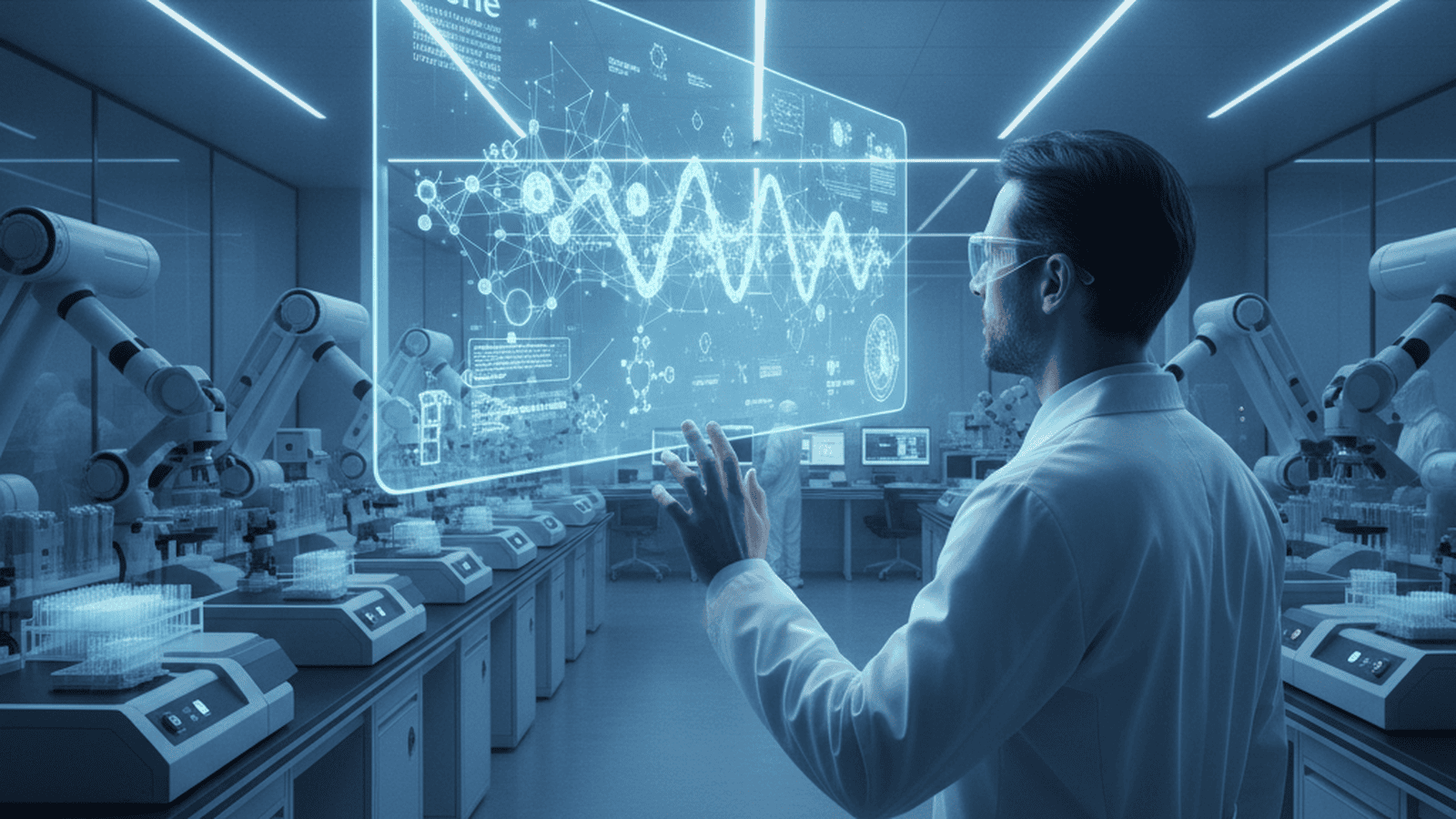
Researchers at the California-based startup Profluent have developed the first AI-generated gene editor capable of modifying the human genome. By training large language models on massive biological datasets, the team designed a synthetic protein that performs with high precision and fewer off-target effects than naturally occurring CRISPR-Cas9 systems.
TLDR: Scientists at Profluent have utilized artificial intelligence to design OpenCRISPR-1, a completely synthetic gene-editing tool. Unlike traditional CRISPR derived from bacteria, this AI-generated system was built from scratch using protein language models. Initial tests show it successfully edits human DNA with high efficiency, paving the way for bespoke genomic medicines.
The field of genomic medicine has entered a new era as researchers at Profluent, a California-based biotechnology startup, successfully demonstrated the first gene-editing system designed entirely by artificial intelligence. This breakthrough, centered on a tool named OpenCRISPR-1, represents a departure from the traditional method of repurposing biological mechanisms found in nature. Instead of searching for gene editors in bacterial immune systems, the team utilized large language models to engineer a synthetic protein capable of precise DNA modification in human cells. For over a decade, the CRISPR-Cas9 system has been the gold standard for genetic engineering. This technology was originally discovered as a defense mechanism used by bacteria to fight off viruses. While effective, naturally occurring CRISPR systems often carry limitations, such as off-target effects where the tool inadvertently cuts DNA in the wrong locations. Scientists have long sought ways to refine these tools, but the complexity of protein folding and genetic interactions made manual design a slow and arduous process.
Profluent’s approach involved training AI models on massive datasets containing billions of protein sequences and genomic structures. These models learned the grammar of biology, allowing them to predict how different amino acid sequences would behave and interact with DNA. The AI models used by Profluent are similar in architecture to the large language models that power modern chatbots, but instead of words and sentences, they process the sequences of amino acids that make up proteins. By analyzing the vast diversity of life on Earth at a molecular level, the AI identifies patterns that are invisible to the human eye. This allows the system to propose entirely new protein architectures that maintain the necessary structural integrity to bind with DNA while optimizing for specific traits like heat stability or binding affinity. The resulting OpenCRISPR-1 protein is a completely novel molecule that does not exist in the natural world.
In laboratory tests conducted at the company’s Berkeley facility, OpenCRISPR-1 was introduced into human cells to target specific genetic sequences. The results indicated that the AI-designed editor performed with an efficiency comparable to the widely used Cas9 protein. Crucially, the synthetic tool showed a significant reduction in off-target activity. This precision is vital for clinical applications, where even a single unintended genetic mutation could lead to serious health complications for a patient. The development of OpenCRISPR-1 also highlights a shift toward open-source biology. Profluent has made the sequences for their AI-generated editor publicly available, encouraging the broader scientific community to test and iterate on the design. This move is intended to accelerate the development of therapies for genetic diseases by removing some of the proprietary barriers that often slow down innovation in the pharmaceutical industry.
The success of this project suggests that the bottleneck in gene therapy may no longer be the discovery of new tools, but rather the speed at which they can be designed and validated. By treating biological sequences as a language that can be written and edited, researchers can now tailor molecular machines for specific therapeutic tasks. This could lead to highly personalized treatments for conditions ranging from sickle cell anemia to rare metabolic disorders. As the technology matures, the focus will shift toward the safety and delivery of these synthetic proteins. While the initial results are promising, extensive clinical trials will be required to ensure that AI-generated editors behave predictably within the complex environment of a living human body. The integration of generative AI into biotechnology marks a fundamental change in how scientists interact with the building blocks of life, moving from observation to intentional, data-driven creation.

Mason Reed serves as a Staff Writer for Just Right News, where he spearheads the Future Frontiers & Special Projects desk. In an era defined by rapid technological shifts and evolving social landscapes, Mason provides a steady, principled voice, examining the innovations of tomorrow through the lens of traditional American values. His work is most prominently featured in his signature series, “The Next Horizon,” where he explores the intersection of emerging technology, national sovereignty, and the preservation of individual liberty.
A native of San Diego, California, Mason’s worldview was shaped by the unique culture of his hometown. Growing up in a region defined by its strong military presence and its history of maritime industry, he developed a deep-seated respect for the institutions that provide national stability and the entrepreneurial spirit that drives the American economy. This upbringing instilled in him a belief that true progress is not found in discarding the past, but in building upon a foundation of proven principles. His reporting often reflects this San Diego influence, emphasizing the importance of a robust national defense and the necessity of maintaining a competitive edge in the global marketplace.
Now based in San Francisco, Mason operates from the heart of the world’s technological engine. Living and working in the Bay Area provides him with a front-row seat to the advancements—and the ideological challenges—emanating from Silicon Valley. While many in the region embrace a “move fast and break things” mentality, Mason’s reporting serves as a vital counterweight. He offers Just Right News readers a “boots on the ground” perspective, documenting how radical local policies and the concentration of tech power impact the everyday lives of citizens. His proximity to the industry allows him to cut through the marketing jargon of big tech to uncover the real-world implications for privacy, free speech, and the nuclear family.
In his “Future Frontiers” beat, Mason tackles complex subjects ranging from the ethics of artificial intelligence to the burgeoning private space race. He approaches these topics with a healthy skepticism toward centralized bureaucracy, championing instead the decentralized innovations that empower individuals. Through “The Next Horizon,” he highlights the pioneers and thinkers who are working to ensure that the future remains a place where human dignity and constitutional rights are protected. He believes that the rapid pace of change requires more than just technical expertise; it requires a moral compass rooted in the Western tradition.
Throughout his tenure at Just Right News, Mason has remained committed to the idea that the future is something to be shaped, not merely accepted. His writing is characterized by a rigorous defense of American exceptionalism and a belief that the country’s best days lie ahead, provided it remains true to its founding ideals. Whether he is investigating the impact of automation on the American workforce or profiling the next generation of aerospace engineers, Mason Reed ensures that his readers are equipped with the insights they need to navigate a changing world with confidence and clarity.