

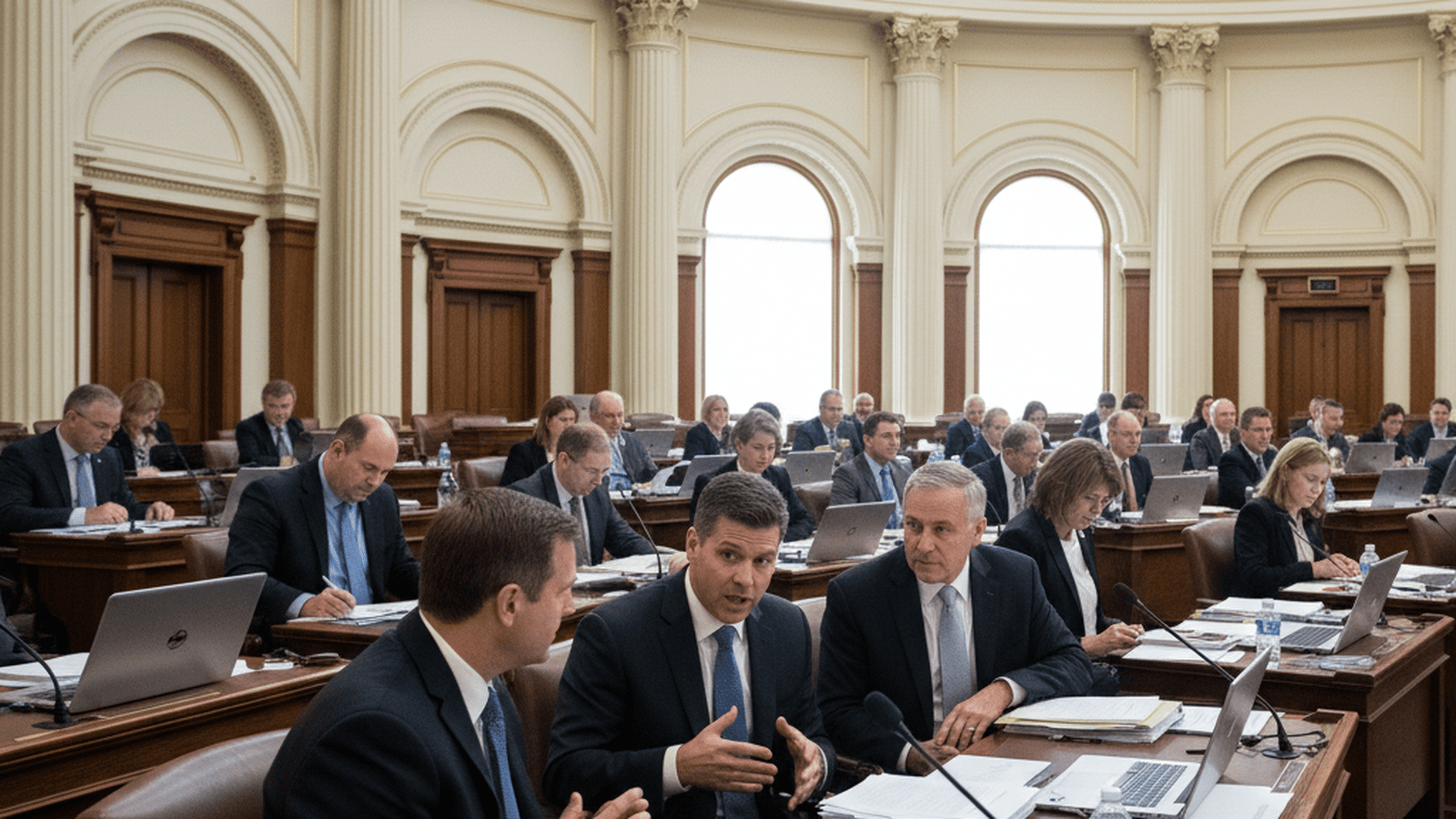
In 2015, Utah enacted Senate Bill 296, a landmark piece of legislation known as the Utah Compromise that expanded civil rights protections. The law prohibited discrimination against LGBTQ+ individuals in housing and employment while simultaneously safeguarding religious liberties within the United States.
TLDR: The 2015 Utah Compromise represented a historic shift in Mountain West politics by codifying non-discrimination protections for LGBTQ+ citizens. By balancing these rights with religious freedom exemptions, the Republican-led legislature created a bipartisan model for civil rights legislation that influenced national policy debates for years to follow.
In March 2015, the Utah State Legislature achieved what many political analysts considered nearly impossible: a bipartisan consensus on the intersection of LGBTQ+ rights and religious freedom. Senate Bill 296, famously known as the “Utah Compromise,” was a landmark piece of legislation that fundamentally reshaped the civil rights landscape of the Mountain West. By prohibiting discrimination based on sexual orientation and gender identity in housing and employment, Utah became one of the first conservative-leaning states in the United States to codify such protections, doing so through a unique framework that simultaneously bolstered religious liberty.
The path to this historic agreement was paved by years of shifting social dynamics and intense legal battles. For over a decade, non-discrimination bills had been introduced in the Republican-dominated legislature, only to be defeated or stalled in committee. The turning point arrived in 2014, following the U.S. District Court ruling in Kitchen v. Herbert, which struck down Utah’s ban on same-sex marriage. This legal shift created an urgent need for a legislative solution that could address the concerns of both the LGBTQ+ community and the state’s significant religious population. Leaders from the Church of Jesus Christ of Latter-day Saints and representatives from Equality Utah began a series of high-stakes, private negotiations. These dialogues were characterized by a mutual recognition that neither side could achieve its goals through total victory in the courts or the legislature.
When Senate Bill 296 was finally introduced, it represented a delicate balancing act. The law extended clear protections to LGBTQ+ individuals, ensuring they could not be evicted from their homes or fired from their jobs based on their identity. However, to secure the support of conservative lawmakers and religious institutions, the bill included robust exemptions. It clarified that religious organizations, their affiliated non-profits, and the Boy Scouts of America were not subject to the non-discrimination requirements. Furthermore, it protected the rights of employees to express their religious or moral beliefs in the workplace, provided such expressions were not harassing or disruptive to the business. This compromise ensured that while individual rights were expanded, the institutional autonomy of religious groups remained intact.
Governor Gary Herbert signed the bill into law on March 12, 2015, in a ceremony that featured an unlikely coalition of advocates. Standing together were LDS apostles, LGBTQ+ activists, and Republican legislative leaders. This visual of unity was a powerful symbol in a period of increasing national polarization. While the bill was celebrated as a “miracle in the desert,” it was not without its critics. Some civil rights advocates pointed out that the law did not extend to public accommodations, such as restaurants or retail stores. Meanwhile, some religious hardliners argued that the exemptions did not go far enough to protect individual business owners with sincere religious objections. Despite these critiques, the law represented a significant departure from the adversarial politics that often characterized civil rights debates in the post-9/11 era.
The impact of the Utah Compromise resonated far beyond the state’s borders. It provided a tangible blueprint for the “Fairness for All” initiative at the federal level, suggesting that civil rights and religious freedom are not necessarily a zero-sum game. In the years that followed, other states looked to Utah’s legislative language as a model for navigating similar cultural divides. Within Utah, the law fostered a more collaborative political environment, eventually leading to further reforms, including a 2019 ban on conversion therapy for minors and updated hate crimes legislation. Today, the Utah Compromise remains a primary case study in how targeted negotiation and a willingness to compromise can produce durable policy changes in a deeply divided society.

Dylan Brooks serves as the Senior Correspondent for Statehouses and Local Governance at Just Right News, where he brings a principled, constitutionalist lens to the often-overlooked machinery of state-level politics. As the lead voice behind the acclaimed feature series “Fifty Laboratories of Power,” Dylan has dedicated his career to the idea that the most impactful governance happens closest to home. His reporting consistently champions the Tenth Amendment, exploring how individual states can serve as testing grounds for innovative, conservative policy solutions that prioritize personal liberty and fiscal responsibility.
A native of Des Moines, Iowa, Dylan’s journalistic philosophy was forged in the heart of the American Midwest. Growing up in a community where local school board meetings and town halls were the bedrock of civic life, he developed a deep appreciation for the “retail politics” of the heartland. This upbringing instilled in him a fundamental belief that the American experiment is best preserved when power is decentralized. He carries the values of his Iowa roots into every assignment, maintaining a healthy skepticism of federal overreach and a steadfast commitment to the concerns of everyday citizens over the interests of the administrative state.
Now based in Madison, Wisconsin, Dylan operates from one of the nation’s most pivotal political battlegrounds. His location in a state capital known for its rigorous policy debates allows him to provide Just Right News readers with a front-row seat to the legislative process. From Madison, he tracks the ripple effects of statehouse decisions on local municipalities, ensuring that the connection between high-level policy and community impact is never lost. His work often highlights the success of conservative governors and legislatures in fostering economic growth, protecting parental rights, and securing the integrity of local institutions.
As an African American man in the conservative media landscape, Dylan offers a vital perspective on how limited government and free-market principles empower individuals and families. He frequently reports on how deregulation and school choice initiatives provide new avenues for success in underserved communities, challenging the monolithic narratives often presented by legacy media outlets. Dylan’s work is characterized by a commitment to the facts and a refusal to shy away from the complex realities of modern governance.
Throughout his tenure at Just Right News, Dylan has become a trusted authority for readers who value a rigorous, principled approach to the news. Whether he is dissecting a complex state budget or profiling a local grassroots movement, his goal remains the same: to provide the American public with the information they need to hold their local leaders accountable. By focusing on the “Fifty Laboratories of Power,” Dylan Brooks ensures that the vital work being done in statehouses across the country receives the national attention it deserves, always through a lens that respects the traditions and sovereignty of the American people.