

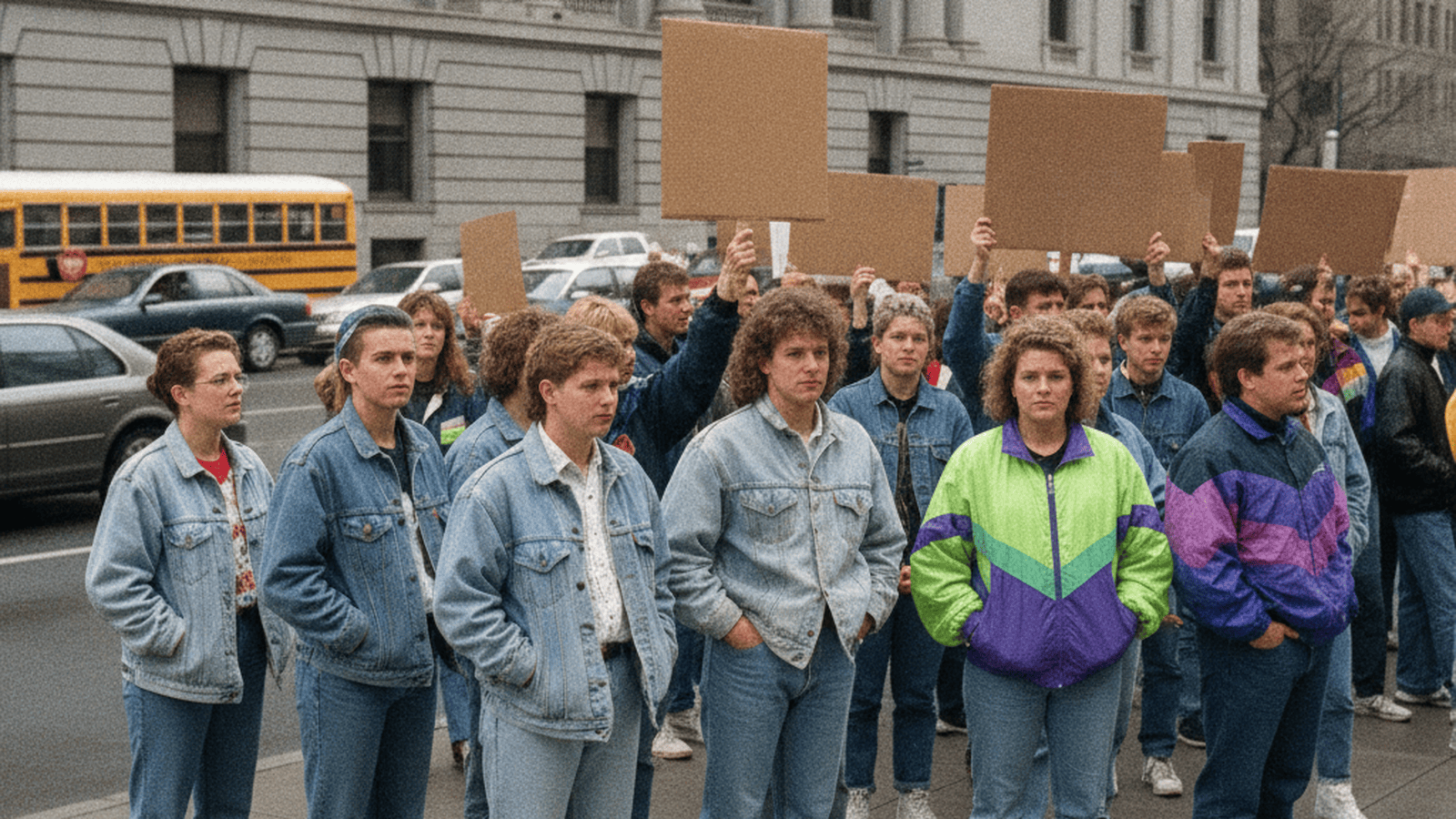
In 1992, Colorado voters passed Amendment 2, a controversial measure that prohibited the state and its municipalities from granting protected status to individuals based on sexual orientation. The United States Supreme Court eventually struck down the amendment in the landmark 1996 case Romer v. Evans, ruling that it violated the Equal Protection Clause.
TLDR: Colorado’s 1992 Amendment 2 sought to block anti-discrimination protections for LGBTQ+ citizens, sparking a national civil rights firestorm. The U.S. Supreme Court’s 1996 decision in Romer v. Evans overturned the measure, establishing a critical precedent that states cannot target specific groups for legal exclusion based on animus.
The political landscape of the Mountain West shifted dramatically in 1992 when Colorado voters considered a ballot initiative known as Amendment 2. This measure sought to amend the state constitution to prohibit any branch of government—state or local—from adopting policies that provided protected status or claims of discrimination based on sexual orientation. The campaign surrounding the initiative was one of the most contentious in the state’s history, reflecting a deep cultural divide over the definition of civil rights in the post-Watergate era.
The impetus for Amendment 2 came from a group called Colorado for Family Values. They argued that local ordinances in Denver, Aspen, and Boulder, which had recently added sexual orientation to their civil rights codes, were granting special rights to gay and bisexual citizens. Proponents claimed that these protections infringed upon the religious and personal liberties of other citizens. The campaign utilized aggressive messaging, suggesting that the existing legal framework was sufficient and that specific protections for one group were unnecessary and burdensome.
Opponents of the measure, organized under the banner of the Coalition for Family Values, argued that Amendment 2 was an unprecedented attempt to strip a specific group of people of their right to participate in the political process. They contended that the amendment did not just prevent special rights but actually authorized discrimination by removing the ability of local governments to address grievances. Despite a vigorous opposition campaign, Colorado voters approved the amendment in November 1992 with 53 percent of the vote.
The fallout was immediate. National organizations called for a boycott of Colorado, labeling it the Hate State. More importantly, a legal challenge was filed within hours of the election. Richard G. Evans, a Denver city employee, joined other plaintiffs and several municipalities to sue Governor Roy Romer. They argued that Amendment 2 violated the Equal Protection Clause of the Fourteenth Amendment to the United States Constitution by singling out a specific class of people and denying them the right to seek legal redress through the normal political channels.
The case moved through the Colorado court system, where the state Supreme Court eventually upheld a permanent injunction against the amendment. The court found that the measure burdened a fundamental right of a targeted group to participate equally in the political process. The state of Colorado appealed this decision to the United States Supreme Court, leading to the landmark case Romer v. Evans.
In 1996, the Supreme Court issued its ruling. In a 6-3 decision, Justice Anthony Kennedy wrote that Amendment 2 was unprecedented in our jurisprudence because it identified a specific group by a single trait and then denied them protection across the board. Kennedy noted that the law appeared to be born of animus toward the class it affected. The Court held that a state cannot pass a law that makes it more difficult for one group of citizens than for all others to seek assistance from the government.
The Romer decision became a cornerstone of modern civil rights law. It established that the government must have a rational basis for its actions and that a desire to harm a politically unpopular group does not meet that standard. This precedent was later cited in several major rulings that expanded legal protections and rights for LGBTQ+ individuals across the United States. The battle over Amendment 2 ultimately forced a national conversation on the limits of direct democracy when it intersects with the constitutional guarantees of equal protection.

Lila Hayes serves as a Staff Writer for Just Right News, where she anchors the “Courts, Law, and Constitutional Order” beat. Her work is defined by a steadfast commitment to the foundational principles of the American republic and a rigorous defense of the legal frameworks that ensure national stability. As a primary voice for the outlet, she provides readers with a clear-eyed analysis of the judiciary, focusing on the importance of originalism and the preservation of the separation of powers.
Lila’s perspective was forged in the American heartland. Raised in St. Louis, Missouri, she grew up in a Hispanic household where the values of hard work, faith, and respect for the law were paramount. Her upbringing instilled in her a deep appreciation for the American Dream and the legal protections that make it possible. This Missouri background remains a cornerstone of her reporting, providing a grounded, common-sense counter-narrative to the often-insular legal circles of the coastal elite. She understands that the decisions made in high-court chambers have real-world consequences for families and small business owners across the country.
At Just Right News, Lila has become widely recognized for her signature feature series, “The Rulebook of Power.” In this ongoing project, she delves into the mechanics of the federal government, examining how administrative overreach and judicial activism can threaten the delicate balance of the Constitution. She approaches her beat with the tenacity of a veteran journalist and the precision of a legal scholar, consistently advocating for a judiciary that interprets the law as written rather than legislating from the bench. For Lila, the Constitution is not a “living” document subject to the whims of modern social trends; it is a fixed standard that ensures the government remains the servant of the people, not their master.
Now based in Philadelphia, Pennsylvania, Lila finds herself at the very epicenter of American constitutional history. Living and working in the city where the Founders drafted the documents she defends daily provides a constant source of inspiration. The historic halls and landmarks of Philadelphia serve as a daily reminder of the high stakes involved in her reporting. Her presence in the city allows her to bridge the gap between the historical intent of the law and its contemporary application, ensuring that the legacy of the Founding Fathers remains central to the national conversation.
Throughout her career, Lila has remained dedicated to the idea that a free society requires an informed citizenry and a transparent legal system. Her reporting is more than just a collection of headlines; it is a defense of the constitutional order that has sustained the nation for over two centuries. By focusing on the “Rulebook of Power,” she ensures that her readers understand not just what is happening in the courtrooms, but why those decisions matter for the future of American liberty. Lila Hayes continues to be a vital voice for those who believe that the law should be a shield for the citizen and a constraint on the state.