

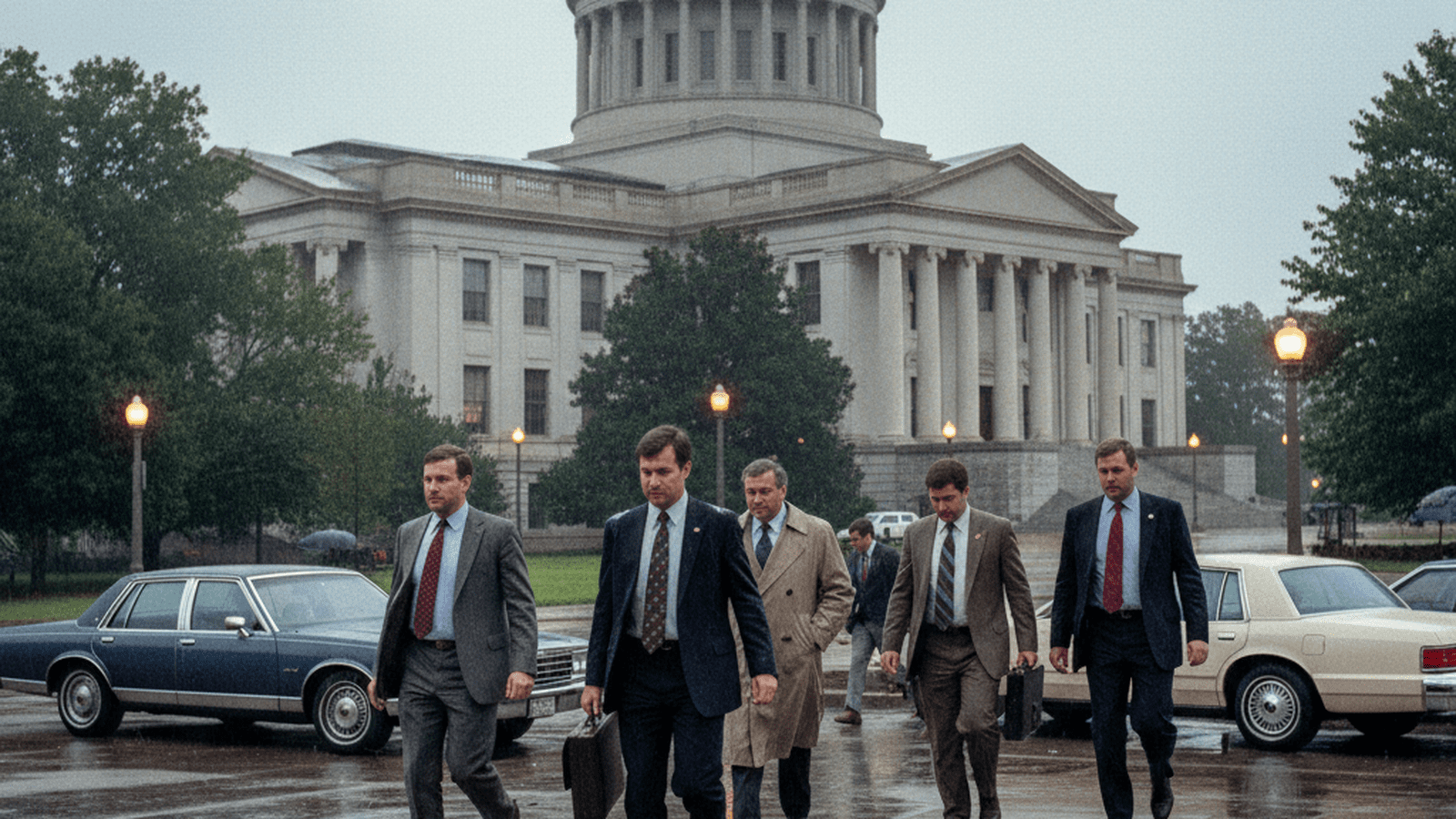
In the late 1980s, a federal investigation known as Operation Rocky Top exposed systemic corruption within the Tennessee state government. The probe revealed a web of bribery involving charity bingo licenses and led to the downfall of several high-ranking United States officials.
TLDR: Operation Rocky Top was a massive FBI sting in Tennessee that uncovered widespread bribery and illegal gambling schemes. The scandal resulted in over 50 convictions, the suicide of the Secretary of State, and a total overhaul of the state’s ethics and gaming laws to restore public integrity.
In the late 1980s, the political landscape of Tennessee was upended by a federal investigation that remains one of the most significant anti-corruption drives in United States history. Known as Operation Rocky Top, the probe was initiated by the Federal Bureau of Investigation to target illegal gambling and the sale of political influence. The investigation centered on the state’s charity bingo industry, which had become a front for large-scale commercial gambling and systemic bribery. Under Tennessee law at the time, only legitimate non-profit organizations were permitted to operate bingo games for fundraising. However, FBI agents discovered that many of these operations were shell companies controlled by professional gamblers who paid substantial bribes to state officials to secure and maintain their licenses.
The legislative environment in Nashville during this era was characterized by a network of influence that often operated with little public oversight. Legislators frequently held private meetings where the fate of gaming bills was decided based on personal relationships and financial incentives. The FBI’s undercover operation, which lasted several years, meticulously recorded these interactions. Agents found that the cost of a charity license often included thousands of dollars in kickbacks delivered in plain envelopes. This culture of impunity had persisted for years before the federal intervention brought it to a halt. The sting operation utilized undercover agents who posed as out-of-state businessmen looking to enter the Tennessee bingo market, documenting numerous instances where politicians solicited cash payments in exchange for legislative favors.
As the evidence mounted, the FBI began issuing subpoenas and conducting raids across the state. The scale of the illicit activity shocked the public and paralyzed the state government in Nashville. One of the most prominent figures caught in the investigation was Secretary of State Gentry Crowell. Crowell was a powerful political figure who had served in the position since 1977 and was considered a potential candidate for governor. In December 1989, shortly after being named as a target of the investigation and facing mounting legal pressure, Crowell died by suicide. His death cast a somber shadow over the proceedings and intensified the public demand for immediate accountability.
Public reaction to the revelations was a mixture of outrage and disillusionment. Citizens across Tennessee watched as daily headlines detailed the betrayal of the public trust by those elected to serve. The scandal prompted a surge in grassroots activism, with voters demanding a complete purging of the corrupt elements within the General Assembly. This pressure forced the hand of the remaining lawmakers, who had previously been reluctant to police their own ranks. The resulting legislative sessions were dominated by the passage of the Rocky Top reforms, which fundamentally changed how business was conducted in the state capital.
The fallout from Operation Rocky Top was extensive and transformative. More than 50 individuals, including several state legislators and high-ranking officials, were eventually convicted of various federal crimes. State Representative Tommy Burnett, a key figure in the House, was among those who served prison time. The scandal effectively dismantled the existing bingo industry in Tennessee, as the legislature moved to ban the games entirely to prevent further abuse. In the years following the investigation, Tennessee implemented a series of rigorous ethics reforms designed to restore public trust. The state established more stringent financial disclosure requirements for lobbyists and elected officials, and oversight of charitable gaming was overhauled. These measures served as a blueprint for other states grappling with institutional corruption and legislative misconduct.
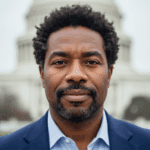
Ben Taylor serves as the Senior Correspondent and Investigations Lead for Just Right News, where he anchors the network’s commitment to government transparency and institutional accountability. With a career defined by a relentless pursuit of the facts, Taylor spearheads the acclaimed feature series “The Paper Trail,” a deep-dive investigative column that prioritizes primary source documentation over political rhetoric. Based in the heart of the nation’s capital, he has earned a reputation as one of the most formidable investigative journalists in Washington, D.C., known specifically for his mastery of public records and the Freedom of Information Act.
Taylor’s approach to journalism is deeply rooted in his upbringing in Kansas City, Missouri. Growing up in the “Show Me State,” he developed a healthy skepticism of centralized power and a profound respect for the common-sense values of the American heartland. This Midwestern foundation informs his reporting today, as he bridges the gap between the complex machinations of federal bureaucracy and the everyday concerns of citizens across the country. For Taylor, investigative reporting is not about chasing headlines; it is about ensuring that the government remains answerable to the people it serves.
As an African American man working within the conservative media landscape, Taylor brings a principled perspective to his beat. He views the Constitution and the right to information as the ultimate equalizers in a free society. His work often highlights how bureaucratic overreach and lack of transparency disproportionately affect individual liberties. By focusing on the “paper trail,” Taylor strips away the spin of partisan talking points, instead providing Just Right News readers with the raw data and internal communications that reveal how their tax dollars are spent and how policy decisions are actually made.
In his role as Investigations Lead, Taylor oversees a team dedicated to uncovering the stories that mainstream outlets often overlook. Whether he is auditing federal spending, investigating regulatory overreach, or exposing inefficiencies within the administrative state, his methodology remains consistent: follow the evidence wherever it leads. His presence in Washington, D.C., allows him to maintain a constant watch over the halls of power, yet he remains steadfastly connected to his roots, ensuring his reporting reflects the clarity and directness of his Missouri home.
Throughout his tenure at Just Right News, Taylor has become a vital voice for those who demand integrity in public office. He believes that a well-informed electorate is the strongest defense against government overreach, and he has dedicated his career to providing the public with the tools they need to hold their leaders accountable. Through “The Paper Trail” and his broader investigative work, Ben Taylor continues to set the standard for rigorous, document-driven journalism that champions the values of transparency, individual responsibility, and the rule of law.