Middle East Ceasefire Holds as Ukraine Signals Negotiating Shift
Iran halts direct military operations against Israel following U.S. pressure, while Kyiv utilizes back-channel diplomacy with Moscow to test the feasibility of a front-line freeze.
Iran halts direct military operations against Israel following U.S. pressure, while Kyiv utilizes back-channel diplomacy with Moscow to test the feasibility of a front-line freeze.
President Trump is demanding verified Iranian concessions before unfreezing assets, while North Korea’s Kim Yo Jong declares their nuclear status non-negotiable ahead of a high-stakes summit with China.
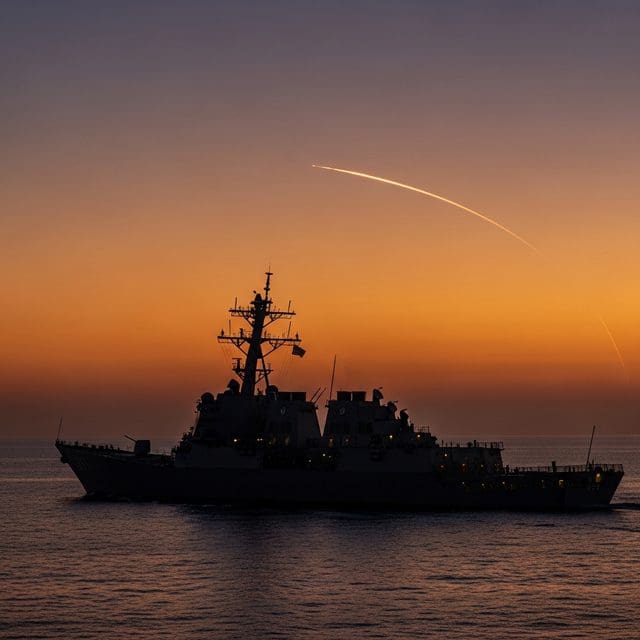
Iranian missile barrages in the Gulf and Ukrainian drone strikes on St. Petersburg challenge fragile ceasefires and test the limits of American-led mediation efforts.
Escalating military friction in the Persian Gulf forces a diplomatic reshuffle as Pakistan emerges as a key mediator and China targets NATO cyber defenses.
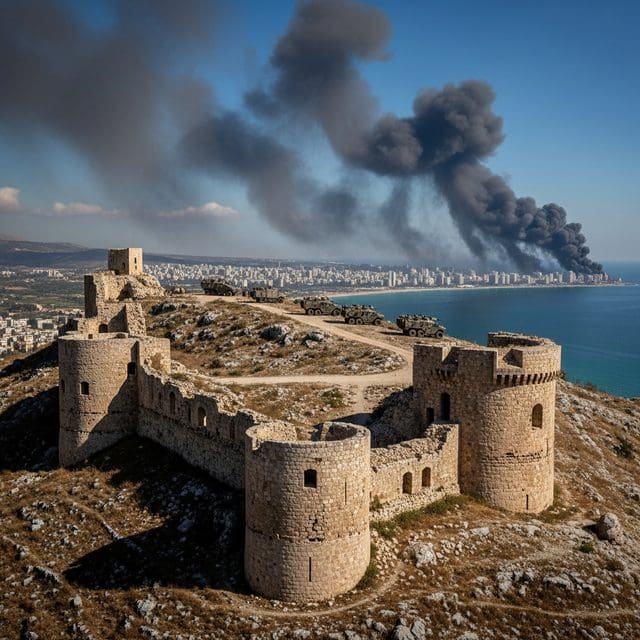
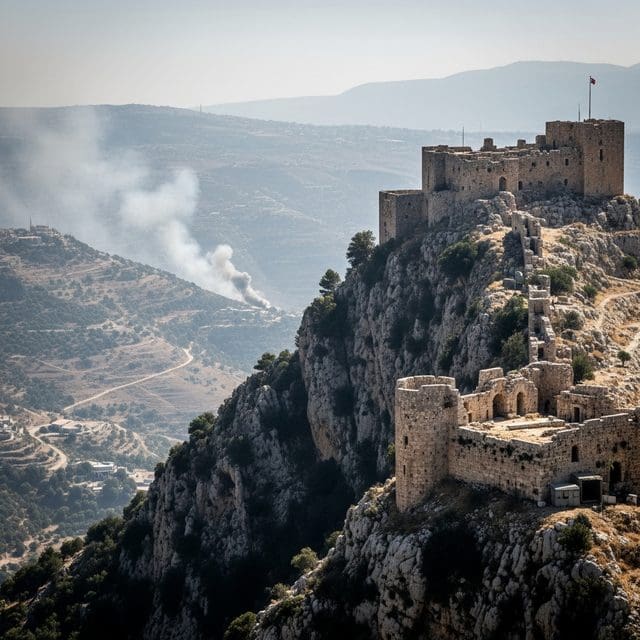
Israel expands its Lebanon ground campaign to seize Beaufort Castle while the U.S. Treasury blacklists Chinese front companies to sever the IRGC’s remaining financial lifelines.
President Trump is seeking tougher language on uranium removal and maritime security before finalizing a 60-day ceasefire memorandum with Tehran.
The IDF’s capture of a strategic fortress in southern Lebanon coincides with Tehran demanding enforceable sanctions relief in exchange for any new diplomatic settlement with Washington.
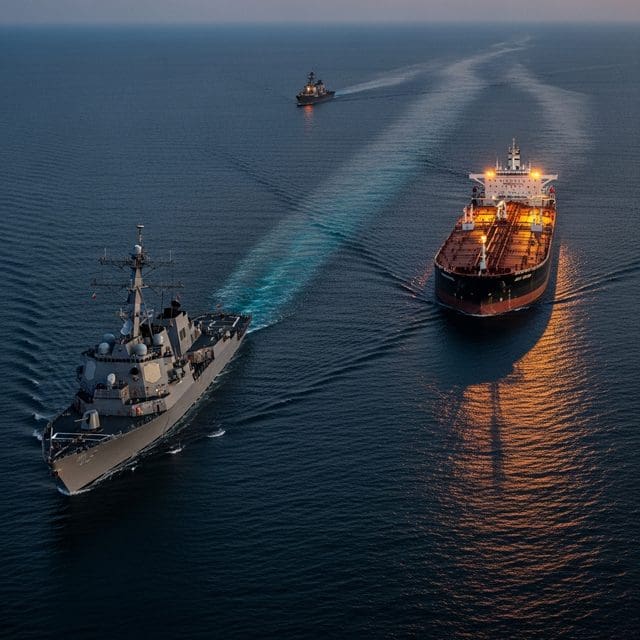
The Pentagon is sharpening its ultimatum to NATO allies while President Trump reviews a tentative 60-day maritime truce with Iran to secure the Strait of Hormuz.
Internal assessments reveal critical U.S. missile depletions as the Trump administration navigates a fragile ceasefire and complex maritime disputes in the Strait of Hormuz.