Middle East Escalation Threatens Fragile Energy Markets and Ceasefire Hopes
Crude prices surged as Israeli incursions into Lebanon and U.S. strikes on Iranian assets jeopardized a critical 60-day ceasefire memorandum.
Crude prices surged as Israeli incursions into Lebanon and U.S. strikes on Iranian assets jeopardized a critical 60-day ceasefire memorandum.
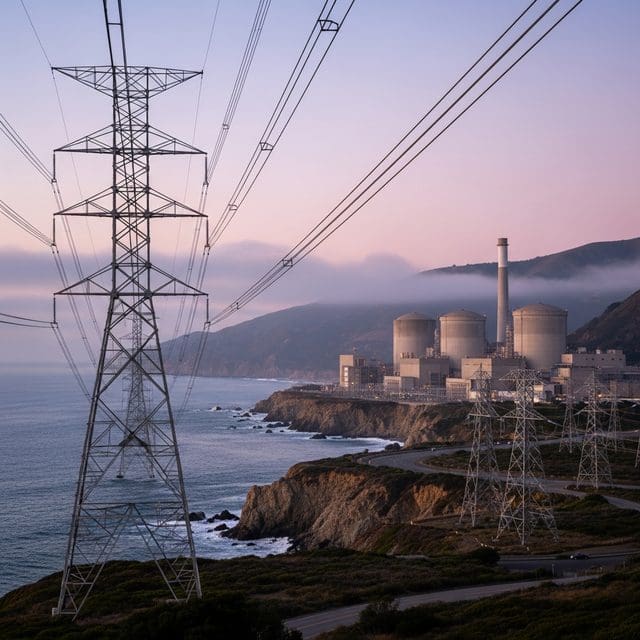
Regulatory hurdles and transmission bottlenecks are forcing California to delay offshore wind projects while relying on aging nuclear power and out-of-state imports to maintain grid reliability.
Researchers at the Texas Center for Superconductivity achieved zero electrical resistance at 151 Kelvin under normal pressure, breaking a 30-year-old record and signaling a major leap toward lossless energy transmission.
ExxonMobil and Chevron warn of a looming price spike to $160 per barrel as global oil stockpiles near historic depletion amid ongoing diplomatic and military friction in the Middle East.
State regulators and governors are pivoting toward natural gas and infrastructure transparency as surging AI power demands collide with grid reliability concerns and rising consumer utility costs.
Oil prices dropped 5% following news of a potential U.S.-Iran ceasefire, offering a glimmer of relief for global markets strained by high energy costs and supply chain instability.
A comprehensive international study has confirmed that atmospheric rivers are migrating toward the Earth's poles due to climate change. This shift threatens water security in mid-latitude regions while increasing flood…
With physical oil supplies through the Strait of Hormuz down 95%, the U.S. faces a dual challenge of record-low consumer sentiment and a looming 2008-style commodity shock.
U.S. emergency crude reserves have hit their lowest levels since 2024 as geopolitical friction and domestic supply draws rattle energy markets and consumer confidence.