Energy Markets Defy Middle East Volatility as Hormuz Risks Escalate
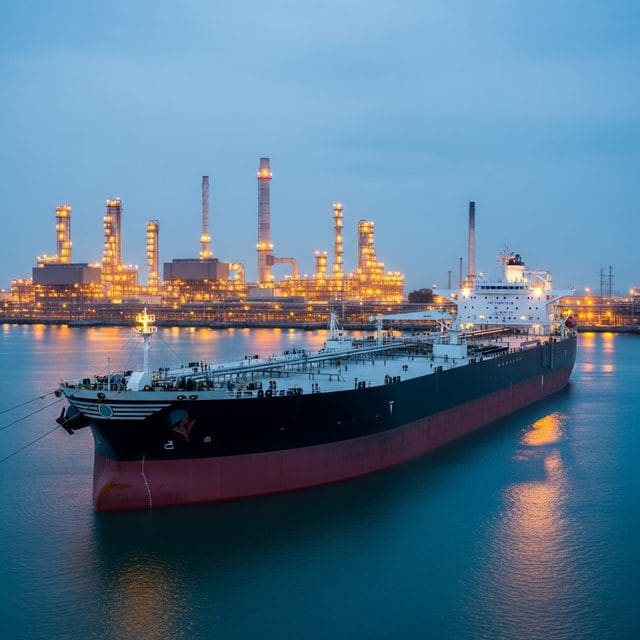
Oil prices dipped despite drone strikes in Bahrain and tanker attacks in the Strait of Hormuz, as markets balance geopolitical risk against resilient global supply chains.
Oil prices dipped despite drone strikes in Bahrain and tanker attacks in the Strait of Hormuz, as markets balance geopolitical risk against resilient global supply chains.
Technological shifts in micro-nuclear and waste-to-energy are emerging as vital hedges against geopolitical instability in the Strait of Hormuz and rising AI-driven power demand.
The rapid expansion of AI data centers is projected to consume 12% of U.S. power by 2028, driving up utility costs and forcing a massive grid overhaul.
Oil prices dipped following a diplomatic breakthrough in Switzerland as U.S. and Iranian officials established a framework for nuclear inspections and the resumption of sanctioned oil exports.
Implementation risks in the Strait of Hormuz and ongoing refinery strikes in Russia challenge global energy stability despite recent diplomatic breakthroughs and domestic nuclear progress.
Researchers at Equatic have successfully demonstrated a seawater electrolysis process that simultaneously extracts carbon dioxide and produces green hydrogen. The technology mineralizes dissolved CO2 into stable carbonates, offering a permanent…
Geopolitical de-escalation in the Middle East offers temporary relief, but long-term supply disruptions and surging AI-driven electricity demand continue to pressure global energy infrastructure and consumer costs.
A historic U.S.-Iran peace deal has sent oil prices to three-month lows while nations like Finland and India overhaul nuclear regulations to prioritize long-term energy security.
Researchers at Oak Ridge National Laboratory have successfully demonstrated a 270-kilowatt wireless charging system for electric vehicles. The technology uses polyphase electromagnetic coils to achieve high power density and 95%…