

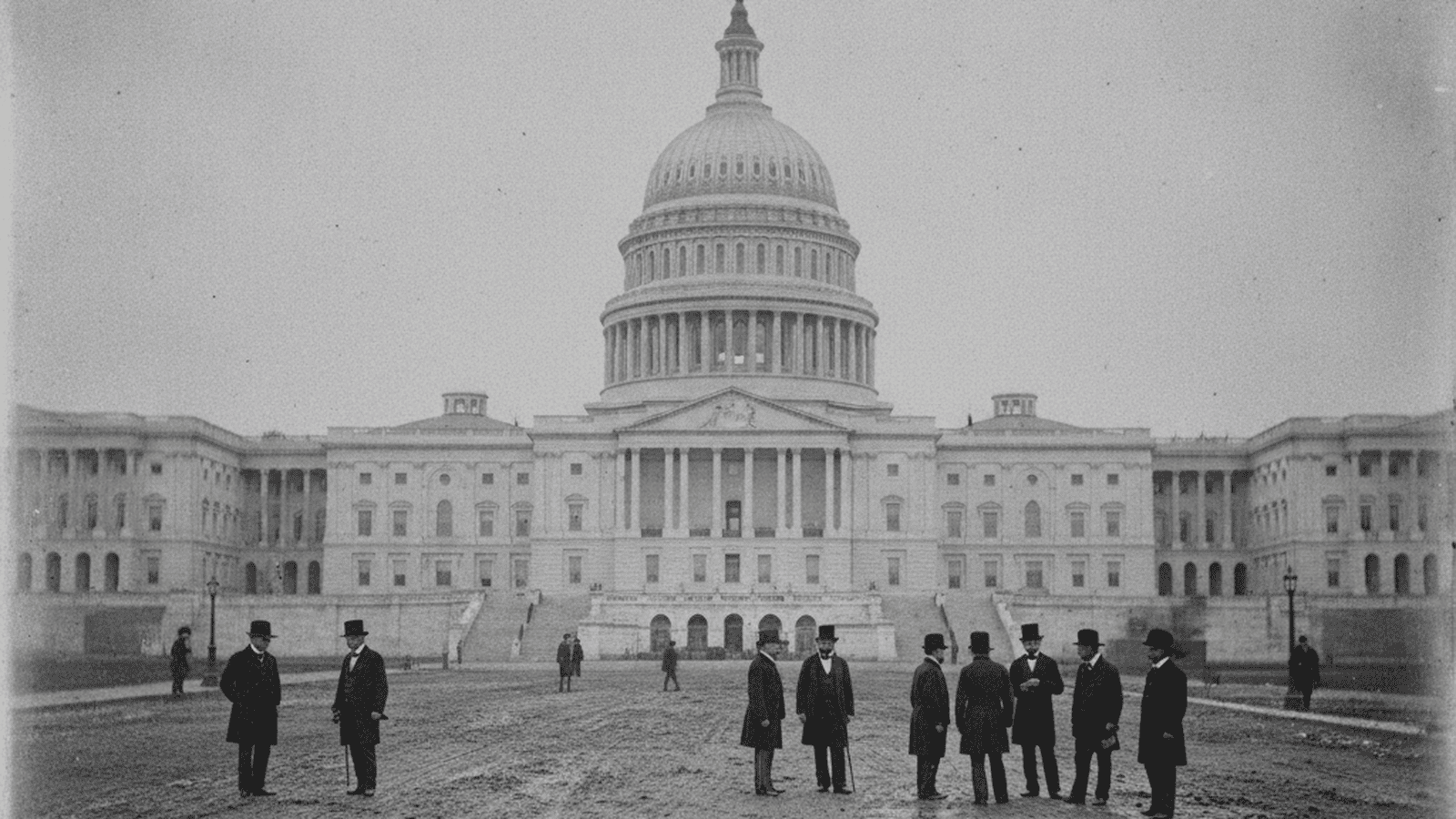
The Presidential Election Day Act of 1845 established a uniform date for choosing presidential electors across the United States. This reform aimed to eliminate voter fraud and the undue influence of early returns from states that previously voted weeks apart.
TLDR: In 1845, the United States Congress passed legislation mandating that all states hold presidential elections on the same day. This reform targeted colonization fraud and ensured that early results from one region could not unfairly sway voters in another, creating the Tuesday tradition still used today.
Before the mid-19th century, the process of electing a president in the United States was a fragmented and prolonged endeavor. Under the original 1792 law, states were permitted to conduct their presidential elections at any time within a thirty-four-day window preceding the first Wednesday in December. This decentralized approach reflected the agrarian nature of the early republic and the slow pace of communication. However, as the nation expanded and political parties became more organized, this staggered schedule became a breeding ground for systemic manipulation and fraud.
By the 1840s, the lack of a uniform election day had become a significant liability for the integrity of the democratic process. Political machines utilized the month-long voting window to engage in a practice known as colonization. Operatives would transport groups of voters across state lines to cast multiple ballots in different jurisdictions as their respective election days arrived. Furthermore, the emergence of the telegraph meant that results from early-voting states could be transmitted rapidly to states that had not yet opened their polls. This created a bandwagon effect, where voters were unfairly influenced by the perceived momentum of a particular candidate before they had even reached their own local polling places.
The push for reform culminated during the second session of the 28th Congress. Legislators recognized that the existing system allowed the will of the people to be manufactured rather than merely recorded. In December 1844, Representative Alexander Duncan of Ohio introduced a bill to establish a single day for the appointment of electors in all states. The ensuing debates focused on the logistical challenges of such a mandate. Some representatives argued that a uniform day would disenfranchise voters in remote areas who required several days to travel to county seats. Others maintained that the federal government was overstepping its bounds by dictating state election procedures.
The selection of the specific day—the Tuesday after the first Monday in November—was a calculated compromise based on the social and economic realities of the 1840s. November was chosen because the fall harvest was complete, but the severe winter weather had not yet made travel impossible. Sunday was reserved for church services, and Wednesday was typically a market day for farmers. By choosing Tuesday, Congress allowed citizens a full day of travel on Monday to reach their polling stations without violating the Sabbath. The first Monday provision ensured that the election would never fall on November 1, which was a day of religious obligation for Catholics and a common day for merchants to settle their accounts from the previous month.
President John Tyler signed the Presidential Election Day Act into law on January 23, 1845. The act mandated that the electors of President and Vice President shall be appointed in each State on the Tuesday next after the first Monday in the month of November of the year in which they are to be appointed. While the law initially applied only to presidential elections, its logic eventually extended to congressional contests as well. The 1848 election, which saw the victory of Whig candidate Zachary Taylor, served as the inaugural test of this synchronized system.
The implementation of a uniform election day successfully curtailed the most egregious forms of interstate voter fraud and stabilized the national political climate. It transformed the election from a series of local skirmishes into a singular national event, fostering a greater sense of collective participation. In the decades following the Civil War, Congress further refined these rules to include the election of Representatives and Senators. Modern discussions regarding early voting, mail-in ballots, and making Election Day a federal holiday continue to reference the 1845 Act as the definitive moment when the United States moved toward a standardized electoral infrastructure.

Sophie Carter serves as a Staff Writer for Just Right News, where she anchors the outlet’s critical coverage of Elections, Influence, and Democracy Infrastructure. In an era where the mechanics of voting and the flow of political capital are under constant scrutiny, Sophie provides a steady, principled voice dedicated to the preservation of American institutional integrity and the rule of law.
Raised in Charlotte, North Carolina, Sophie’s perspective was forged in a community that balances rapid modern growth with a deep respect for tradition and civic duty. Growing up in the Queen City, she witnessed firsthand how a robust local culture depends on the trust between the citizen and the state. This upbringing instilled in her a foundational belief that the right to vote is a sacred trust—one that must be protected from both administrative overreach and the encroaching influence of special interest groups. Her reporting reflects these North Carolina roots, emphasizing the importance of community-led governance and the preservation of the individual’s voice in the face of nationalized political movements.
Now based in Atlanta, Georgia, Sophie operates from the heart of one of the nation’s most pivotal and contested political landscapes. Her location allows her to report from the front lines of the debate over election security, legislative reform, and the modernization of voting systems. For Sophie, the “infrastructure” of democracy is not merely a matter of machines and ballots; it is the collection of laws, people, and transparent processes required to maintain public confidence. Her work often highlights the necessity of clear, enforceable standards that ensure every legal vote is counted fairly and that the machinery of our republic remains accountable to the taxpayers who fund it.
Central to her work at Just Right News is her acclaimed feature series, “The Price of a Vote.” Through this ongoing project, Sophie explores the complex web of influence that shapes modern campaigns and policy decisions. She delves into how high-level lobbying, non-governmental organizations, and shifting bureaucratic regulations impact the weight of an individual citizen’s ballot. By examining the financial and structural pressures placed on the electoral process, she provides readers with a comprehensive look at the forces vying for control over the American political system.
Sophie’s approach to journalism is rooted in a commitment to the constitutional framework. She views her role as a watchdog for the voter, ensuring that the systems meant to serve the public remain transparent and free from corruption. Whether she is analyzing the implementation of new voting technologies or investigating the influence of outside money on state-level policy, her work is characterized by a rigorous adherence to facts and a refusal to succumb to the sensationalism that often plagues modern political reporting.
At Just Right News, Sophie Carter continues to be a vital resource for readers who value clarity, conviction, and a defense of traditional American values. Her deep ties to the Southeast and her specialized focus on the mechanics of our republic make her an essential voice in the ongoing conversation about the future of American self-governance. Through her reporting, she remains dedicated to the idea that a secure and honest electoral system is the bedrock of a free and prosperous society.