

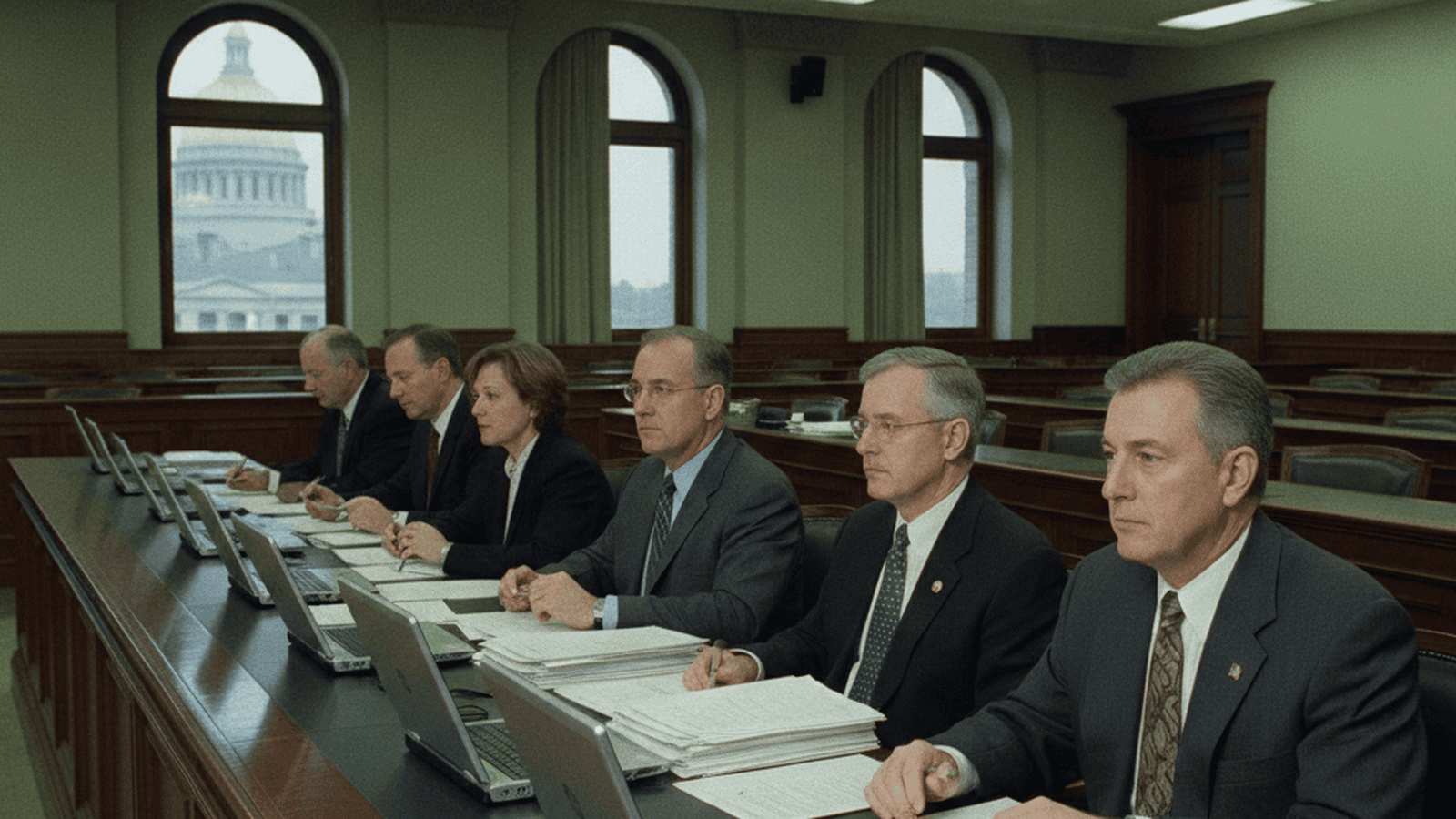
In 2005, New Jersey launched a pilot program for the public financing of legislative elections to reduce the influence of large donors. The initiative, known as the Clean Elections program, was tested in two districts before being expanded and eventually discontinued in the United States.
TLDR: New Jersey implemented a Clean Elections pilot program in 2005 to curb political corruption through public financing. While the experiment aimed to empower small donors in the United States, it faced logistical hurdles and legal scrutiny, ultimately serving as a case study for future campaign finance reform efforts.
In the early 2000s, the political landscape of New Jersey was frequently overshadowed by a series of high-profile corruption scandals that eroded public trust in state governance. To address the pervasive pay-to-play culture, where government contracts were often perceived as rewards for political contributions, the state legislature sought a radical shift in campaign finance. In 2004, the state government moved to implement the New Jersey Fair and Clean Elections Pilot Project Act, setting the stage for a landmark experiment in the 2005 legislative elections.
The 2005 pilot program was designed to test the viability of public financing for candidates running for the New Jersey General Assembly. Two legislative districts were selected for the trial: the 6th District, covering parts of Camden and Burlington counties, and the 13th District, spanning portions of Middlesex and Monmouth counties. These districts were chosen to represent different political environments, with one being a safe seat for the incumbent party and the other being more competitive. The goal was to determine if public money could effectively replace the influence of large private donors.
To qualify for public funding, candidates had to demonstrate broad grassroots support by collecting a specific number of qualifying contributions. In 2005, this required gathering at least 1,500 contributions of exactly five or ten dollars from registered voters within their district. Once a candidate met this threshold and agreed to forgo all private fundraising, they received a substantial grant from the state to fund their primary and general election campaigns. This mechanism aimed to shift the focus of candidates from wealthy donors to the concerns of ordinary constituents.
The results of the 2005 pilot were a mixture of success and logistical frustration. In the 6th District, all four major-party candidates for the Assembly qualified for and used public funds. Proponents noted that the program encouraged candidates to spend more time door-knocking and engaging with voters who had never previously contributed to a campaign. However, critics pointed to the administrative burden placed on the New Jersey Election Law Enforcement Commission, which had to verify thousands of small-dollar receipts in a very short timeframe.
Legal challenges also loomed over the initiative. Opponents argued that public financing schemes could infringe upon the First Amendment rights of candidates who chose not to participate, particularly regarding the potential for matching funds that provided extra money to clean candidates when their opponents outspent them. While the 2005 pilot did not include the most controversial matching fund triggers found in other states, the debate over the constitutionality of using taxpayer money for political speech remained a central point of contention in the United States.
Despite the hurdles, the legislature viewed the 2005 experiment as promising enough to expand. In 2007, the program was enlarged to include three legislative districts and both Senate and Assembly seats. However, the expansion revealed deeper systemic issues, including the difficulty of competing against well-funded independent expenditure groups that were not bound by the program’s spending limits. The high cost of the grants during a period of tightening state budgets further dampened political enthusiasm for a permanent statewide rollout.
By the end of the decade, the Clean Elections program was allowed to lapse. The New Jersey experiment provided critical data for the national conversation on election reform, illustrating that while public financing could diversify the donor pool, it struggled to fully insulate elections from the influence of outside spending. Subsequent reforms in New Jersey shifted toward stricter pay-to-play bans and enhanced disclosure requirements, reflecting a transition from public funding to more aggressive regulation of private contributions.

Sophie Carter serves as a Staff Writer for Just Right News, where she anchors the outlet’s critical coverage of Elections, Influence, and Democracy Infrastructure. In an era where the mechanics of voting and the flow of political capital are under constant scrutiny, Sophie provides a steady, principled voice dedicated to the preservation of American institutional integrity and the rule of law.
Raised in Charlotte, North Carolina, Sophie’s perspective was forged in a community that balances rapid modern growth with a deep respect for tradition and civic duty. Growing up in the Queen City, she witnessed firsthand how a robust local culture depends on the trust between the citizen and the state. This upbringing instilled in her a foundational belief that the right to vote is a sacred trust—one that must be protected from both administrative overreach and the encroaching influence of special interest groups. Her reporting reflects these North Carolina roots, emphasizing the importance of community-led governance and the preservation of the individual’s voice in the face of nationalized political movements.
Now based in Atlanta, Georgia, Sophie operates from the heart of one of the nation’s most pivotal and contested political landscapes. Her location allows her to report from the front lines of the debate over election security, legislative reform, and the modernization of voting systems. For Sophie, the “infrastructure” of democracy is not merely a matter of machines and ballots; it is the collection of laws, people, and transparent processes required to maintain public confidence. Her work often highlights the necessity of clear, enforceable standards that ensure every legal vote is counted fairly and that the machinery of our republic remains accountable to the taxpayers who fund it.
Central to her work at Just Right News is her acclaimed feature series, “The Price of a Vote.” Through this ongoing project, Sophie explores the complex web of influence that shapes modern campaigns and policy decisions. She delves into how high-level lobbying, non-governmental organizations, and shifting bureaucratic regulations impact the weight of an individual citizen’s ballot. By examining the financial and structural pressures placed on the electoral process, she provides readers with a comprehensive look at the forces vying for control over the American political system.
Sophie’s approach to journalism is rooted in a commitment to the constitutional framework. She views her role as a watchdog for the voter, ensuring that the systems meant to serve the public remain transparent and free from corruption. Whether she is analyzing the implementation of new voting technologies or investigating the influence of outside money on state-level policy, her work is characterized by a rigorous adherence to facts and a refusal to succumb to the sensationalism that often plagues modern political reporting.
At Just Right News, Sophie Carter continues to be a vital resource for readers who value clarity, conviction, and a defense of traditional American values. Her deep ties to the Southeast and her specialized focus on the mechanics of our republic make her an essential voice in the ongoing conversation about the future of American self-governance. Through her reporting, she remains dedicated to the idea that a secure and honest electoral system is the bedrock of a free and prosperous society.