

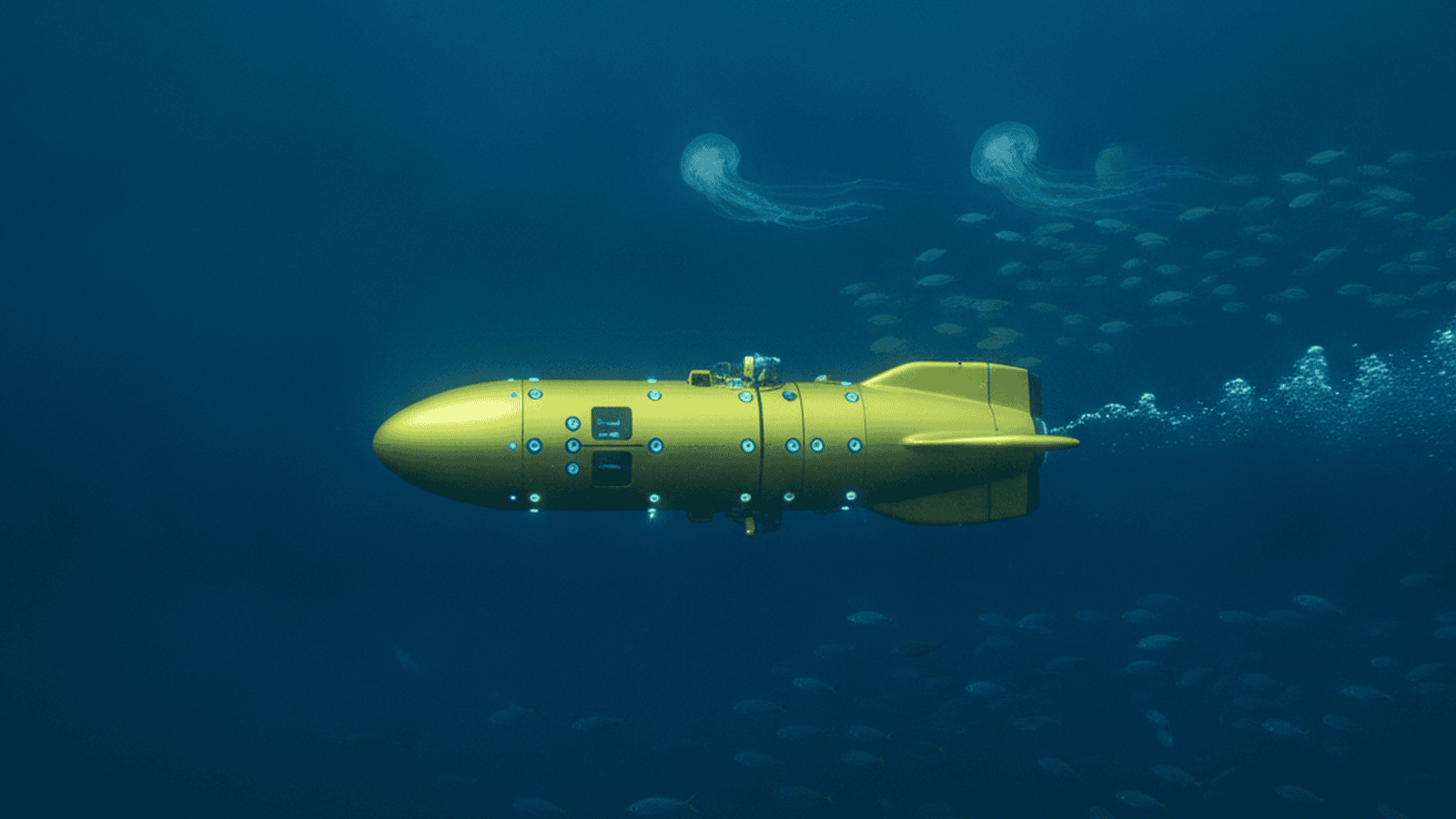
Researchers at a private oceanographic institute have successfully integrated genetic sampling technology into autonomous underwater drones. This allows for the continuous monitoring of marine life through environmental DNA (eDNA) without the need for research vessels, providing a new window into the biodiversity of the deep ocean.
TLDR: A breakthrough in autonomous oceanography allows underwater drones to “smell” the genetic signatures of marine life. By processing seawater samples internally, these vehicles map biodiversity across vast distances, providing a high-resolution view of ecosystem health in the deep ocean’s most inaccessible regions, revolutionizing how we monitor marine conservation.
The ocean’s mesopelagic zone, often called the “twilight zone,” remains one of the least understood ecosystems on Earth. Stretching from 200 to 1,000 meters deep, this region is home to a vast biomass that plays a critical role in the global carbon cycle. However, traditional study methods—relying on massive research vessels and physical trawl nets—are prohibitively expensive and often fail to capture the full scope of biodiversity. Fragile organisms often disintegrate in nets, while faster species evade capture. To bridge this gap, engineers and biologists at the Monterey Bay Aquarium Research Institute (MBARI) have miniaturized a molecular biology laboratory and integrated it into robotic submarines, representing a shift toward high-tech, autonomous solutions for deep-sea monitoring.
This system, known as the 3rd-generation Environmental Sample Processor (3G ESP), allows for the collection and analysis of environmental DNA (eDNA). As marine animals move through the water, they leave behind genetic traces in the form of skin cells, waste, and mucus. By filtering these microscopic fragments from seawater, the autonomous vehicle can identify which species have recently passed through an area. The 3G ESP functions as a “lab-in-a-can,” containing a complex array of pumps, filters, and preservation chemicals that allow it to operate for months at a time without human intervention. This internal mechanism is a marvel of engineering, designed to survive the crushing pressures and corrosive environment of the deep ocean.
The technology is integrated into a Long-Range Autonomous Underwater Vehicle (LRAUV). Unlike previous versions that were stationary, the LRAUV can travel for weeks, covering hundreds of kilometers. This mobility transforms eDNA sampling from a static observation into a dynamic mapping tool. The vehicle can dive to depths of 1,000 meters, navigating complex thermal layers to find biologically active regions. It uses sophisticated software to decide when and where to take samples, often targeting specific temperature gradients or chlorophyll concentrations that indicate high biodiversity. This “targeted sampling” ensures that the most valuable data is collected efficiently without wasting limited onboard resources.
During recent deployments off the coast of California, the autonomous system successfully detected a wide array of marine life, from microscopic plankton to massive blue whales. The data collected provided a high-resolution map of how different species distribute themselves in response to changing water temperatures and nutrient levels. This level of detail was previously impossible to achieve without a constant human presence at sea. The drones identified the presence of rare deep-sea sharks and elusive cephalopods that are rarely caught in traditional survey nets, proving the sensitivity of the genetic approach and its ability to provide a more comprehensive census of marine life.
The private-sector nature of the development team allowed for rapid prototyping and iterative testing. By operating outside the typical constraints of federal grant cycles, the institute focused on the engineering challenge of making sensitive genetic equipment robust enough for the open ocean. The resulting system provides a cost-effective alternative to traditional oceanographic cruises, which is critical for scaling up ocean observations to a global level.
One of the most significant advantages of this autonomous approach is its non-invasive nature. Traditional trawling can damage delicate ecosystems and kill the very animals researchers seek to study. In contrast, eDNA sampling provides a “snapshot” of the community without disturbing the inhabitants. This is particularly crucial for monitoring endangered species or sensitive habitats. As climate change shifts marine species ranges, real-time data is needed to adjust fishing quotas and protected area boundaries. Future research will focus on on-board sequencing capabilities, allowing drones to sequence DNA in situ and transmit results via satellite, providing a near-real-time genetic pulse of the global ocean.

Mason Reed serves as a Staff Writer for Just Right News, where he spearheads the Future Frontiers & Special Projects desk. In an era defined by rapid technological shifts and evolving social landscapes, Mason provides a steady, principled voice, examining the innovations of tomorrow through the lens of traditional American values. His work is most prominently featured in his signature series, “The Next Horizon,” where he explores the intersection of emerging technology, national sovereignty, and the preservation of individual liberty.
A native of San Diego, California, Mason’s worldview was shaped by the unique culture of his hometown. Growing up in a region defined by its strong military presence and its history of maritime industry, he developed a deep-seated respect for the institutions that provide national stability and the entrepreneurial spirit that drives the American economy. This upbringing instilled in him a belief that true progress is not found in discarding the past, but in building upon a foundation of proven principles. His reporting often reflects this San Diego influence, emphasizing the importance of a robust national defense and the necessity of maintaining a competitive edge in the global marketplace.
Now based in San Francisco, Mason operates from the heart of the world’s technological engine. Living and working in the Bay Area provides him with a front-row seat to the advancements—and the ideological challenges—emanating from Silicon Valley. While many in the region embrace a “move fast and break things” mentality, Mason’s reporting serves as a vital counterweight. He offers Just Right News readers a “boots on the ground” perspective, documenting how radical local policies and the concentration of tech power impact the everyday lives of citizens. His proximity to the industry allows him to cut through the marketing jargon of big tech to uncover the real-world implications for privacy, free speech, and the nuclear family.
In his “Future Frontiers” beat, Mason tackles complex subjects ranging from the ethics of artificial intelligence to the burgeoning private space race. He approaches these topics with a healthy skepticism toward centralized bureaucracy, championing instead the decentralized innovations that empower individuals. Through “The Next Horizon,” he highlights the pioneers and thinkers who are working to ensure that the future remains a place where human dignity and constitutional rights are protected. He believes that the rapid pace of change requires more than just technical expertise; it requires a moral compass rooted in the Western tradition.
Throughout his tenure at Just Right News, Mason has remained committed to the idea that the future is something to be shaped, not merely accepted. His writing is characterized by a rigorous defense of American exceptionalism and a belief that the country’s best days lie ahead, provided it remains true to its founding ideals. Whether he is investigating the impact of automation on the American workforce or profiling the next generation of aerospace engineers, Mason Reed ensures that his readers are equipped with the insights they need to navigate a changing world with confidence and clarity.