

Federal agencies are pivoting toward agricultural scrutiny and state-level cooperation as courts roll back administrative overhauls of the merger review process.
The American antitrust landscape is undergoing a strategic realignment as federal agencies pivot toward a policy of “America First Antitrust.” This shift emphasizes the rapid clearance of non-problematic deals while reviving structural remedies and intensifying scrutiny on sectors vital to national security, specifically the domestic food supply. By prioritizing market integrity over administrative process, the DOJ and FTC are signaling a return to pragmatic oversight of corporate power.
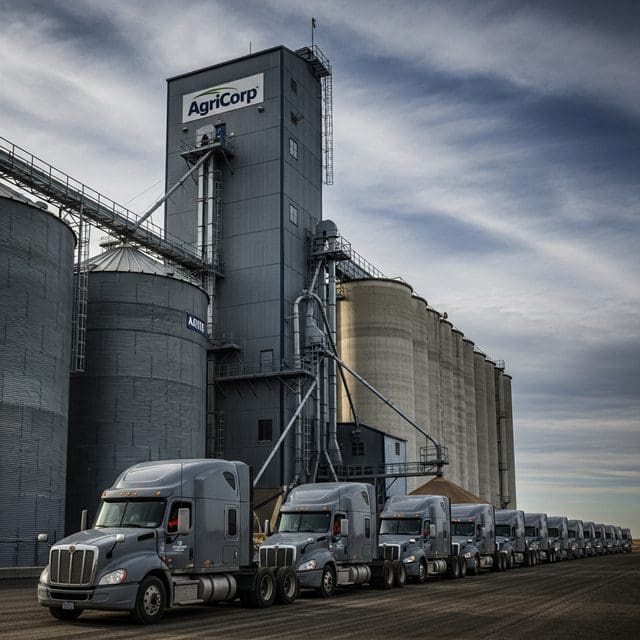
Regulators have been directed to investigate anti-competitive conduct within the agricultural sector, specifically targeting meatpacking and agricultural inputs. Decades of consolidation have left independent farmers and consumers vulnerable to the pricing power of dominant players. By framing these investigations through the lens of national security, regulators are signaling that market concentration in the heartland is a matter of sovereign stability. This scrutiny aims to ensure essential links in the food chain are not controlled by monopolies that could jeopardize domestic supply.
In a departure from previous aggressive litigation, the current administration favors a remedy-first approach to vertical mergers. The DOJ recently cleared the Google/Wiz transaction based on commitments regarding supply and data access rather than seeking a courtroom block. This pragmatic shift suggests a preference for enforceable conduct agreements that preserve market entry for smaller competitors. It reflects a belief that competition can be preserved through targeted structural requirements rather than total prohibition, provided those requirements are strictly monitored.
However, the agencies face judicial headwinds. The U.S. District Court for the Eastern District of Texas recently vacated the FTC’s 2024 overhaul of the Hart-Scott-Rodino (HSR) premerger notification form. As of February 19, 2026, practitioners have reverted to prior HSR procedures. This judicial check limits the data agencies can demand upfront, potentially slowing the discovery of anti-competitive red flags. This setback forces agencies to rely more heavily on traditional investigative tools and public tips to identify problematic mergers before they close.
To compensate for federal limitations, a new front of enforcement is opening at the state level. Washington, Colorado, Minnesota, and New Jersey have established dedicated antitrust units and enacted “mini-HSR” laws. These initiatives ensure that even if federal oversight is restricted by court rulings, local regulators retain authority to review the impact of mergers on regional economies and labor markets. This decentralized approach creates a multi-layered defense, ensuring corporate giants answer to local interests as well as federal mandates.
Labor remains a central pillar of the antitrust agenda, though methods have shifted. Following the abandonment of a broad non-compete ban, the FTC has transitioned to case-by-case enforcement. The agency recently issued warning letters to major healthcare employers regarding restrictive employment agreements, signaling that the exploitation of workers through coercive contracts remains a priority. Furthermore, the DOJ and FTC are seeking public comment on new guidance for pro-competitive collaborations, with submissions due by April 24, 2026. This indicates that while agencies remain skeptical of monopolies, they are open to innovation alliances that benefit the consumer. As the regulatory environment evolves, unchecked corporate consolidation faces a more localized and structurally focused resistance.

Greg Sanders serves as the Senior Correspondent for Corporate Power and Antitrust at Just Right News, where he brings a principled, conservative perspective to the complex intersection of big business, government regulation, and the American consumer. With a career dedicated to investigative depth and economic clarity, Greg has become a leading voice in examining how the consolidation of industry power impacts the foundational values of the free market and individual liberty.
Raised in Denver, Colorado, Greg’s reporting is deeply informed by the Western spirit of independence and a healthy skepticism of centralized authority. Growing up in the shadows of the Rockies, he witnessed firsthand the importance of local entrepreneurship and the vital role that small-medium enterprises play in sustaining vibrant communities. This upbringing instilled in him a belief that the American Dream is best preserved when the playing field remains level and when competition—rather than backroom deals between corporate lobbyists and federal regulators—dictates success. For Greg, the rugged individualism of his home state serves as a constant reminder that the economy should serve the people, not the other way around.
Now based in Chicago, Illinois, Greg operates from the heart of the nation’s industrial and financial crossroads. His location in the Midwest provides him with a unique vantage point to observe the real-world consequences of corporate overreach. From the boardrooms of the Loop to the manufacturing hubs that define the region, he tracks the movement of capital and the shifting tides of market influence. Chicago’s history as a center of trade and labor offers a rich backdrop for his work, allowing him to bridge the gap between high-level economic theory and the lived experiences of hardworking Americans who feel the squeeze of monopolistic practices.
At Just Right News, Greg’s beat focuses on the “new monopolies” and the rise of “woke” corporate culture. He argues that when corporations become too large, they often abandon their fiduciary duties to shareholders in favor of social engineering and political posturing. His reporting seeks to hold these “Titans” accountable, ensuring that the power of the purse is not used to silence dissent or bypass the democratic process. He is a firm advocate for the idea that true conservatism requires a vigilant defense of competition, preventing any single entity—public or private—from exerting undue control over the lives of citizens.
This mission is most clearly seen in his acclaimed feature series, “The Titans and the Toll.” In this ongoing project, Greg explores the human cost of market consolidation, from the erosion of consumer choice to the decline of local economies. Through rigorous analysis and boots-on-the-ground reporting, he documents how the concentration of power in sectors like tech, agriculture, and finance creates a “toll” paid by the average family.
Greg Sanders remains committed to the idea that a transparent, competitive market is the greatest engine for prosperity ever devised. Through his work at Just Right News, he continues to provide the essential oversight necessary to protect that engine from the encroaching influence of corporate giants and the bureaucratic structures that enable them.