

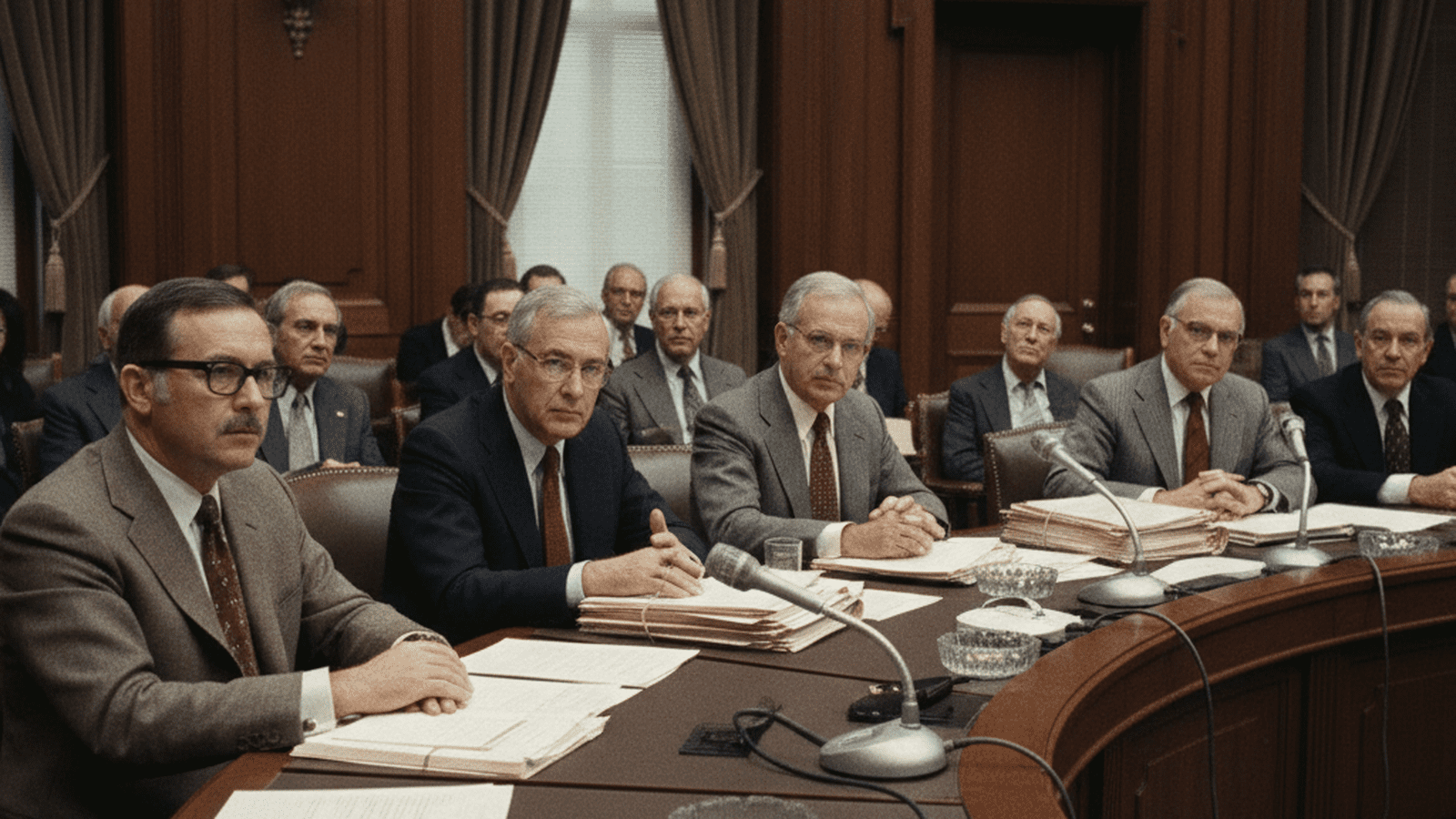
In 1979, the United States Congress passed amendments to the Federal Election Campaign Act that unintentionally created the soft money loophole. These changes allowed political parties to raise and spend unlimited funds for grassroots activities, fundamentally altering the landscape of U.S. election financing.
TLDR: Following the restrictive post-Watergate reforms, the 1979 FECA Amendments sought to revitalize political parties by allowing unlimited soft money for party-building. This loophole eventually dominated U.S. elections, leading to massive unregulated spending and necessitating further legislative interventions like the 2002 McCain-Feingold Act.
The aftermath of the Watergate scandal prompted a wave of legislative efforts to restore public trust in the United States government. Central to this movement was the Federal Election Campaign Act (FECA) of 1971 and its 1974 amendments, which established strict limits on individual contributions, mandated public disclosure, and created the Federal Election Commission (FEC). However, by the late 1970s, a consensus emerged among political observers, academics, and party officials that these reforms had inadvertently “pauperized” the national political parties. Critics argued that the new restrictions made it prohibitively difficult for parties to fund basic organizational activities, such as voter registration drives, local headquarters operations, and the distribution of traditional campaign materials like buttons and bumper stickers.
In response to these concerns, the United States Congress moved to adjust the regulatory framework to ensure that parties remained viable institutions in the democratic process. The 1979 FECA Amendments were designed as a corrective measure to revitalize the role of political parties at the grassroots level. The legislation permitted state and local party committees to raise and spend unlimited amounts of money on specific “party-building” activities. These activities included the printing of slate cards, brochures, and the execution of massive get-out-the-vote (GOTV) campaigns. Crucially, the law specified that these funds could be used as long as they did not specifically advocate for the election or defeat of a particular federal candidate, creating a distinction between “hard money” (regulated) and what would become known as “soft money” (unregulated).
The political climate in Washington, D.C., during the administration of President Jimmy Carter favored these adjustments. Both Democrats and Republicans believed that a stronger party infrastructure would lead to higher voter turnout and more robust civic engagement. The amendments passed with broad bipartisan support and were signed into law by President Carter. At the time, few legislators anticipated that this administrative tweak, intended to encourage local volunteerism, would eventually dismantle the very contribution limits they had established just years earlier.
The real transformation occurred through subsequent administrative rulings by the FEC. Throughout the 1980s, the commission issued several advisory opinions that significantly expanded the definition of party-building. A pivotal 1978 ruling had already suggested that parties could use a mix of federal and non-federal funds for activities that benefited both state and federal candidates. Following the 1979 amendments, the FEC allowed national party committees to raise soft money from sources otherwise prohibited—such as corporations and labor unions—and in amounts exceeding individual limits. These funds were then transferred to state affiliates to be spent on “issue advocacy.”
By the 1990s, soft money had become the primary vehicle for financing expensive television advertising campaigns. During the 1996 and 2000 election cycles, the explosion of soft money fundamentally altered the dynamics of United States elections. National parties became massive fundraising machines, courting wealthy donors for six-figure contributions that would have been illegal under the original FECA guidelines. The distinction between party-building and candidate advocacy became increasingly blurred, as parties used soft money to run ads that were virtually indistinguishable from campaign commercials, avoiding “magic words” like “vote for” or “elect” to maintain their unregulated status.
The legacy of the 1979 amendments eventually led to a new cycle of reform. Public outcry over the perceived corruption of the soft money system culminated in the Bipartisan Campaign Reform Act (BCRA) of 2002, commonly known as the McCain-Feingold Act. This legislation sought to ban soft money contributions to national political parties and restrict the use of corporate and union funds for “electioneering communications.” While the 1979 amendments were intended to empower grassroots democracy, they serve as a historical reminder of how legislative intentions can be subverted by the evolving strategies of political finance. Subsequent Supreme Court decisions, such as Citizens United, have continued to reshape this landscape, ensuring that the debate over money in politics remains a central feature of the nation’s constitutional discourse.

Julie Harris serves as a Staff Writer for Just Right News, where she tackles some of the most pressing and complex issues facing the nation today. As the lead reporter for the Migration, Demographics & Cultural Shifts beat, Julie provides a grounded, principled perspective on how the movement of people and the changing makeup of communities are reshaping the American landscape. Her work is defined by a commitment to exploring the long-term consequences of social change, prioritizing the stability of local institutions and the preservation of national identity.
Her deep understanding of these issues is rooted in her upbringing in Tucson, Arizona. Growing up in a prominent border state, Julie witnessed firsthand the intricate realities of migration and the profound impact it has on local infrastructure, law enforcement, and the social fabric. This early exposure instilled in her a respect for the rule of law and a keen awareness of the challenges that arise when federal policies fail to align with the needs of border communities. Her reporting often reflects this lived experience, bringing a necessary level of nuance to topics that are often treated with abstraction in coastal newsrooms.
Now based in Santa Fe, New Mexico, Julie continues to report from the heart of the American Southwest. Her location provides a unique vantage point to observe the intersection of traditional regional cultures and the modern shifts brought about by both internal and external migration. In Santa Fe, a city defined by its rich history and distinct cultural heritage, she finds a perfect environment to explore how communities strive to maintain their character while navigating the pressures of a rapidly changing world. This perspective allows her to bridge the gap between policy debates in Washington and the reality of life in the high desert.
At Just Right News, Julie’s work is characterized by a dedication to examining the data and the human stories that define the “New Mosaic” of America. Her signature feature series, “The New Mosaic,” has become a cornerstone of her reporting. Through this series, Julie explores the evolving social architecture of the United States, documenting how shifts in population affect everything from local economies to the political landscape. She brings a critical eye to the narrative of demographic inevitability, instead asking how these shifts impact the average citizen’s sense of belonging and the integrity of the American social contract.
Julie’s background and her dedication to conservative principles make her a vital voice in contemporary journalism. She understands that demographics are more than just numbers on a spreadsheet; they represent the future of the American family and the nation’s enduring legacy. Through her diligent reporting and insightful analysis, Julie Harris ensures that her readers are informed about the forces shaping their world, providing a perspective that is as thoughtful as it is necessary for the modern era.