

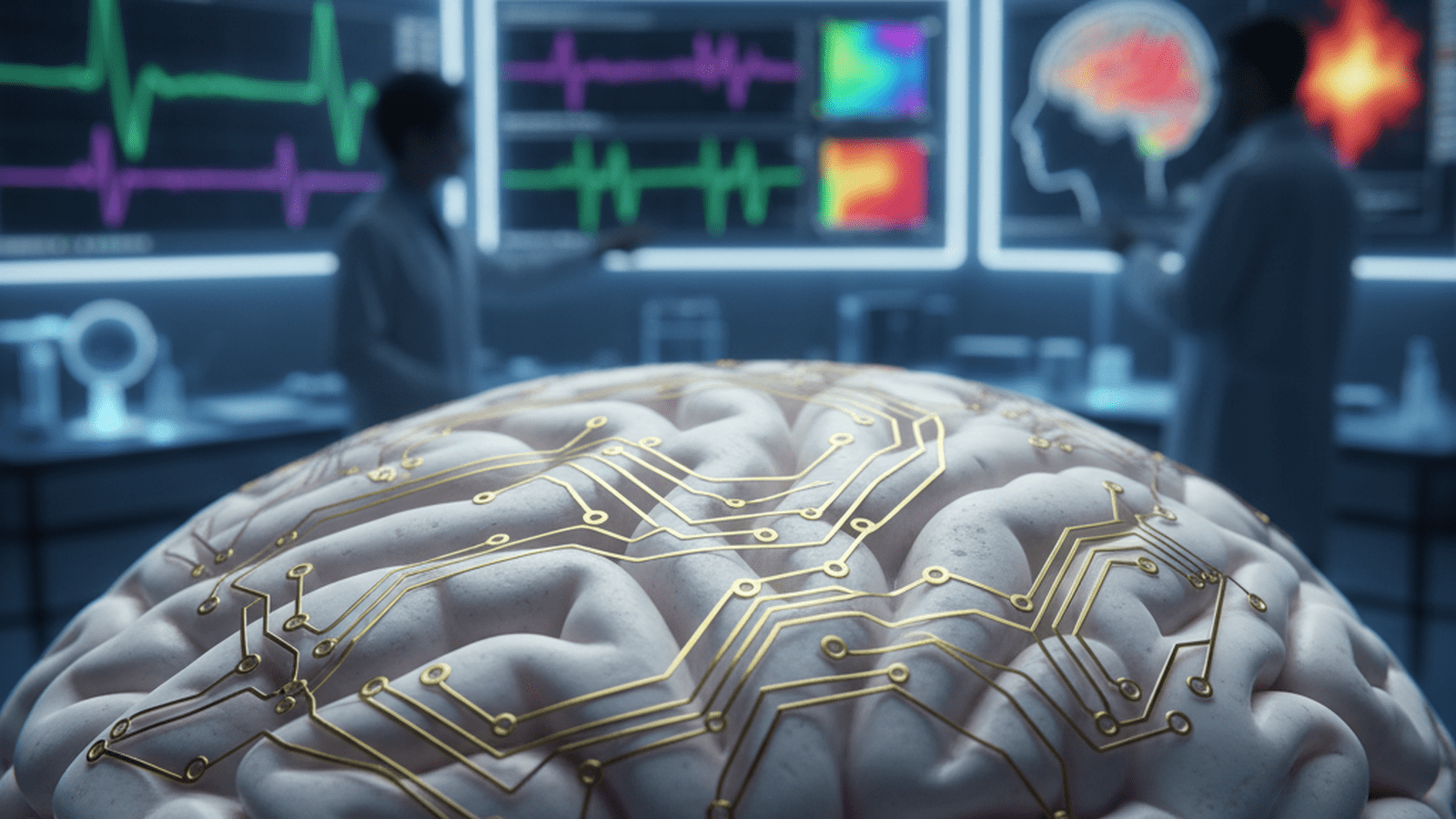
Precision Neuroscience has successfully demonstrated a high-resolution cortical interface capable of mapping brain activity without penetrating neural tissue. The Layer 7 array uses over 1,000 electrodes to capture detailed motor signals, offering a safer and more precise alternative to traditional brain-computer interfaces.
TLDR: Researchers at Precision Neuroscience have developed a thin-film electrode array that maps the human brain at record-breaking resolution. By sitting on the cortical surface rather than piercing it, the device captures high-density neural data while minimizing tissue damage, paving the way for advanced treatments for paralysis and neurological disorders.
Precision Neuroscience, a pioneering neurotechnology firm co-founded by a lead developer of Neuralink, has achieved a significant milestone in the evolution of brain-computer interfaces (BCIs) by mapping human brain activity at an unprecedented resolution. The company’s proprietary “Layer 7” cortical interface represents a fundamental shift in how medical devices interact with the central nervous system. Unlike traditional invasive systems that rely on penetrating needle-like electrodes—which can cause inflammation, long-term scarring, and the eventual degradation of signal quality—the Layer 7 array is designed to sit delicately on the surface of the brain. This thin-film microelectrode array is thinner than a human hair, yet it packs a staggering 1,024 electrodes per square centimeter, providing a data density that is orders of magnitude higher than current clinical standards.
The name “Layer 7” is a nod to the anatomy of the cerebral cortex, which is composed of six cellular layers. By functioning as a high-bandwidth digital layer resting atop the natural architecture of the brain, the device can capture complex neural patterns without disrupting the delicate biological environment. During a recent landmark clinical study conducted at the Rockefeller Neuroscience Institute, the array was used to map the motor cortex of a patient undergoing surgery. The device successfully captured real-time neural signals with enough granularity to distinguish individual motor commands associated with specific finger movements. This level of detail is essential for creating BCIs that can translate thought into fluid, natural movement for prosthetic limbs or digital cursors.
One of the most significant innovations introduced by Precision Neuroscience is the surgical delivery method. Traditional BCI implantations often require a full craniotomy, a procedure where a large section of the skull is removed, posing significant risks of infection and long recovery times. In contrast, the Layer 7 interface is designed for a “micro-slit” technique. Surgeons can insert the flexible, film-like device through a tiny opening in the skull, allowing it to unfold across the cortical surface. This minimally invasive approach is intended to reduce biological trauma and lower the barrier for patients who might benefit from neural implants but are deterred by the risks of major brain surgery.
The data collected during the pilot study demonstrated the ability to map the functional boundaries of the motor cortex with millimeter precision. This high-resolution mapping is critical for the next generation of medical devices intended to restore communication and mobility to patients suffering from paralysis, ALS, or other neurodegenerative diseases. The interface’s modular design is another key feature; it allows multiple arrays to be tiled together like puzzle pieces. This scalability could eventually enable the monitoring of large areas of the brain simultaneously, providing a more holistic view of neural processing and allowing for more complex interactions between the brain and external software.
This breakthrough represents a shift toward high-bandwidth neural interfaces that prioritize patient safety and device longevity. By maintaining a high signal-to-noise ratio without piercing the blood-brain barrier, the technology addresses one of the primary hurdles in the field of neuroprosthetics: the body’s natural immune response to foreign objects. Future research will focus on the long-term stability of the thin-film materials and the development of fully wireless systems that would allow patients to use the technology in their own homes. Precision Neuroscience is currently working with regulatory bodies to move toward permanent implantation trials, which would be the final step toward a commercial solution for severe motor impairment. As the field of neurotechnology continues to accelerate, the Layer 7 interface stands as a testament to the possibility of merging high-performance computing with human biology in a safe, scalable, and transformative way.

Mason Reed serves as a Staff Writer for Just Right News, where he spearheads the Future Frontiers & Special Projects desk. In an era defined by rapid technological shifts and evolving social landscapes, Mason provides a steady, principled voice, examining the innovations of tomorrow through the lens of traditional American values. His work is most prominently featured in his signature series, “The Next Horizon,” where he explores the intersection of emerging technology, national sovereignty, and the preservation of individual liberty.
A native of San Diego, California, Mason’s worldview was shaped by the unique culture of his hometown. Growing up in a region defined by its strong military presence and its history of maritime industry, he developed a deep-seated respect for the institutions that provide national stability and the entrepreneurial spirit that drives the American economy. This upbringing instilled in him a belief that true progress is not found in discarding the past, but in building upon a foundation of proven principles. His reporting often reflects this San Diego influence, emphasizing the importance of a robust national defense and the necessity of maintaining a competitive edge in the global marketplace.
Now based in San Francisco, Mason operates from the heart of the world’s technological engine. Living and working in the Bay Area provides him with a front-row seat to the advancements—and the ideological challenges—emanating from Silicon Valley. While many in the region embrace a “move fast and break things” mentality, Mason’s reporting serves as a vital counterweight. He offers Just Right News readers a “boots on the ground” perspective, documenting how radical local policies and the concentration of tech power impact the everyday lives of citizens. His proximity to the industry allows him to cut through the marketing jargon of big tech to uncover the real-world implications for privacy, free speech, and the nuclear family.
In his “Future Frontiers” beat, Mason tackles complex subjects ranging from the ethics of artificial intelligence to the burgeoning private space race. He approaches these topics with a healthy skepticism toward centralized bureaucracy, championing instead the decentralized innovations that empower individuals. Through “The Next Horizon,” he highlights the pioneers and thinkers who are working to ensure that the future remains a place where human dignity and constitutional rights are protected. He believes that the rapid pace of change requires more than just technical expertise; it requires a moral compass rooted in the Western tradition.
Throughout his tenure at Just Right News, Mason has remained committed to the idea that the future is something to be shaped, not merely accepted. His writing is characterized by a rigorous defense of American exceptionalism and a belief that the country’s best days lie ahead, provided it remains true to its founding ideals. Whether he is investigating the impact of automation on the American workforce or profiling the next generation of aerospace engineers, Mason Reed ensures that his readers are equipped with the insights they need to navigate a changing world with confidence and clarity.