Energy Markets Strained by Iran Blockade and EU Carbon Mandates
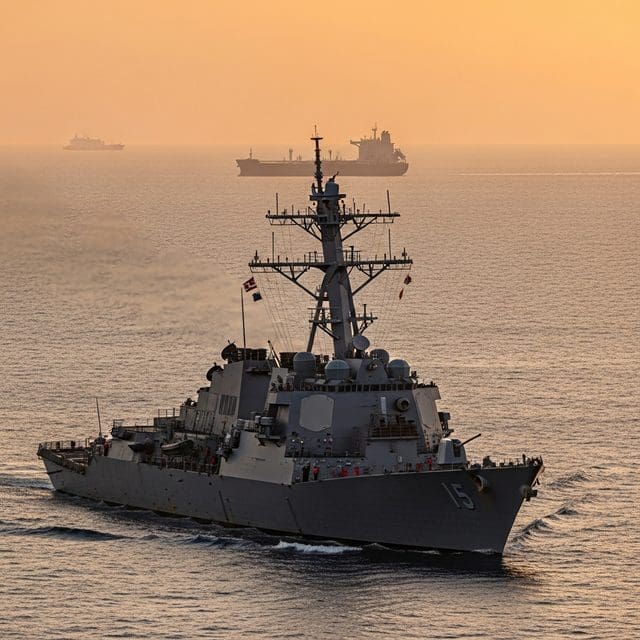
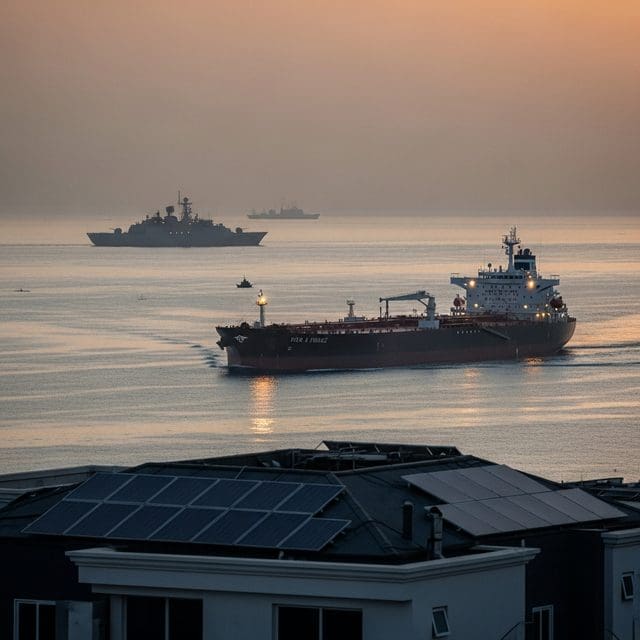
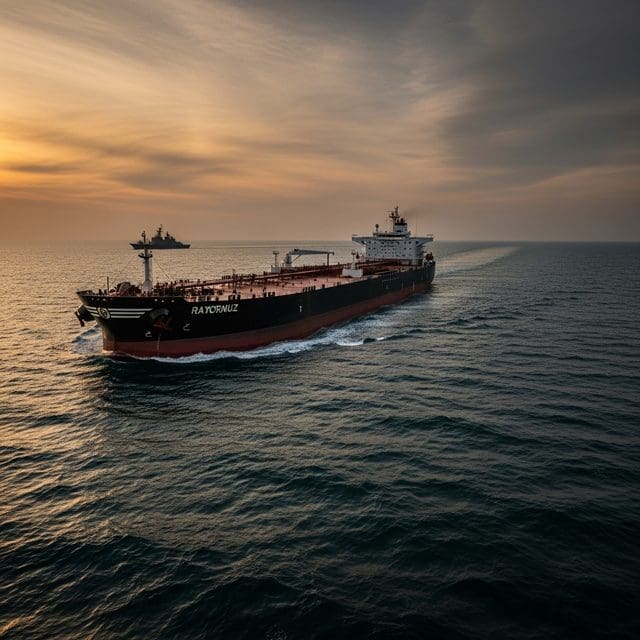
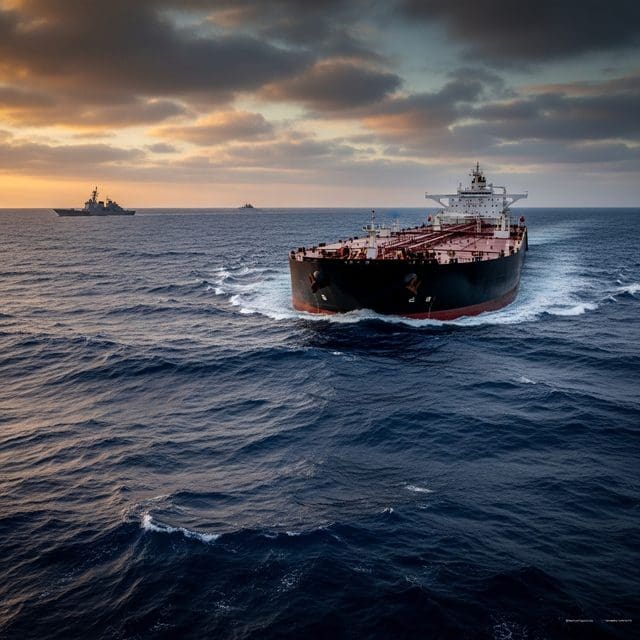
A U.S. naval blockade on Iran and tightening EU maritime emissions rules are creating a high-cost pincer movement for global energy shippers and consumers.
A U.S. naval blockade on Iran and tightening EU maritime emissions rules are creating a high-cost pincer movement for global energy shippers and consumers.
Widespread blackouts in Cuba and grid alerts in the Philippines expose the critical intersection of aging infrastructure, geopolitical fuel blockades, and the high cost of energy mismanagement.
Chevron negotiates strategic Iraqi oil and pipeline deals to circumvent the Strait of Hormuz while Europe and the UK face mounting pressure over energy security and grid stability.
Recent inflation relief from lower energy prices faces a sharp reversal as a U.S. naval blockade and Iranian retaliation threaten to destabilize global oil supplies.
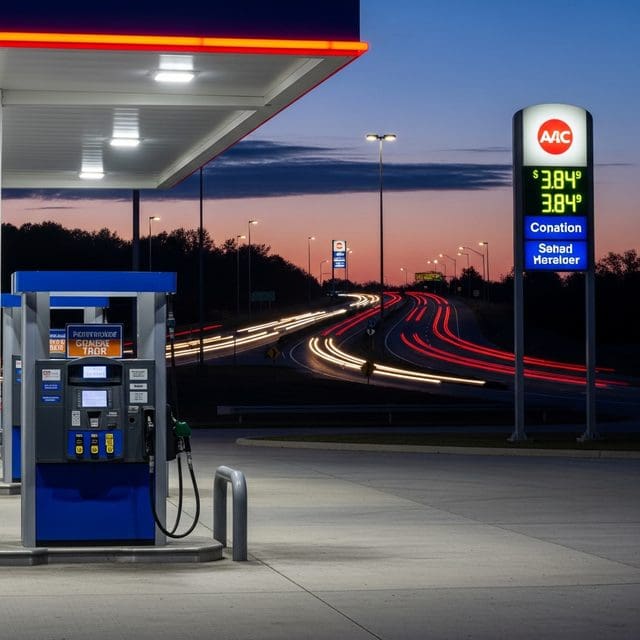
Renewed U.S.-Iran tensions and high summer demand have ended a period of price relief, pushing Brent crude to $78 and raising national gasoline averages.
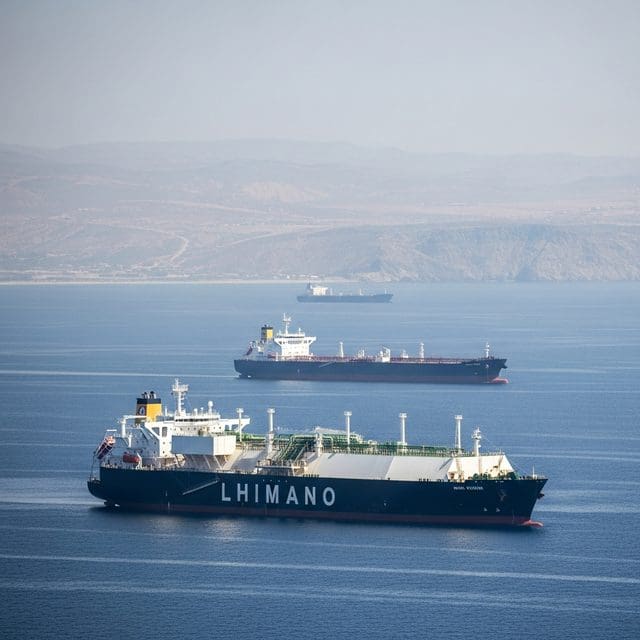
Global energy security remains precarious as infrastructure damage and renewed maritime attacks prevent a full recovery of oil and LNG flows through the Strait of Hormuz.
Renewed U.S.-Iran hostilities and the revocation of oil waivers have spiked shipping risks, forcing a shift in consumer behavior and accelerating alternative energy infrastructure plays.
A study from the University of Colorado Boulder predicts the Arctic Ocean will experience its first ice-free day within the next decade. This shift, occurring much sooner than previous models…
The collapse of the U.S.-Iran ceasefire following tanker attacks in the Strait of Hormuz has spiked oil prices and nullified a planned OPEC+ production increase.