

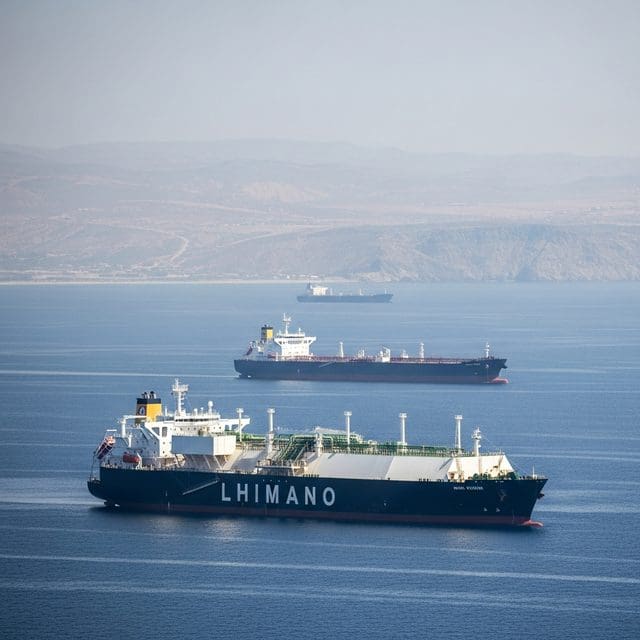
Global energy security remains precarious as infrastructure damage and renewed maritime attacks prevent a full recovery of oil and LNG flows through the Strait of Hormuz.
The fragile stabilization of global energy markets faced a significant setback this week as transit through the Strait of Hormuz remained at a near-standstill. Despite the official reopening of the waterway, shipping data indicates that traders and vessel operators are retreating in the face of persistent security threats and logistical bottlenecks. Goldman Sachs reported that while Gulf oil flows briefly recovered to above 80% of pre-war levels in the first ten days after the reopening, they have since regressed to the low-70% range following a series of recent strikes on commercial tankers.
The Trump administration has intensified pressure on Tehran, setting a Saturday, July 12, 2026, deadline for Iran to publicly renounce attacks in the strait and commit to halting fire on commercial shipping. On July 10, the President stated that while the U.S. remains open to continued talks, it will no longer adhere to a ceasefire, declaring the previous arrangement over. This hardening stance comes as regional mediators from Qatar and Pakistan attempt to de-escalate tensions and revive nuclear negotiations, though the lack of a formal ceasefire creates a high-risk environment for the private sector.
Clara Gillespie, a Senior Fellow at the Council on Foreign Relations, noted that the recovery of energy flows faces significant physical and logistical hurdles that slogans cannot resolve. Producers are currently struggling to clear stranded ships, secure new tankers, and repair extensive damage to refineries and liquefied natural gas (LNG) facilities. Rystad Energy has estimated regional repair costs at approximately $46 billion, highlighting the massive capital requirements needed to restore the status quo. These costs will inevitably be passed down the supply chain, impacting global energy prices and the bottom line for American taxpayers.
Specific incidents continue to hamper the recovery of vital energy supplies. The Qatari LNG tanker Al Rekayyat remains stranded off the coast of Oman following an engine-room fire. While Reuters reported that the LNG cargo remains intact without a breach of the tanks, the vessel requires salvage, tying up critical shipping capacity. Additionally, the Saudi-flagged crude tanker Wedyan was among three vessels damaged in the July 7-8 period. These incidents, involving missile, drone, and small-boat attacks, remain the central risk factor for insurers and shipping firms, many of whom are refusing to enter the Gulf without exorbitant premiums.
The recovery of Gulf oil and gas infrastructure remains uneven across the region. While some shut-in capacity can theoretically restart in a matter of weeks, damaged refineries will require a much longer timeline for technical repairs and safety certifications. QatarEnergy has indicated it could restore LNG output at Ras Laffan within about a month for plants that were not directly hit, but the broader LNG recovery could take anywhere from weeks to years depending on the availability of specialized parts and shipping conditions. The Council on Foreign Relations warns that these clashes are testing the push to restart global shipping, with the constant threat of asymmetric warfare making a return to normalcy unlikely in the near term.
As the July 12 deadline approaches, the energy market is bracing for further volatility. The intersection of high repair costs, increased insurance premiums, and the collapse of the ceasefire suggests that the era of cheap, reliable energy from the Persian Gulf is currently on hiatus. For the American consumer, this translates to sustained pressure on fuel and utility costs, regardless of domestic production levels, as the global market remains tethered to the security of this single, narrow waterway.

Mark Davis serves as the Senior Correspondent for Energy, Climate, and Resource Economics at Just Right News. In an era where the conversation around the environment is often dominated by alarmism and top-down mandates, Mark provides a vital, market-oriented perspective on the complex forces shaping our world. As the lead voice behind the acclaimed feature series “Power and the Planet,” he explores the intersection of environmental policy, global energy markets, and the fundamental economic principles that sustain modern civilization.
Mark’s pragmatic approach to resource management was forged in the high desert of his hometown, Albuquerque, New Mexico. Growing up in a region defined by both its breathtaking natural beauty and its rugged, resource-dependent landscape, he developed an early appreciation for the delicate balance between conservation and utilization. New Mexico’s unique position as a hub for both traditional energy production and cutting-edge scientific research provided Mark with a front-row seat to the evolution of the American energy sector. This upbringing instilled in him a deep-seated belief that true environmental stewardship is inseparable from economic prosperity and technological innovation.
Now based in Boulder, Colorado, Mark operates from the heart of the nation’s climate research community. While Boulder is often seen as a bastion of environmental idealism, Mark utilizes his post to provide a necessary counterweight, grounded in the realities of resource economics. He understands that energy policy does not exist in a vacuum; it has tangible consequences for the American taxpayer, the stability of the national power grid, and the strength of the domestic manufacturing sector. By reporting from the front lines of the climate debate, he is able to challenge prevailing narratives with hard data and a commitment to the principles of the free market.
Throughout his tenure at Just Right News, Mark has distinguished himself by focusing on the “Resource Economics” aspect of his beat. He frequently highlights the hidden costs of rapid energy transitions and advocates for an “all-of-the-above” energy strategy that prioritizes American energy independence. His work often shines a light on the geopolitical implications of resource scarcity, arguing that a secure nation must first be an energy-secure nation. Whether he is analyzing the impact of federal land-use regulations or investigating the supply chains required for new technologies, Mark remains focused on how policy decisions affect the lives and livelihoods of everyday citizens.
In “Power and the Planet,” Mark continues to bridge the gap between complex scientific concepts and the economic realities facing the country. He rejects the false choice between a healthy environment and a thriving economy, instead seeking out solutions that leverage American ingenuity and private-sector competition. For Mark, reporting on the climate is not about following the latest trends, but about ensuring that the conversation remains tethered to the foundational values of liberty, property rights, and fiscal responsibility. His contributions ensure that Just Right News readers receive a comprehensive, clear-eyed view of the challenges and opportunities defining the future of our planet.