

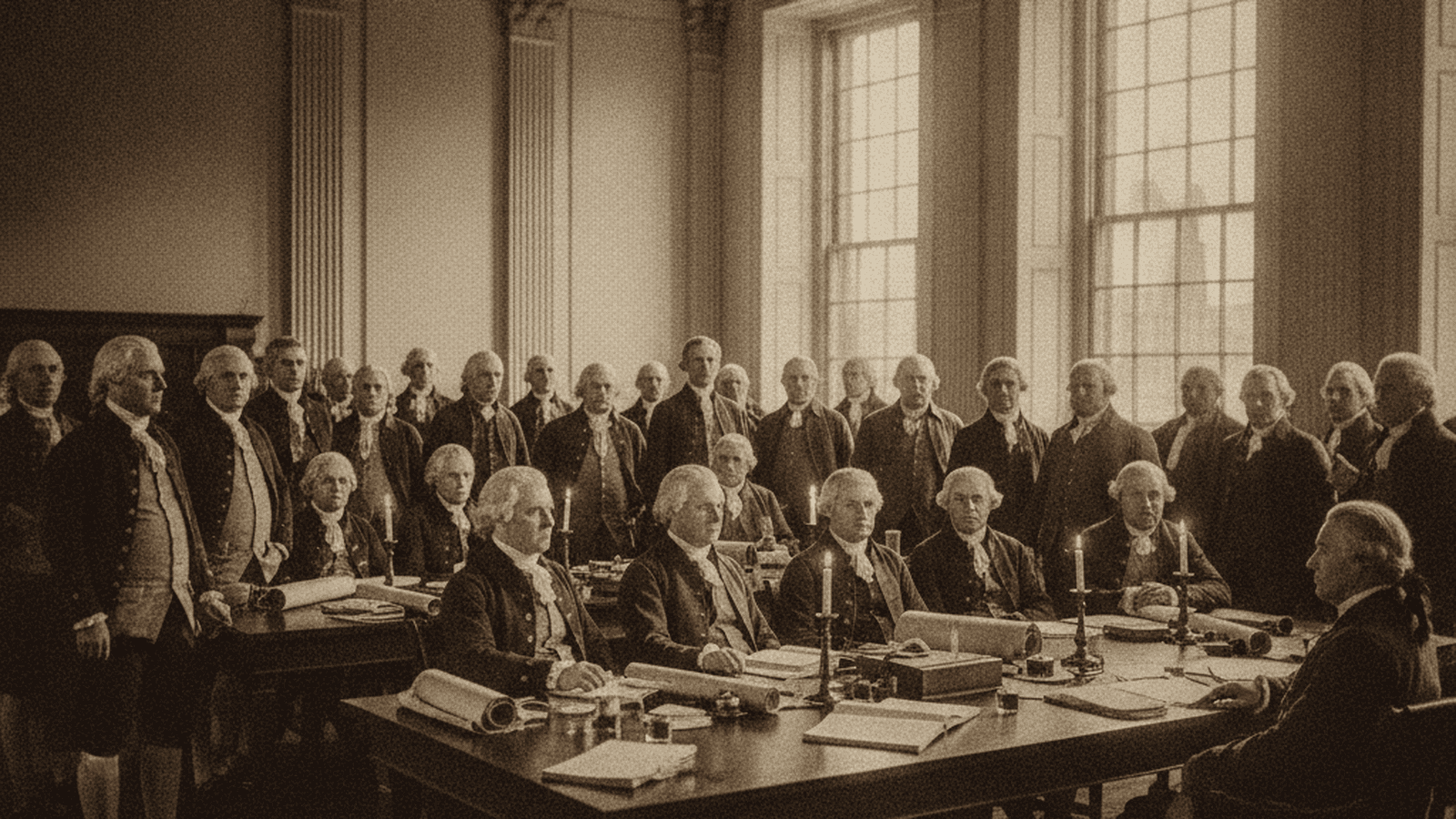
In 1799, the New York State Legislature passed the Gradual Abolition Act, a pivotal piece of legislation in the United States that initiated the slow end of slavery in the state. The law represented a significant political compromise between abolitionist reformers and slave-holding interests during the Early Republic.
TLDR: New York’s 1799 Gradual Abolition Act marked a critical shift in Northern civil rights policy. By granting freedom to children born to enslaved women after a period of service, the state established a legal framework for ending slavery, eventually leading to full emancipation in 1827.
The passage of the Gradual Abolition Act in 1799 marked a transformative moment in the political and social landscape of New York. As the 18th century drew to a close, New York held the largest population of enslaved people among the Northern states, with nearly 20,000 individuals in bondage. Political pressure for reform had been mounting since the drafting of the state’s first constitution in 1777, which notably failed to address the institution of slavery despite the revolutionary rhetoric of the era. The New York Manumission Society, founded in 1785, became the primary engine for legislative change.
Led by prominent Federalists like John Jay and Alexander Hamilton, the Manumission Society utilized a combination of legal aid for enslaved people and direct lobbying of the state legislature. They argued that the continued existence of slavery was a moral stain on the new republic and a contradiction of its founding principles. However, they faced stiff opposition from the landed gentry of the Hudson Valley and the merchant class in New York City. These groups viewed enslaved labor as a vital economic asset and argued that any state-mandated manumission constituted an unconstitutional seizure of private property.
The legislative process was characterized by intense debate and significant compromise. Previous attempts to pass abolition bills in 1785 and 1796 had failed because the Assembly and the Senate could not agree on the civil rights of freed individuals, particularly regarding voting and interracial marriage. To overcome these hurdles, reformers in 1799 proposed a gradual approach that would minimize immediate economic disruption. This strategy aimed to appease slaveholders by ensuring they would not lose their current workforce while providing a legal certainty that the institution would eventually expire.
On March 29, 1799, Governor John Jay signed the act into law, achieving a goal he had pursued for over two decades. The statute did not grant immediate freedom to those currently enslaved. Instead, it declared that any child born to an enslaved woman after July 4, 1799, would be born free. However, these children were required to serve the mother’s owner as indentured servants until the age of 28 for men and 25 for women. This provision was intended to compensate owners for the costs of raising the children and to ensure a stable labor supply during the transition.
The 1799 Act also included strict regulations to prevent the export of enslaved people from the state, a common tactic used by owners to liquidate their assets before they could be freed. It required owners to register the births of children born into this new legal status with local town clerks, creating a bureaucratic framework for tracking the transition to freedom. While the law was a victory for the abolitionist movement, it was also criticized for its slow pace. Many enslaved people remained in bondage for decades following the law’s enactment, and the indentured status of the newly born often mirrored the conditions of slavery.
Political dynamics in Albany shifted further in the early 19th century as the Democratic-Republican Party and the Tammany Hall faction gained influence. By 1817, the legislature passed a follow-up act that set a definitive date for the end of slavery in the state. This subsequent law decreed that all enslaved people born before 1799 would be freed on July 4, 1827. The 1799 Act served as the essential legal precursor to this final emancipation, establishing the principle that the state had the authority to legislate the end of involuntary servitude. This legislative milestone eventually paved the way for the complete abolition of slavery in New York, influencing similar civil rights movements across the Mid-Atlantic region and providing a template for gradualism that would be debated until the Civil War.

Lila Hayes serves as a Staff Writer for Just Right News, where she anchors the “Courts, Law, and Constitutional Order” beat. Her work is defined by a steadfast commitment to the foundational principles of the American republic and a rigorous defense of the legal frameworks that ensure national stability. As a primary voice for the outlet, she provides readers with a clear-eyed analysis of the judiciary, focusing on the importance of originalism and the preservation of the separation of powers.
Lila’s perspective was forged in the American heartland. Raised in St. Louis, Missouri, she grew up in a Hispanic household where the values of hard work, faith, and respect for the law were paramount. Her upbringing instilled in her a deep appreciation for the American Dream and the legal protections that make it possible. This Missouri background remains a cornerstone of her reporting, providing a grounded, common-sense counter-narrative to the often-insular legal circles of the coastal elite. She understands that the decisions made in high-court chambers have real-world consequences for families and small business owners across the country.
At Just Right News, Lila has become widely recognized for her signature feature series, “The Rulebook of Power.” In this ongoing project, she delves into the mechanics of the federal government, examining how administrative overreach and judicial activism can threaten the delicate balance of the Constitution. She approaches her beat with the tenacity of a veteran journalist and the precision of a legal scholar, consistently advocating for a judiciary that interprets the law as written rather than legislating from the bench. For Lila, the Constitution is not a “living” document subject to the whims of modern social trends; it is a fixed standard that ensures the government remains the servant of the people, not their master.
Now based in Philadelphia, Pennsylvania, Lila finds herself at the very epicenter of American constitutional history. Living and working in the city where the Founders drafted the documents she defends daily provides a constant source of inspiration. The historic halls and landmarks of Philadelphia serve as a daily reminder of the high stakes involved in her reporting. Her presence in the city allows her to bridge the gap between the historical intent of the law and its contemporary application, ensuring that the legacy of the Founding Fathers remains central to the national conversation.
Throughout her career, Lila has remained dedicated to the idea that a free society requires an informed citizenry and a transparent legal system. Her reporting is more than just a collection of headlines; it is a defense of the constitutional order that has sustained the nation for over two centuries. By focusing on the “Rulebook of Power,” she ensures that her readers understand not just what is happening in the courtrooms, but why those decisions matter for the future of American liberty. Lila Hayes continues to be a vital voice for those who believe that the law should be a shield for the citizen and a constraint on the state.