

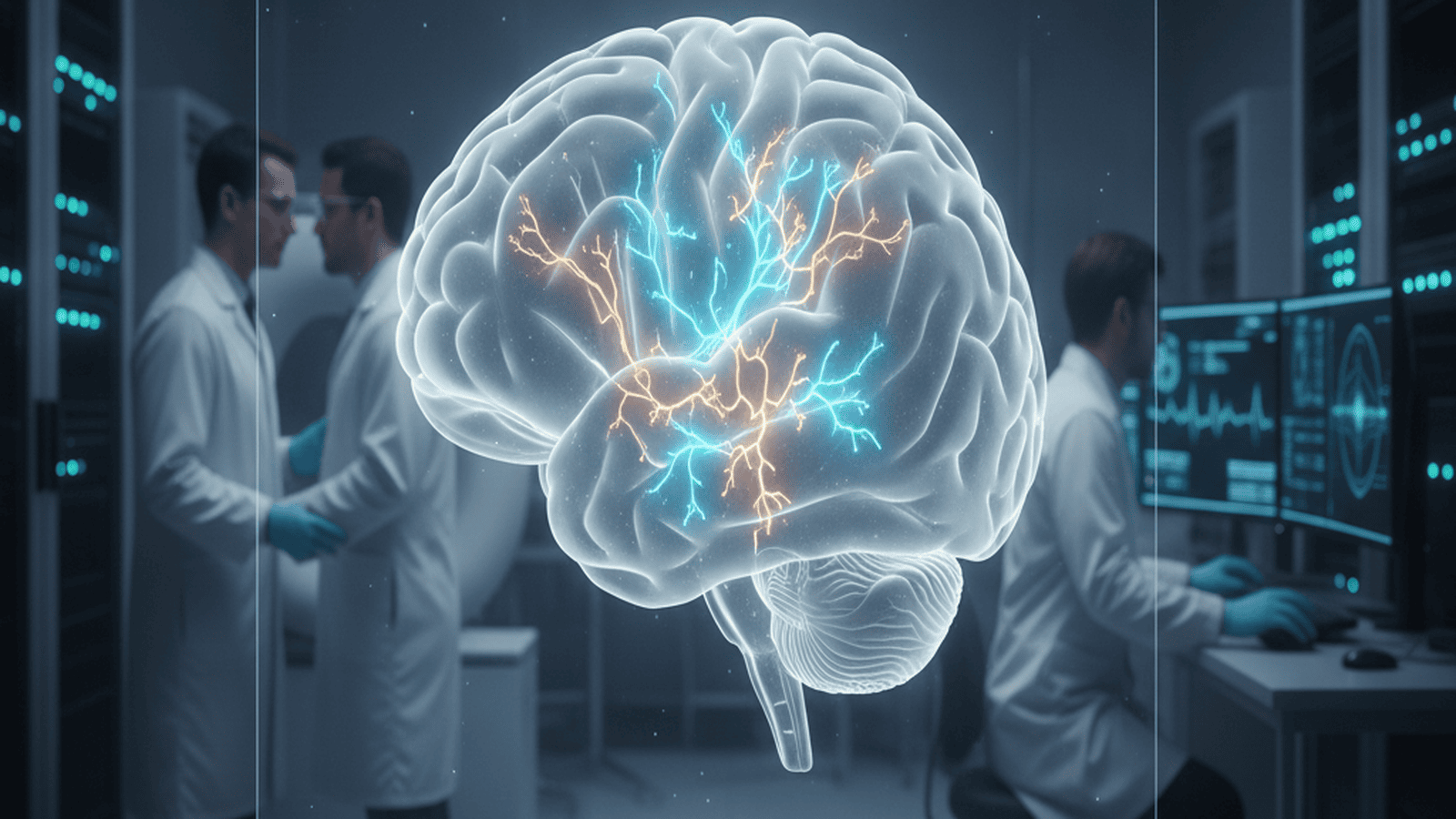
Researchers at the National Institutes of Health have mapped a specific neural circuit in the central amygdala that functions as a control center for pain. By modulating this pathway, scientists were able to significantly reduce pain-related behaviors in laboratory models, offering a new target for non-opioid pain management.
TLDR: Scientists at the NIH have discovered a “pain thermostat” in the brain’s central amygdala. This specific neural circuit can actively suppress or amplify pain signals, providing a precise biological target for developing new, non-addictive treatments for chronic pain conditions without the side effects of traditional opioids.
Scientists at the National Institutes of Health (NIH) have identified a specific neural circuit in the brain that functions as a “pain thermostat,” capable of turning the perception of physical pain up or down. This discovery, led by researchers at the National Center for Complementary and Integrative Health (NCCIH), provides a detailed map of how the brain’s emotional center processes and modulates pain signals. The study represents a significant shift in how neuroscientists view the relationship between emotion and physical sensation, suggesting that pain is not merely a passive response to injury but a highly regulated internal process.
The research team focused their investigation on the central amygdala, a region of the brain traditionally associated with fear, anxiety, and the “fight or flight” response. While the amygdala’s role in emotional processing is well-documented, its function as a primary controller for pain intensity was previously less understood. Using advanced imaging and optogenetic techniques—which involve using light to control genetically modified neurons—the team identified a subset of neurons that express a specific enzyme known as protein kinase C-delta (PKC-delta).
These PKC-delta neurons were found to be essential in the amplification of pain. When these specific cells were activated in laboratory models, the subjects exhibited heightened sensitivity to pain, reacting strongly even to minor stimuli. Conversely, the researchers discovered a separate, neighboring group of neurons that perform the opposite function. When these “anti-pain” neurons were stimulated, they effectively suppressed pain signals, acting as a natural brake on the nervous system’s response to injury. This discovery reveals that the brain possesses an inherent mechanism to dial back suffering, provided the right circuits are engaged.
The researchers observed that these two sets of neurons work in a constant push-pull dynamic to maintain sensory balance. In a healthy state, the “pain thermostat” adjusts according to the severity of a physical threat. However, the study suggests that in cases of chronic pain, this circuit becomes dysfunctional. The “pro-pain” neurons may become overactive or the “anti-pain” neurons may lose their inhibitory power, leading the brain to perceive intense pain long after an initial injury has healed. This suggests that chronic pain may be a result of the thermostat getting “stuck” in an elevated position.
This finding is particularly significant for the ongoing effort to address the global opioid crisis. Current pain medications, including opioids, often target the entire nervous system or flood the brain’s reward centers, leading to widespread side effects, tolerance, and the high risk of addiction. By identifying a precise biological “switch” in the amygdala, scientists have opened the door to therapies that could potentially “reset” the pain thermostat. Such treatments would be highly targeted, aiming to silence the specific neurons responsible for pain amplification without affecting other cognitive or physical functions, such as motor control or mood.
The implications for public health are substantial, as chronic pain affects millions of individuals and remains one of the most difficult conditions to treat effectively. The NIH study provides a clear anatomical target for the development of next-generation analgesics that are both more effective and safer than current options. Future research will focus on identifying the specific molecular triggers and neurotransmitters that activate these amygdala neurons. Additionally, researchers are looking into non-invasive methods, such as focused ultrasound or deep-brain stimulation, to modulate this circuit in human patients. Understanding these mechanisms could lead to personalized treatments for complex conditions like fibromyalgia and neuropathy, finally offering relief to patients whose lives are dominated by persistent pain.

Susan Carter serves as a Senior Correspondent for Just Right News, where she leads the network’s comprehensive coverage of Health, Medicine, and Public Policy. With a career dedicated to dissecting the complexities of the American healthcare system, Susan brings a principled perspective to the most pressing debates of the day. Her reporting is characterized by a commitment to individual liberty, fiscal responsibility, and a healthy skepticism of government overreach, making her a vital voice for audiences seeking clarity in an increasingly regulated landscape.
Raised in Minneapolis, Minnesota, Susan’s professional outlook is deeply informed by the values of the American heartland. Growing up in the Twin Cities, she witnessed firsthand the importance of community-driven solutions and the resilience of the individual. This Midwestern foundation instilled in her a firm belief that the best answers to public policy challenges often come from local innovation and personal responsibility rather than top-down federal mandates. Her background allows her to translate complex legislative jargon into stories that resonate with families who value common sense and local autonomy.
Now based in Baltimore, Maryland, Susan operates from a unique vantage point at the intersection of medical innovation and urban policy. Living and working in a city renowned for its world-class medical institutions and significant public health challenges, she has a front-row seat to the realities of the modern healthcare landscape. Her proximity to these hubs of research and policy allows her to scrutinize how government intervention affects the quality of care and the freedom of medical professionals. In Baltimore, she sees the tangible results of policy decisions, using the city as a lens through which to examine the broader national health debate and the impact of federal spending on local communities.
As the lead for the acclaimed feature series “The Cost of Care,” Susan dives deep into the economic realities facing patients and providers alike. Her work focuses on the necessity of price transparency, the benefits of market competition, and the preservation of the sacred doctor-patient relationship. She is a staunch advocate for the idea that a well-informed public is the best defense against bureaucratic inefficiency. Through this series, she has exposed the hidden drivers of rising medical expenses, always seeking to empower the individual consumer over the massive institution.
Susan’s reporting on public policy is characterized by a commitment to rigorous inquiry and a focus on constitutional limits. Whether she is analyzing new pharmaceutical regulations, investigating the impact of federal health mandates, or exploring the future of medical technology, her goal remains the same: to provide Just Right News audiences with the facts they need to navigate a complex world. By blending her Midwestern sensibilities with the insights gained from her base in Maryland, Susan Carter has become a trusted authority for those who believe that personal freedom and public health are inextricably linked. Her work continues to challenge the status quo, advocating for a system that respects the taxpayer and prioritizes the patient.