

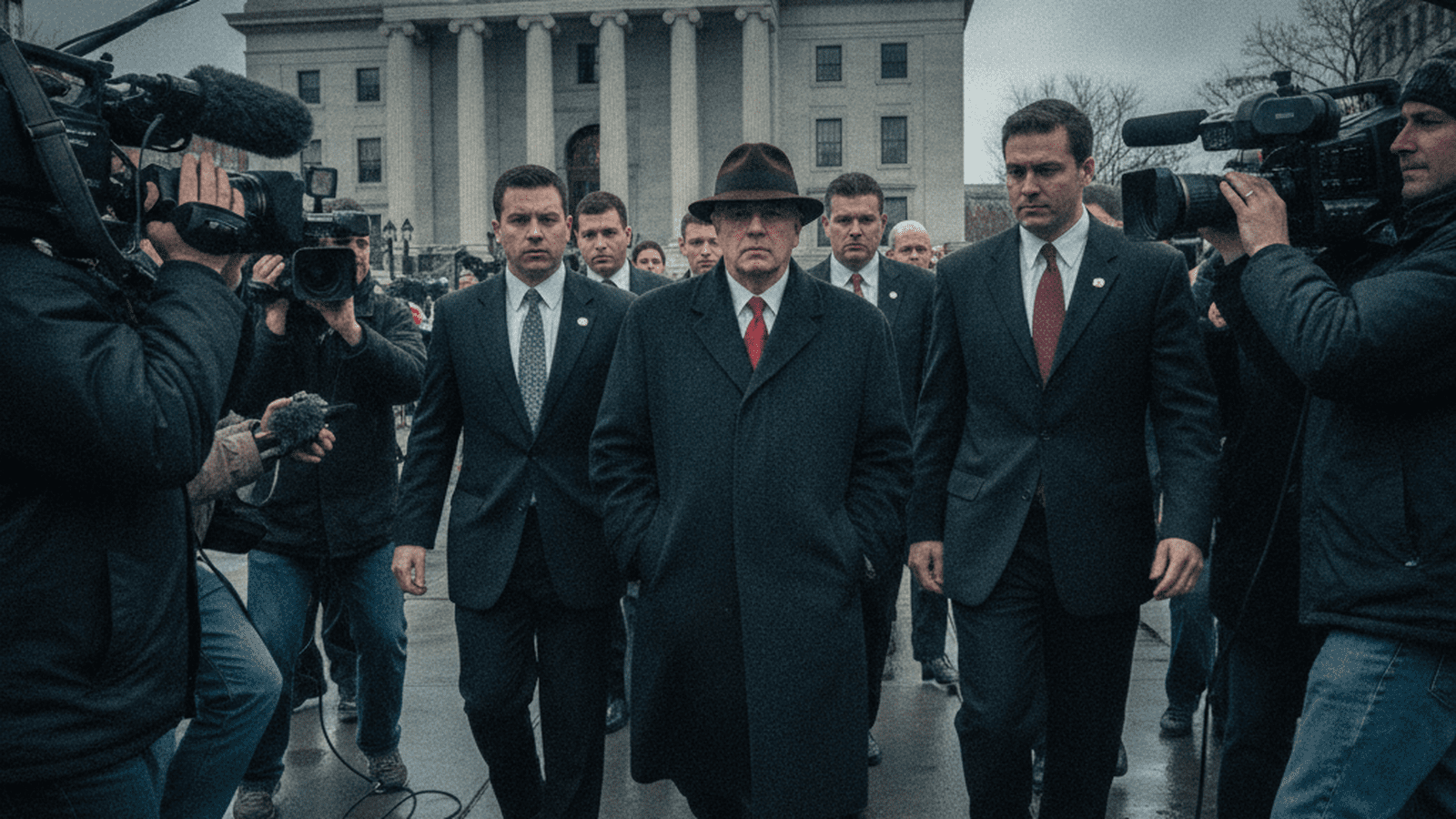
In 2002, the federal investigation known as Operation Plunder Dome led to the racketeering conviction of Providence Mayor Vincent ‘Buddy’ Cianci Jr. The case exposed a culture of systemic corruption and bribery within the municipal government of the United States city.
TLDR: Operation Plunder Dome was a federal anti-corruption sting that targeted the administration of Providence Mayor Buddy Cianci in 2002. Convicted of racketeering conspiracy, Cianci’s downfall marked the end of an era for Rhode Island’s political machine and prompted significant ethics reforms across the state’s local governance structures.
The political landscape of Providence, Rhode Island, underwent a seismic shift in 2002 as the federal government concluded its most significant investigation into municipal corruption in the state’s history. Known as Operation Plunder Dome, the probe targeted the administration of Mayor Vincent “Buddy” Cianci Jr., a man who had become synonymous with the city’s dramatic urban renewal. While Cianci was widely credited with the “Providence Renaissance,” federal investigators uncovered a darker reality of systemic graft behind the city’s revitalization efforts.
The FBI began its covert operation in the late 1990s, utilizing informants and sophisticated surveillance to document a pervasive culture of “pay-to-play” politics. Agents focused on the city’s Board of Tax Assessment and the Department of Planning and Development, where bribes were allegedly exchanged for favorable tax rulings or lucrative city contracts. One of the most infamous allegations involved a $5,000 bribe paid to secure a membership at the exclusive University Club, illustrating the petty yet pervasive nature of the corruption. The investigation eventually reached the highest levels of the executive branch in Providence, leading to the indictment of the mayor and several of his closest political aides.
During the high-stakes trial in 2002, federal prosecutors argued that Cianci presided over a criminal enterprise that functioned through extortion, bribery, and mail fraud. The courtroom drama captivated the United States, as witnesses described a system where political loyalty and under-the-table cash payments were prerequisites for doing business with the city. Prosecutors utilized the Racketeer Influenced and Corrupt Organizations (RICO) Act, a tool typically reserved for organized crime, to argue that the mayor’s office had been transformed into a vehicle for racketeering. Cianci’s defense team maintained that the mayor was unaware of the illicit activities of his subordinates, portraying him as a dedicated public servant who was being unfairly targeted for the actions of a few rogue employees.
The jury ultimately delivered a nuanced and mixed verdict after weeks of testimony. They acquitted Cianci of several specific counts of bribery and extortion, which his supporters initially viewed as a victory. However, the jury found him guilty of a single, overarching count of racketeering conspiracy. This conviction was legally significant because it established that the mayor had overseen and participated in a broad conspiracy to run City Hall as a criminal enterprise, regardless of whether he personally pocketed every bribe mentioned in the indictment.
Cianci was sentenced to five years in federal prison, marking a definitive and ignominious end to his second tenure as mayor. The conviction sent shockwaves through New England, where Cianci had long been a dominant, charismatic, and often polarizing figure. His forced removal from office created an immediate power vacuum and prompted a public outcry for fundamental changes to the city’s administrative and ethical structures. The fall of the “Prince of Providence” signaled that even the most popular and influential local leaders were not immune to federal oversight.
In the years following the conclusion of Operation Plunder Dome, Rhode Island enacted a series of legislative measures designed to curb political influence and increase transparency. The state strengthened the powers of the Rhode Island Ethics Commission, giving it greater autonomy to investigate local officials. Additionally, new ordinances were passed in Providence to provide more rigorous oversight for municipal contracts and appointments. These reforms aimed to dismantle the remnants of the political machine that had allowed corruption to flourish for decades. The legacy of the 2002 trial remains a landmark in United States political history, serving as a primary example of how federal intervention can disrupt entrenched local corruption.
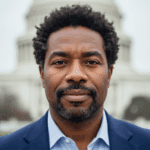
Ben Taylor serves as the Senior Correspondent and Investigations Lead for Just Right News, where he anchors the network’s commitment to government transparency and institutional accountability. With a career defined by a relentless pursuit of the facts, Taylor spearheads the acclaimed feature series “The Paper Trail,” a deep-dive investigative column that prioritizes primary source documentation over political rhetoric. Based in the heart of the nation’s capital, he has earned a reputation as one of the most formidable investigative journalists in Washington, D.C., known specifically for his mastery of public records and the Freedom of Information Act.
Taylor’s approach to journalism is deeply rooted in his upbringing in Kansas City, Missouri. Growing up in the “Show Me State,” he developed a healthy skepticism of centralized power and a profound respect for the common-sense values of the American heartland. This Midwestern foundation informs his reporting today, as he bridges the gap between the complex machinations of federal bureaucracy and the everyday concerns of citizens across the country. For Taylor, investigative reporting is not about chasing headlines; it is about ensuring that the government remains answerable to the people it serves.
As an African American man working within the conservative media landscape, Taylor brings a principled perspective to his beat. He views the Constitution and the right to information as the ultimate equalizers in a free society. His work often highlights how bureaucratic overreach and lack of transparency disproportionately affect individual liberties. By focusing on the “paper trail,” Taylor strips away the spin of partisan talking points, instead providing Just Right News readers with the raw data and internal communications that reveal how their tax dollars are spent and how policy decisions are actually made.
In his role as Investigations Lead, Taylor oversees a team dedicated to uncovering the stories that mainstream outlets often overlook. Whether he is auditing federal spending, investigating regulatory overreach, or exposing inefficiencies within the administrative state, his methodology remains consistent: follow the evidence wherever it leads. His presence in Washington, D.C., allows him to maintain a constant watch over the halls of power, yet he remains steadfastly connected to his roots, ensuring his reporting reflects the clarity and directness of his Missouri home.
Throughout his tenure at Just Right News, Taylor has become a vital voice for those who demand integrity in public office. He believes that a well-informed electorate is the strongest defense against government overreach, and he has dedicated his career to providing the public with the tools they need to hold their leaders accountable. Through “The Paper Trail” and his broader investigative work, Ben Taylor continues to set the standard for rigorous, document-driven journalism that champions the values of transparency, individual responsibility, and the rule of law.