

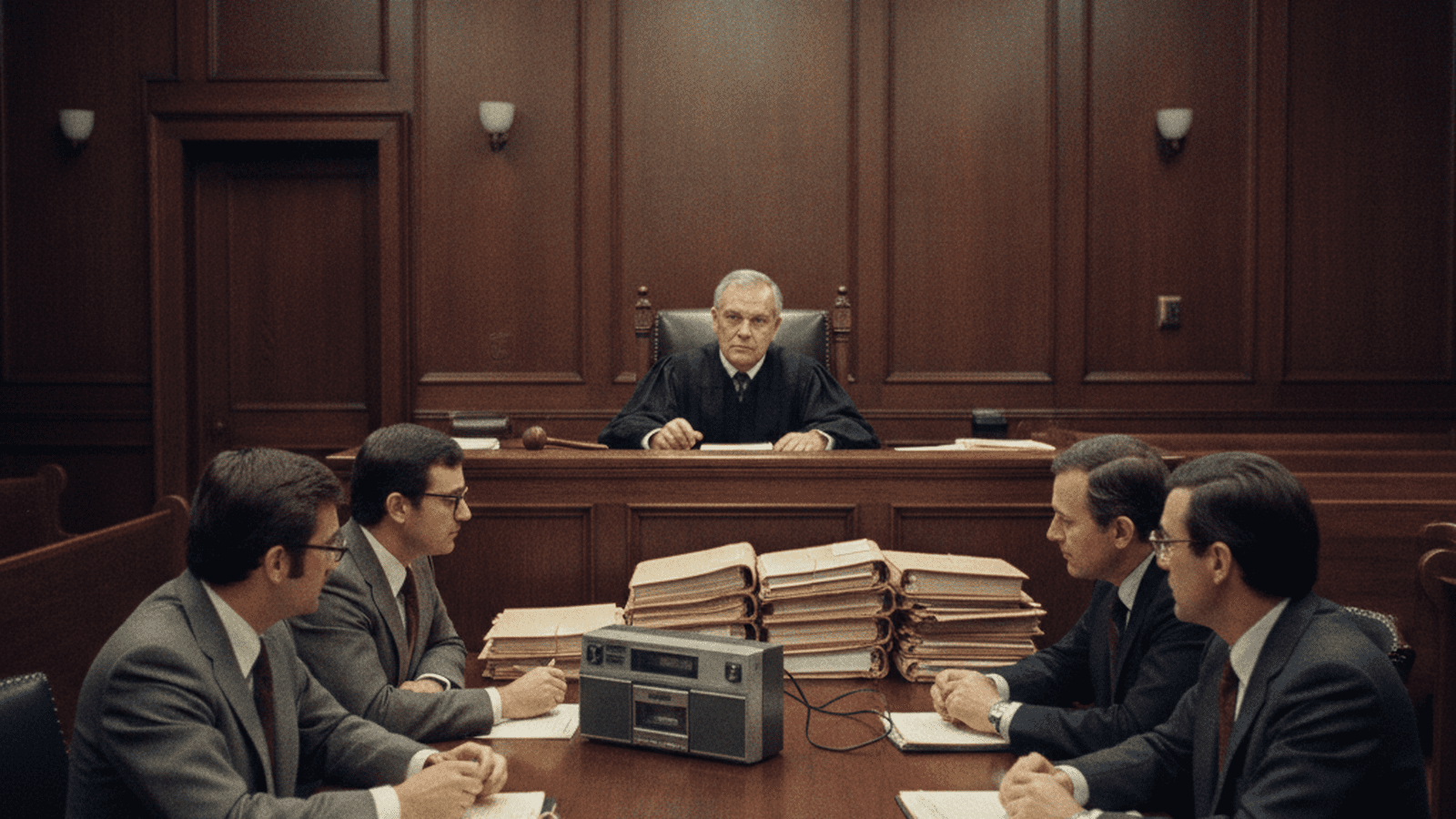
Operation Greylord was a massive undercover FBI investigation into the Cook County Circuit Court in Chicago during the early 1980s. The probe resulted in the conviction of dozens of officials, including 15 judges, for bribery and racketeering within the United States legal system.
TLDR: In 1983, the FBI revealed Operation Greylord, a multi-year sting targeting systemic bribery in Chicago’s courts. Undercover agents and wired informants exposed a culture of fixing cases for cash. The scandal led to over 90 convictions and fundamental reforms in judicial oversight across the United States.
In the early 1980s, the Cook County Circuit Court in Chicago stood as the largest unified court system in the world, overseeing millions of cases annually. However, beneath its bureaucratic surface, a culture of systemic bribery and case-fixing had taken root, creating a “pay-to-play” environment where justice was often a commodity. To address persistent rumors of widespread malfeasance, the Federal Bureau of Investigation launched Operation Greylord in 1980. This investigation marked a watershed moment in United States history, as it was the first time the FBI successfully placed undercover agents within a local judicial system to root out institutionalized graft.
The operation was named “Greylord” after the traditional wigs worn by British judges, a symbolic nod to the judicial nature of the target. For three and a half years, undercover agents and cooperating witnesses worked to infiltrate the inner workings of the Chicago courts. One of the most pivotal figures was Terrence Hake, a young prosecutor who agreed to work with the FBI. Hake transitioned from the prosecutor’s office to private practice, posing as a corrupt defense attorney. He carried hidden recording devices—bulky by modern standards—to capture conversations with judges, bailiffs, and court clerks who facilitated illegal transactions. Hake’s work exposed how “hustlers” (lawyers who hung around courtrooms) would kick back portions of their fees to judges in exchange for case referrals or favorable rulings.
The FBI also utilized unprecedented surveillance techniques during the probe. For the first time, federal authorities received court authorization under Title III of the Omnibus Crime Control and Safe Streets Act to place a listening device inside a judge’s chambers. This bug was installed in the office of Judge James Murphy, providing investigators with direct evidence of how bribes were negotiated. The recordings revealed a marketplace where everything from traffic tickets and DUIs to felony charges could be fixed for the right price. In some instances, money changed hands in the very hallways of the courthouse or even in the judges’ private restrooms.
The first wave of indictments arrived in late 1983, sending shockwaves through the Illinois legal community and the nation. The charges included racketeering, bribery, extortion, and mail fraud. Prosecutors described a system where defense attorneys routinely paid referral fees to judges in exchange for being assigned lucrative cases. In other instances, judges accepted cash directly to dismiss charges or reduce sentences for defendants, effectively selling justice to the highest bidder. The public was stunned to learn that the “miracles” performed by certain defense attorneys were actually the result of pre-arranged cash payments.
By the conclusion of the trials, the statistics of the operation were staggering. More than 90 individuals were indicted, including 15 judges, 50 lawyers, and numerous court officials, police officers, and deputy sheriffs. Among those convicted was Richard LeFevour, the presiding judge of the court’s First Municipal District, who received a 12-year prison sentence for his role in the scheme. Another high-profile conviction was Judge Wayne Olson, who was caught on the chamber bug discussing bribes. The sheer volume of convictions highlighted a deep-seated institutional rot that had persisted for decades.
The fallout from Operation Greylord prompted significant changes to the United States legal landscape. The Illinois Supreme Court established the Special Commission on the Administration of Justice in Cook County to recommend systemic improvements. These reforms included stricter financial disclosure requirements for judges and the implementation of a random case assignment system to prevent “judge shopping.” The legacy of the sting remains a landmark in federal anti-corruption efforts, demonstrating the power of sophisticated undercover operations to penetrate even the most insulated public institutions. It served as a warning that no branch of government was above the law.
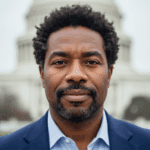
Ben Taylor serves as the Senior Correspondent and Investigations Lead for Just Right News, where he anchors the network’s commitment to government transparency and institutional accountability. With a career defined by a relentless pursuit of the facts, Taylor spearheads the acclaimed feature series “The Paper Trail,” a deep-dive investigative column that prioritizes primary source documentation over political rhetoric. Based in the heart of the nation’s capital, he has earned a reputation as one of the most formidable investigative journalists in Washington, D.C., known specifically for his mastery of public records and the Freedom of Information Act.
Taylor’s approach to journalism is deeply rooted in his upbringing in Kansas City, Missouri. Growing up in the “Show Me State,” he developed a healthy skepticism of centralized power and a profound respect for the common-sense values of the American heartland. This Midwestern foundation informs his reporting today, as he bridges the gap between the complex machinations of federal bureaucracy and the everyday concerns of citizens across the country. For Taylor, investigative reporting is not about chasing headlines; it is about ensuring that the government remains answerable to the people it serves.
As an African American man working within the conservative media landscape, Taylor brings a principled perspective to his beat. He views the Constitution and the right to information as the ultimate equalizers in a free society. His work often highlights how bureaucratic overreach and lack of transparency disproportionately affect individual liberties. By focusing on the “paper trail,” Taylor strips away the spin of partisan talking points, instead providing Just Right News readers with the raw data and internal communications that reveal how their tax dollars are spent and how policy decisions are actually made.
In his role as Investigations Lead, Taylor oversees a team dedicated to uncovering the stories that mainstream outlets often overlook. Whether he is auditing federal spending, investigating regulatory overreach, or exposing inefficiencies within the administrative state, his methodology remains consistent: follow the evidence wherever it leads. His presence in Washington, D.C., allows him to maintain a constant watch over the halls of power, yet he remains steadfastly connected to his roots, ensuring his reporting reflects the clarity and directness of his Missouri home.
Throughout his tenure at Just Right News, Taylor has become a vital voice for those who demand integrity in public office. He believes that a well-informed electorate is the strongest defense against government overreach, and he has dedicated his career to providing the public with the tools they need to hold their leaders accountable. Through “The Paper Trail” and his broader investigative work, Ben Taylor continues to set the standard for rigorous, document-driven journalism that champions the values of transparency, individual responsibility, and the rule of law.