

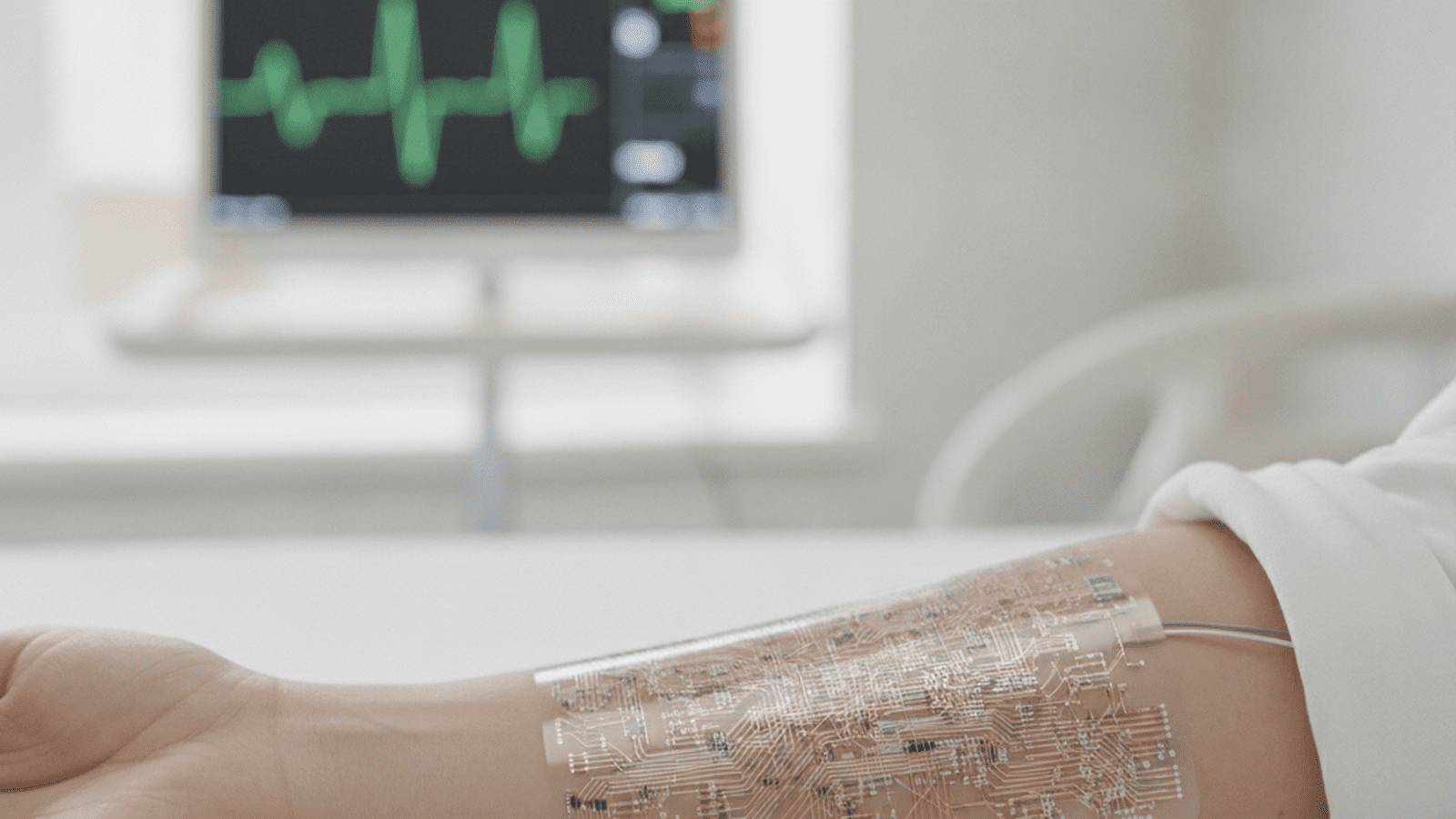
Researchers have developed a high-efficiency, flexible thermoelectric generator capable of converting human body heat into electricity to power wearable medical sensors. This technology eliminates the need for traditional batteries in patient monitoring devices, offering a continuous and sustainable energy source within hospital environments.
TLDR: Scientists have engineered flexible thermoelectric patches that harvest energy from the temperature difference between skin and air. These devices can autonomously power medical sensors, reducing hospital waste and ensuring uninterrupted patient monitoring without the need for battery replacements or external charging cables.
The integration of continuous health monitoring into clinical practice has long been hindered by the limitations of battery technology. Traditional lithium-ion batteries are rigid, require frequent recharging, and contribute significantly to medical hazardous waste. A research team specializing in energy technology has recently demonstrated a breakthrough in flexible thermoelectric generators (TEGs) that harvest electricity directly from human body heat. This development, refined within a hospital research environment, provides a pathway for energy-autonomous medical sensors that never need to be plugged in or replaced.
Thermoelectric generators operate on the Seebeck effect, a phenomenon where a temperature difference between two different semiconductors produces an electric voltage. While rigid TEGs have existed for decades, they are poorly suited for the human body, which is curved and constantly in motion. The researchers overcame this by embedding high-performance bismuth telluride inorganic compounds into a flexible, non-toxic elastomer substrate. This architecture allows the device to maintain intimate contact with the skin, maximizing the thermal gradient captured from the patient. To ensure the device remains functional during physical activity, the team incorporated liquid metal interconnects made of gallium and indium. These liquid components allow the electrical pathways to stretch and flex without breaking, a common failure point in previous wearable electronics.
In clinical trials conducted within a controlled hospital setting, the patches successfully powered a suite of sensors, including those for heart rate, respiratory frequency, and blood oxygen saturation. The devices generated enough microwatts per square centimeter to sustain data transmission via low-power Bluetooth protocols. During the validation phase, the research team monitored patients across various metabolic states, from rest to light physical therapy. They found that even at low activity levels, the temperature difference between the skin and the hospital’s ambient air remained sufficient to maintain a steady voltage. The team also developed a specialized power management integrated circuit that can boost the low voltages produced by the TEG to the levels required by standard medical microcontrollers.
The implications for hospital infrastructure are substantial. Currently, nurses and technicians spend significant time managing the power states of portable monitors and replacing disposable batteries. By switching to self-powered patches, healthcare facilities can reduce their environmental footprint and streamline patient care workflows. Furthermore, the continuous nature of the power supply ensures that there are no gaps in vital sign data, which is critical for early detection of patient deterioration or cardiac events. This synergy between material science and electrical engineering was key to the project’s success.
Beyond the immediate benefits of power generation, the flexible TEGs are designed to be breathable and hypoallergenic. This addresses the issue of skin irritation often caused by long-term wear of adhesive medical devices. The researchers utilized a porous polymer structure that allows sweat to evaporate, preventing moisture buildup that could degrade the sensor’s performance or cause patient discomfort. This focus on material science ensures that the technology is as practical for the patient as it is efficient for the engineer.
The research team is now focusing on scaling the manufacturing process to reduce costs and increase the power density of the patches. Future iterations may include multi-modal energy harvesters that combine thermoelectricity with triboelectric components to capture energy from body movement as well. As these devices move toward commercialization, they represent a fundamental shift in how medical technology interacts with the human body. The transition from battery-dependent systems to energy-harvesting interfaces could redefine the standards of long-term patient monitoring and chronic disease management.

Mason Reed serves as a Staff Writer for Just Right News, where he spearheads the Future Frontiers & Special Projects desk. In an era defined by rapid technological shifts and evolving social landscapes, Mason provides a steady, principled voice, examining the innovations of tomorrow through the lens of traditional American values. His work is most prominently featured in his signature series, “The Next Horizon,” where he explores the intersection of emerging technology, national sovereignty, and the preservation of individual liberty.
A native of San Diego, California, Mason’s worldview was shaped by the unique culture of his hometown. Growing up in a region defined by its strong military presence and its history of maritime industry, he developed a deep-seated respect for the institutions that provide national stability and the entrepreneurial spirit that drives the American economy. This upbringing instilled in him a belief that true progress is not found in discarding the past, but in building upon a foundation of proven principles. His reporting often reflects this San Diego influence, emphasizing the importance of a robust national defense and the necessity of maintaining a competitive edge in the global marketplace.
Now based in San Francisco, Mason operates from the heart of the world’s technological engine. Living and working in the Bay Area provides him with a front-row seat to the advancements—and the ideological challenges—emanating from Silicon Valley. While many in the region embrace a “move fast and break things” mentality, Mason’s reporting serves as a vital counterweight. He offers Just Right News readers a “boots on the ground” perspective, documenting how radical local policies and the concentration of tech power impact the everyday lives of citizens. His proximity to the industry allows him to cut through the marketing jargon of big tech to uncover the real-world implications for privacy, free speech, and the nuclear family.
In his “Future Frontiers” beat, Mason tackles complex subjects ranging from the ethics of artificial intelligence to the burgeoning private space race. He approaches these topics with a healthy skepticism toward centralized bureaucracy, championing instead the decentralized innovations that empower individuals. Through “The Next Horizon,” he highlights the pioneers and thinkers who are working to ensure that the future remains a place where human dignity and constitutional rights are protected. He believes that the rapid pace of change requires more than just technical expertise; it requires a moral compass rooted in the Western tradition.
Throughout his tenure at Just Right News, Mason has remained committed to the idea that the future is something to be shaped, not merely accepted. His writing is characterized by a rigorous defense of American exceptionalism and a belief that the country’s best days lie ahead, provided it remains true to its founding ideals. Whether he is investigating the impact of automation on the American workforce or profiling the next generation of aerospace engineers, Mason Reed ensures that his readers are equipped with the insights they need to navigate a changing world with confidence and clarity.