

President Trump indicates a high probability of ending the Iran conflict as a new two-phase diplomatic framework emerges alongside shifting domestic and geopolitical realities.
The geopolitical landscape shifted significantly on May 6 as President Trump announced a “very good chance” of concluding the war with Iran. This diplomatic opening follows a period of intense military friction and arrives as the administration balances a complex array of domestic political pressures and international mediation efforts. The proposed framework, currently under review, seeks to transition from active hostilities to a long-term nuclear settlement.
The proposed deal is structured in two distinct phases. The first phase focuses on an immediate cessation of hostilities involving regional actors, including Hezbollah and Israel, and the reopening of the Strait of Hormuz to commercial traffic. The second phase addresses the core of the Western security concern: Iran’s nuclear program. Under the draft terms, Tehran would agree to a 20-year freeze on uranium enrichment. Crucially, the agreement stipulates that no low-level enrichment would be permitted following the freeze period. In exchange, the United States would lift primary sanctions and release frozen Iranian assets, with a 30-day window established to finalize the terms.
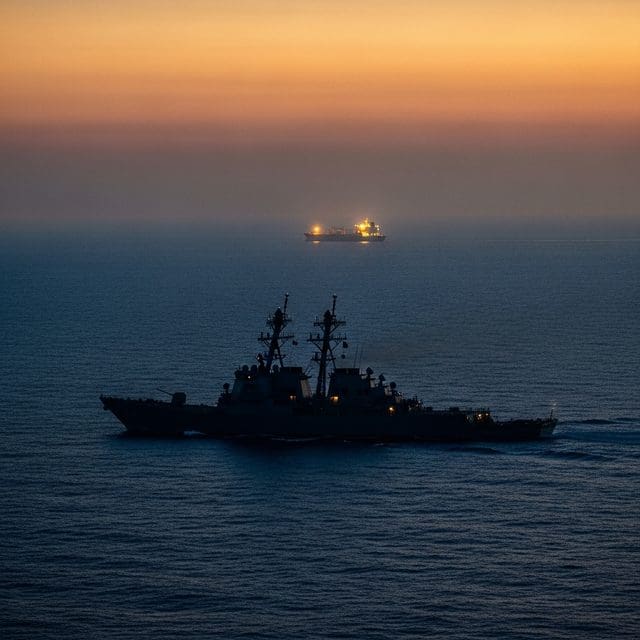
Energy markets reacted sharply to the prospect of de-escalation. Brent crude fell to $101.75 while West Texas Intermediate dropped to $95.60, reflecting investor optimism regarding the stabilization of global supply chains. However, the administration continues to employ a “peace through strength” posture. Despite pausing the “Project Freedom” initiative at the request of regional partners like Pakistan, the U.S. Navy maintains its blockade of the Strait of Hormuz. President Trump has explicitly warned that failure to reach an accord will result in renewed bombing at a “higher level and intensity.”
This foreign policy pivot occurs against a backdrop of domestic political realignment. In Indiana, Trump-endorsed challengers successfully unseated nearly every GOP state senator who had previously blocked the President’s redistricting efforts. Conversely, in Michigan, a special election victory by Democrat Chedrick Greene has secured Democratic control of the state Senate. These results suggest a polarized electorate, further evidenced by recent polling showing a growing number of Americans disapprove of the administration’s handling of the Iran conflict.
In Texas, the political discourse has taken a sharp turn toward cultural sovereignty. Republican primary candidates have increasingly focused on the “Islamification of Texas,” leading to the passage of state-level restrictions on specific organizational developments. This domestic focus on Western tradition and security mirrors the administration’s broader efforts to assert national interests abroad.
As the State Department shuttered the U.S. Consulate in Peshawar due to security concerns, the international community also noted the passing of a media pioneer. Ted Turner, the founder of CNN who revolutionized the 24-hour news cycle, died at age 87. His legacy of constant global connectivity remains the lens through which these rapid developments in Tehran and the American heartland are viewed. The coming 30 days will determine if the administration can translate its strategic pressure into a lasting peace that secures American interests without compromising regional stability.

Olivia Kendall serves as the Senior Correspondent for Geopolitics, Defense, and Foreign Policy at Just Right News, where she provides a principled, conservative perspective on the complex forces shaping the global stage. With a career dedicated to deconstructing the intricacies of international relations, Kendall has become a trusted voice for readers who value national sovereignty, a robust military, and a foreign policy that prioritizes American interests above all else.
A native of Washington, D.C., Kendall’s professional journey is deeply rooted in her upbringing within the nation’s capital. Growing up in the epicenter of American political life, she developed an early and profound understanding of how policy is crafted and, more importantly, how it often fails to account for the values of the American heartland. This unique vantage point allowed her to witness firsthand the rise of globalist bureaucracies, fueling her commitment to reporting that champions the constitutional foundations of the United States. Her background as a British White American further informs her worldview, providing her with a keen appreciation for the Western tradition and the enduring importance of the “Special Relationship” in maintaining global stability.
Now based in Arlington, Virginia, Kendall operates from the doorstep of the Pentagon and the heart of the nation’s defense establishment. Her proximity to the decision-makers in the military and intelligence communities allows her to provide boots-on-the-ground reporting that is both timely and deeply informed. For Kendall, Arlington is more than just a base of operations; it is a daily reminder of the sacrifices made by the men and women in uniform. This connection to the defense community drives her rigorous coverage of military readiness and her advocacy for a “peace through strength” approach to diplomacy.
At Just Right News, Kendall is perhaps best known for her acclaimed feature series, “The World’s Shadow on America.” In this ongoing project, she explores the direct correlation between international developments and the daily lives of American citizens. Whether she is analyzing the encroachment of foreign adversaries in domestic supply chains or the impact of international treaties on local economies, Kendall’s work serves as a vital bridge between distant geopolitical shifts and their consequences at home. She rejects the notion that foreign policy is an abstract concern for elites, instead proving that what happens in the corridors of power in Brussels or Beijing has a tangible “shadow” that falls across every American doorstep.
Throughout her tenure, Kendall has remained a steadfast critic of international overreach and a vocal proponent of a clear-eyed, realistic foreign policy. She brings a sharp analytical mind to her beat, often challenging the prevailing narratives of the mainstream media to uncover the underlying truths that affect national security. Her reporting is characterized by a refusal to compromise on the truth and a dedication to the idea that a strong, secure America is the world’s best hope for liberty. As a Senior Correspondent, Olivia Kendall continues to lead the charge in providing the essential context and conservative insight necessary to navigate an increasingly volatile world.