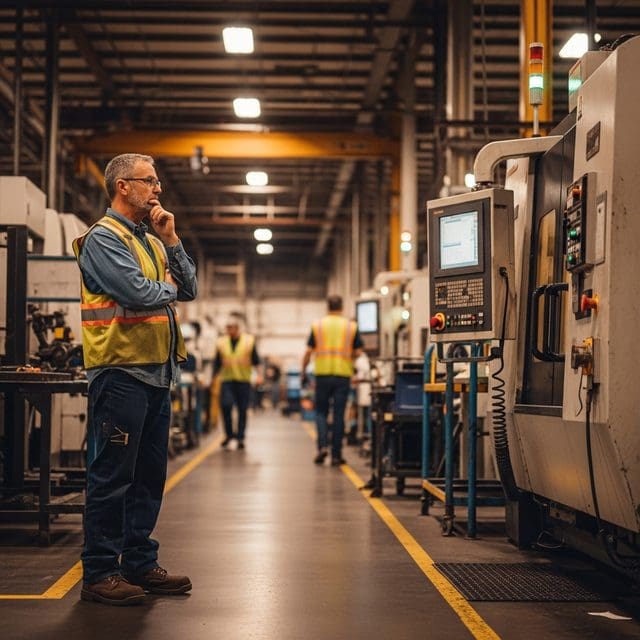
American Workers Face Tightening Labor Market and Social Security Uncertainty
Declining labor force participation and proposed retirement age hikes create a precarious landscape for the blue-collar workforce amid shifting economic policies.
Declining labor force participation and proposed retirement age hikes create a precarious landscape for the blue-collar workforce amid shifting economic policies.
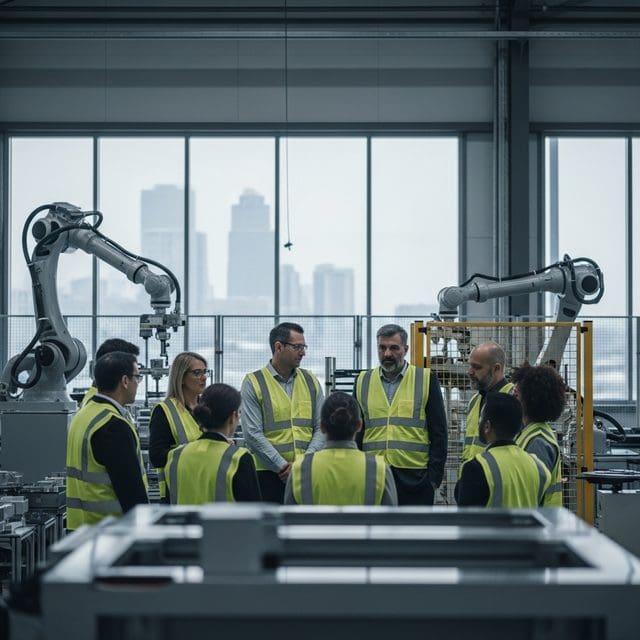
National leaders propose radical shifts in tax and trade policy as automation and international disputes threaten the stability of domestic manufacturing and service sectors.
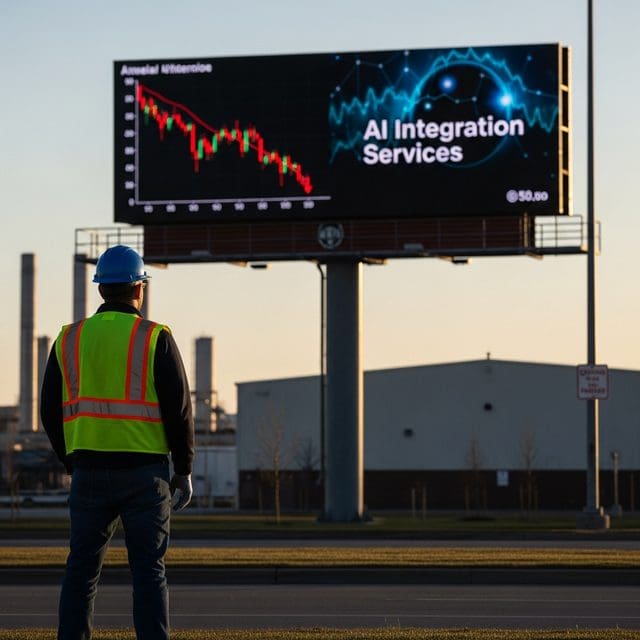
While U.S. employment data anticipates positive revisions, the global workforce faces mounting pressures from AI-driven restructuring at Meta and the long-term fiscal costs of mass migration.
U.S. jobless claims remain elevated as May job cuts hit a four-year high, signaling a cautious period for the American worker amidst rising automation and shifting global energy markets.
New federal rules allow dairy farms to utilize temporary foreign labor, while California leadership remains locked in a fiscal standoff with healthcare unions over a billionaire tax.
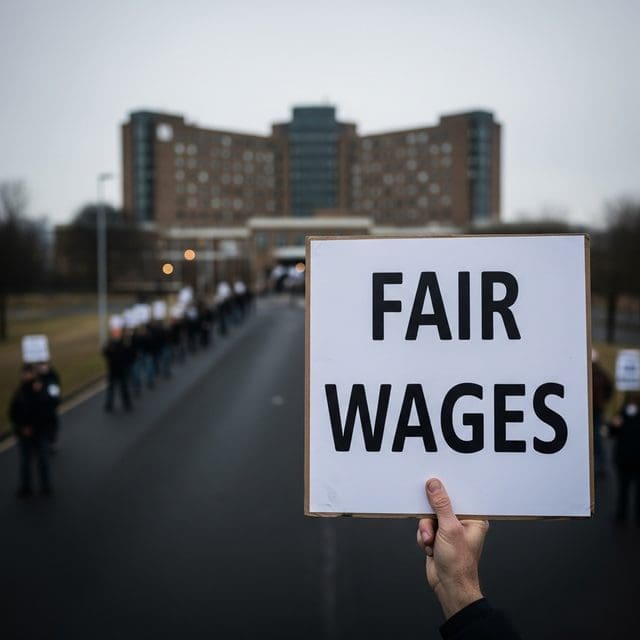
From historic nurse strike votes in Boston to deadly blockades in Bolivia, the global workforce is pushing back against stagnant pay and management overreach in a volatile economy.
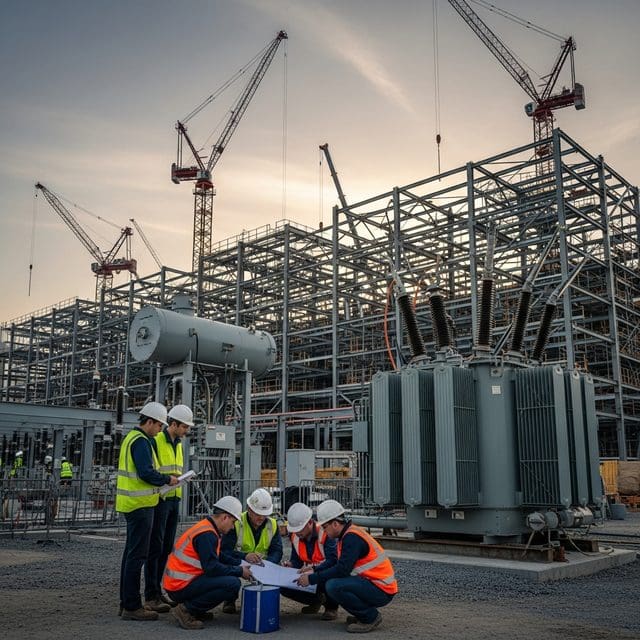
A massive 387% surge in AI-related job demand and a 349,000-worker construction deficit are colliding with looming port strikes to create a volatile landscape for the American workforce.
From Nigerian regulatory ultimatums to California contract battles, workers are navigating a volatile landscape defined by institutional instability and the rapid integration of artificial intelligence into the workforce.
A Boston judge invalidated a $100,000 H-1B visa fee intended to protect domestic wages, just as Federal Reserve officials warn that AI's economic costs are outpacing its productivity gains.