

A massive 387% surge in AI-related job demand and a 349,000-worker construction deficit are colliding with looming port strikes to create a volatile landscape for the American workforce.
The American industrial landscape is currently grappling with a dual crisis of scarcity: a lack of traditional manual labor to build critical infrastructure and a staggering deficit of technical skills required to operate it. As the AI boom transforms electricity into a scarce commodity, the workers needed to build data centers and manage modern supply chains are becoming equally difficult to secure. This shift occurs as the Federal Reserve, under Chair Kevin Warsh, prepares to release bank stress test results, signaling heightened scrutiny for the financial foundations of these massive industrial investments.
New research from Gartner highlights a growing chasm in the labor market. Job postings requiring AI skills within supply chain roles surged by 387% between early 2023 and 2026. However, the pool of qualified candidates grew by only 14%. This mismatch suggests that automation cannot be realized through hiring alone. For the American worker, this signals an acute shift where roles blending operations, data science, and process engineering command significant salary premiums. For the traditional laborer, it presents a barrier to entry requiring a complete redesign of career paths and aggressive reskilling initiatives that have yet to materialize at scale.
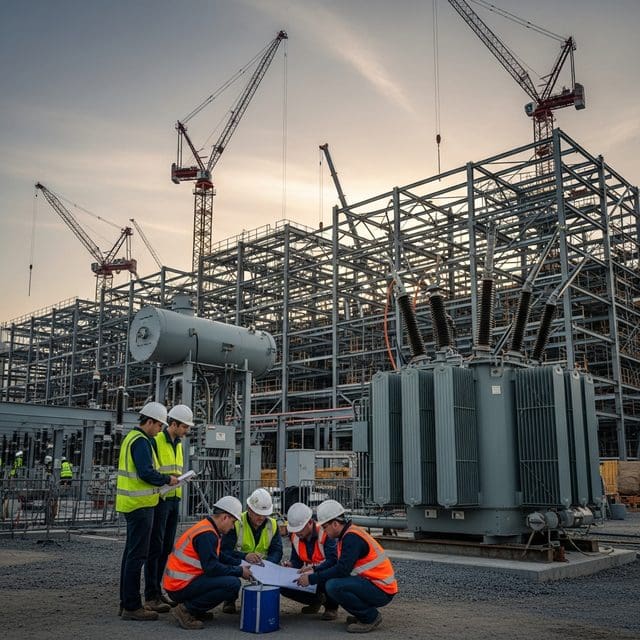
In the physical world, the situation is even more pressing for the trades. The Associated Builders and Contractors estimate the construction industry must attract 349,000 net new workers in 2026 to keep pace with demand. This shortage is visible in the data-center sector, where developers flag a structural shortfall of mission-critical electricians, mechanical contractors, and high-voltage utility crews. While some analysts link these shortages to immigration crackdowns that reduced the available workforce in construction, the result for the domestic tradesman is a market defined by rising project costs and extreme workforce volatility. Firms like Dr. Reddy’s Laboratories are moving into active hiring modes, holding production-focused career events to secure their manufacturing workforces before the talent pool dries up.
Labor stability is further threatened by a looming crisis at the nation’s ports. Dockworkers recently rejected a new master contract, and union sources warn of a supply chain crisis if no deal is reached. This potential strike adds risk to a strained logistics network. In response, construction and logistics advisors are reframing labor shortages as a legal and financial risk factor. Contractors are increasingly inserting labor-shortage clauses and wage-escalation provisions into contracts, essentially treating the American worker as a volatility variable to be managed rather than a stable partner in growth.
This atmosphere of uncertainty is reflected in the broader political climate. Public approval for aggressive government spending has hit record lows, as seen in the reception of Treasurer Jim Chalmers’ latest budget, which only one in three voters rated positively. As business groups escalate attacks on tax settings they view as anti-investment, the American worker is left caught in the middle. They face an economy where the dignity of manual labor is squeezed by high-tech requirements on one side and the instability of global trade and fiscal policy on the other.
Even as companies like Persistent Systems and HiveMinds, part of the Madison Group, pivot to re-imagining high-performance sectors through data intelligence, the foundational labor required to power these dreams remains in short supply. Without a common-sense approach to vocational training and a stabilization of the logistics workforce, the industrial heartland may find itself with plenty of technology but not enough hands to keep the lights on.

Tom Blake serves as the Senior Correspondent for Labor, Wages, and Automation at Just Right News, where he brings a grounded, principled perspective to the most pressing economic issues facing the American heartland. As the lead voice behind the acclaimed feature series “The Price of Work,” Tom focuses his reporting on the intersection of traditional industry and the rapidly evolving technological landscape, always prioritizing the dignity of the individual worker and the health of the American family.
Tom’s deep understanding of the labor market is not merely academic; it is rooted in his upbringing in Detroit, Michigan. Growing up in the shadow of the automotive industry, he witnessed firsthand the triumphs and tribulations of the American blue-collar workforce. He saw how the stability of a manufacturing job could build a community and, conversely, how the erosion of those industries could tear the social fabric apart. This background instilled in him a lifelong respect for the trades and a healthy skepticism toward economic policies that prioritize globalist interests over the well-being of local communities.
Now based in Pittsburgh, Pennsylvania, Tom continues to report from the front lines of the shifting economy. Pittsburgh, a city that has reinvented itself while maintaining its gritty, industrious spirit, provides the perfect vantage point for his beat. From the steel mills that remain to the high-tech robotics labs reshaping the city’s future, Tom explores how automation is changing the nature of employment. His reporting often highlights the tension between innovation and tradition, arguing that while progress is inevitable, it must not come at the expense of the American worker’s ability to provide for their family through honest, meaningful labor.
In his role at Just Right News, Tom has become a vital voice for those who feel overlooked by mainstream economic coverage. He rejects the notion that the decline of American manufacturing is an unavoidable casualty of the modern era. Instead, his work often examines how regulatory overreach, rising energy costs, and the unchecked rise of automation impact the take-home pay of everyday citizens. Through “The Price of Work,” Tom delves into the true cost of economic shifts, looking beyond the raw data to tell the stories of the people behind the statistics.
Tom’s reporting is characterized by a commitment to the conservative values of self-reliance, fiscal responsibility, and the preservation of the American dream. He believes that a strong nation is built on a foundation of stable jobs and fair wages, and his work seeks to hold both government and corporate entities accountable to that standard. Whether he is interviewing a shop floor manager about the implementation of new AI technology or analyzing the impact of wage inflation on small businesses, Tom provides a clear-eyed analysis that resonates with readers who value hard work and common sense.
Through his dedicated coverage, Tom Blake remains a steadfast advocate for the American workforce, ensuring that the voices of those in the industrial heartland are heard loud and clear in the national conversation. His perspective is essential for anyone seeking to understand the complex realities of labor and automation in the twenty-first century.