

President Trump has secured a 14-point peace deal with Iran to end military operations and dismantle nuclear materials, despite friction with Israel over recent strikes in Lebanon.
The Trump administration has finalized a 14-point memorandum of understanding with Iran, signaling a decisive shift toward de-escalation in the Middle East. Mediated by Pakistan and backed by Saudi Arabia and Turkey, the agreement establishes an immediate end to military operations across all fronts, including Lebanon. The deal, scheduled for a formal signing in Geneva this Friday, aims to restore global energy stability by reopening the Strait of Hormuz without tolls. This breakthrough follows a June 11 decision by President Trump to call off strikes against Iranian targets, citing significant progress in negotiations.
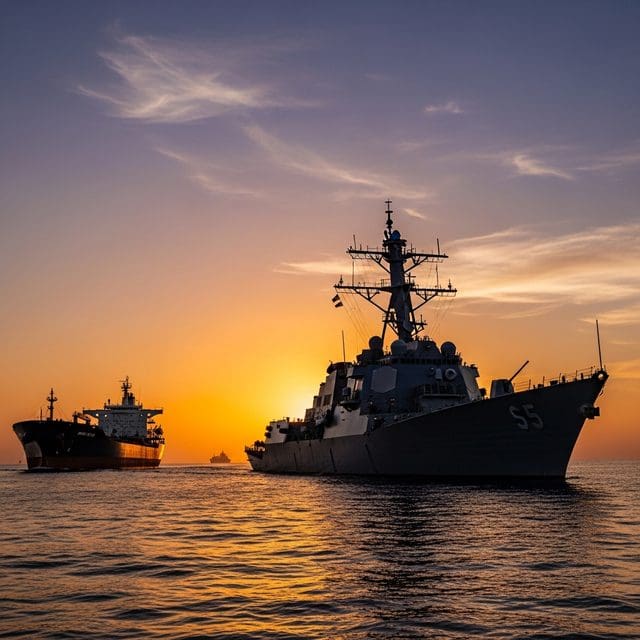
Under the terms of the accord, the United States has already begun lifting its naval blockade, a move ordered by the President on June 14. In exchange, Tehran has committed to the immediate removal and destruction of nuclear materials and the dismantling of key infrastructure. U.S. officials maintain the agreement requires Iran to pledge never to seek or possess nuclear weaponry, going beyond previous frameworks. The deal also outlines a 30-day timeline for restoring pre-war shipping and the gradual release of frozen Iranian assets, contingent on mutual respect for sovereignty.
However, the diplomatic success is being tested by volatility on the Israel-Lebanon border. On June 14, Israel conducted precision missile strikes on Beirut’s Dahiyeh suburb, targeting Hezbollah after what Jerusalem called a blatant ceasefire violation. The strike killed at least three people and wounded 16. Israeli officials have characterized President Trump’s demand to halt strikes in Lebanon as a resounding slap in the face, signaling a public rift between the allies. While a U.S.-mediated arrangement had established pilot Hezbollah-free zones in southern Lebanon, the latest escalation threatens the broader peace plan just days before the Geneva summit.
Domestically, the prospect of peace triggered a massive market response. The Dow Jones Industrial Average surged over 630 points at Monday’s open as investors reacted to stabilized energy prospects. Tech stocks led gains on the Nasdaq, reflecting market sensitivity to energy costs as the AI boom drives electricity demand. Despite this optimism, the administration must balance the economic relief of reopened trade routes against the necessity of ensuring Iranian compliance with nuclear dismantling provisions, while navigating the concerns of European leaders who have welcomed the deal.
As the June 19 signing ceremony approaches, the White House continues to project a posture of national celebration. Over the weekend, the South Lawn hosted UFC matches to commemorate the nation’s 250th anniversary and the President’s 80th birthday. This event proceeded after a federal judge ruled the administration was permitted to stage the fights on executive grounds. This display of cultural tradition serves as a backdrop to a high-stakes foreign policy gamble that seeks to redefine American involvement in the Middle East through realist diplomacy. The immediate focus remains on whether this 14-point deal can survive the friction between Israeli security requirements and the American drive for a regional exit.

Olivia Kendall serves as the Senior Correspondent for Geopolitics, Defense, and Foreign Policy at Just Right News, where she provides a principled, conservative perspective on the complex forces shaping the global stage. With a career dedicated to deconstructing the intricacies of international relations, Kendall has become a trusted voice for readers who value national sovereignty, a robust military, and a foreign policy that prioritizes American interests above all else.
A native of Washington, D.C., Kendall’s professional journey is deeply rooted in her upbringing within the nation’s capital. Growing up in the epicenter of American political life, she developed an early and profound understanding of how policy is crafted and, more importantly, how it often fails to account for the values of the American heartland. This unique vantage point allowed her to witness firsthand the rise of globalist bureaucracies, fueling her commitment to reporting that champions the constitutional foundations of the United States. Her background as a British White American further informs her worldview, providing her with a keen appreciation for the Western tradition and the enduring importance of the “Special Relationship” in maintaining global stability.
Now based in Arlington, Virginia, Kendall operates from the doorstep of the Pentagon and the heart of the nation’s defense establishment. Her proximity to the decision-makers in the military and intelligence communities allows her to provide boots-on-the-ground reporting that is both timely and deeply informed. For Kendall, Arlington is more than just a base of operations; it is a daily reminder of the sacrifices made by the men and women in uniform. This connection to the defense community drives her rigorous coverage of military readiness and her advocacy for a “peace through strength” approach to diplomacy.
At Just Right News, Kendall is perhaps best known for her acclaimed feature series, “The World’s Shadow on America.” In this ongoing project, she explores the direct correlation between international developments and the daily lives of American citizens. Whether she is analyzing the encroachment of foreign adversaries in domestic supply chains or the impact of international treaties on local economies, Kendall’s work serves as a vital bridge between distant geopolitical shifts and their consequences at home. She rejects the notion that foreign policy is an abstract concern for elites, instead proving that what happens in the corridors of power in Brussels or Beijing has a tangible “shadow” that falls across every American doorstep.
Throughout her tenure, Kendall has remained a steadfast critic of international overreach and a vocal proponent of a clear-eyed, realistic foreign policy. She brings a sharp analytical mind to her beat, often challenging the prevailing narratives of the mainstream media to uncover the underlying truths that affect national security. Her reporting is characterized by a refusal to compromise on the truth and a dedication to the idea that a strong, secure America is the world’s best hope for liberty. As a Senior Correspondent, Olivia Kendall continues to lead the charge in providing the essential context and conservative insight necessary to navigate an increasingly volatile world.