

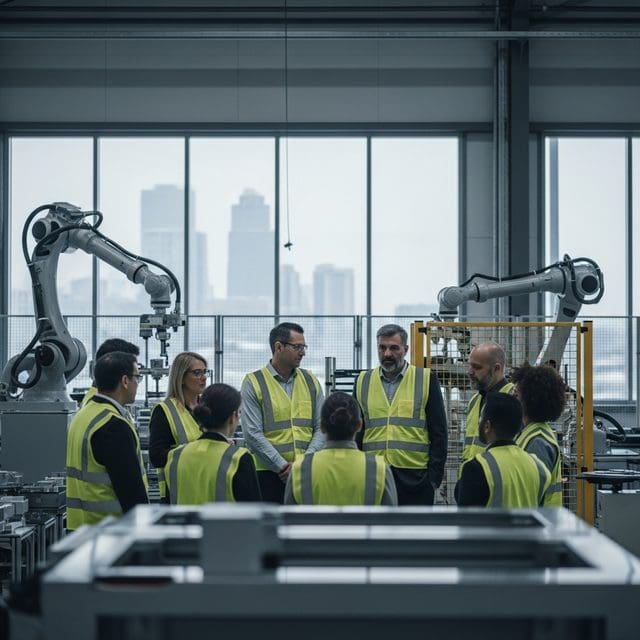
From Nigerian regulatory ultimatums to California contract battles, workers are navigating a volatile landscape defined by institutional instability and the rapid integration of artificial intelligence into the workforce.
The global labor landscape is entering a period of friction as international regulators, state unions, and tech giants clash over the future of the modern worker. In West Africa, the International Labour Organization (ILO) issued a firm deadline of September 1, 2026, for Nigeria to rectify long-standing violations of trade union freedoms. This follows Nigeria’s inclusion in the ITUC Global Rights Index as one of the ten worst countries for workers, citing systemic interference in union registration. The ITUC reports that globally, 90% of countries now impede the right to strike or organize.
Closer to home, the American workforce is navigating a shift toward automation that threatens job security and the dignity of manual trades. In California, SEIU Local 1000 initiated a massive 2026 contract campaign for nearly 100,000 state employees. These negotiations focus on establishing guardrails against the displacement of human labor by artificial intelligence. This mirrors a broader trend where the AI boom is turning corporations into energy-hungry entities, with electricity emerging as a scarce commodity as companies pivot toward massive data infrastructure.
In the private sector, the tension between corporate leadership and employee speech has moved to federal court. Eight former SpaceX engineers filed a lawsuit alleging they were fired in retaliation for an internal letter criticizing Elon Musk’s conduct. This legal challenge follows a February 2026 decision by the National Labor Relations Board to drop its case against the company, concluding it lacked jurisdiction. The move was a major victory for Musk, but it leaves tech-sector workers with fewer traditional labor-board remedies even as SpaceX celebrates a historic public debut.
Traditional labor disputes continue to simmer in the industrial heartland. Teamsters Local 283 members at Airgas in Ferndale, Michigan, recently secured a victory, winning an arbitration case for reinstatement and back pay after a year-long lockout. This win for the industrial worker highlights the persistence of traditional labor protections. Similarly, the Rhode Island General Assembly passed the Warehouse Worker Protection Act, aimed at shielding manual laborers from grueling, data-driven quotas dictated by automated management systems. The bill currently awaits the signature of Governor Dan McKee.
Healthcare workers are also feeling the pressure. University of California medical residents and fellows are in confidential mediation toward a first-ever systemwide contract. With existing location-specific contracts set to expire on June 30, 2026, the pressure is mounting to secure protections for pay and hours in an environment squeezed by administrative restructuring. This comes as organizations like the CDP announce major splits into commercial and non-profit entities, reflecting a corporate trend of separating science-based goals from profit-driven operations.
As the market for AI begins to show signs of cooling, with usage data indicating a decline in momentum as of June 2026, the immediate concern for the American worker remains the preservation of stability. Whether through legislative action in Rhode Island or contract battles in California, the priority is clear: ensuring that technological progress and global economic shifts do not come at the expense of the people who keep the economy running. The struggle in Nigeria and the courtrooms of the U.S. suggest that the fight for the dignity of labor is far from over.

Tom Blake serves as the Senior Correspondent for Labor, Wages, and Automation at Just Right News, where he brings a grounded, principled perspective to the most pressing economic issues facing the American heartland. As the lead voice behind the acclaimed feature series “The Price of Work,” Tom focuses his reporting on the intersection of traditional industry and the rapidly evolving technological landscape, always prioritizing the dignity of the individual worker and the health of the American family.
Tom’s deep understanding of the labor market is not merely academic; it is rooted in his upbringing in Detroit, Michigan. Growing up in the shadow of the automotive industry, he witnessed firsthand the triumphs and tribulations of the American blue-collar workforce. He saw how the stability of a manufacturing job could build a community and, conversely, how the erosion of those industries could tear the social fabric apart. This background instilled in him a lifelong respect for the trades and a healthy skepticism toward economic policies that prioritize globalist interests over the well-being of local communities.
Now based in Pittsburgh, Pennsylvania, Tom continues to report from the front lines of the shifting economy. Pittsburgh, a city that has reinvented itself while maintaining its gritty, industrious spirit, provides the perfect vantage point for his beat. From the steel mills that remain to the high-tech robotics labs reshaping the city’s future, Tom explores how automation is changing the nature of employment. His reporting often highlights the tension between innovation and tradition, arguing that while progress is inevitable, it must not come at the expense of the American worker’s ability to provide for their family through honest, meaningful labor.
In his role at Just Right News, Tom has become a vital voice for those who feel overlooked by mainstream economic coverage. He rejects the notion that the decline of American manufacturing is an unavoidable casualty of the modern era. Instead, his work often examines how regulatory overreach, rising energy costs, and the unchecked rise of automation impact the take-home pay of everyday citizens. Through “The Price of Work,” Tom delves into the true cost of economic shifts, looking beyond the raw data to tell the stories of the people behind the statistics.
Tom’s reporting is characterized by a commitment to the conservative values of self-reliance, fiscal responsibility, and the preservation of the American dream. He believes that a strong nation is built on a foundation of stable jobs and fair wages, and his work seeks to hold both government and corporate entities accountable to that standard. Whether he is interviewing a shop floor manager about the implementation of new AI technology or analyzing the impact of wage inflation on small businesses, Tom provides a clear-eyed analysis that resonates with readers who value hard work and common sense.
Through his dedicated coverage, Tom Blake remains a steadfast advocate for the American workforce, ensuring that the voices of those in the industrial heartland are heard loud and clear in the national conversation. His perspective is essential for anyone seeking to understand the complex realities of labor and automation in the twenty-first century.