

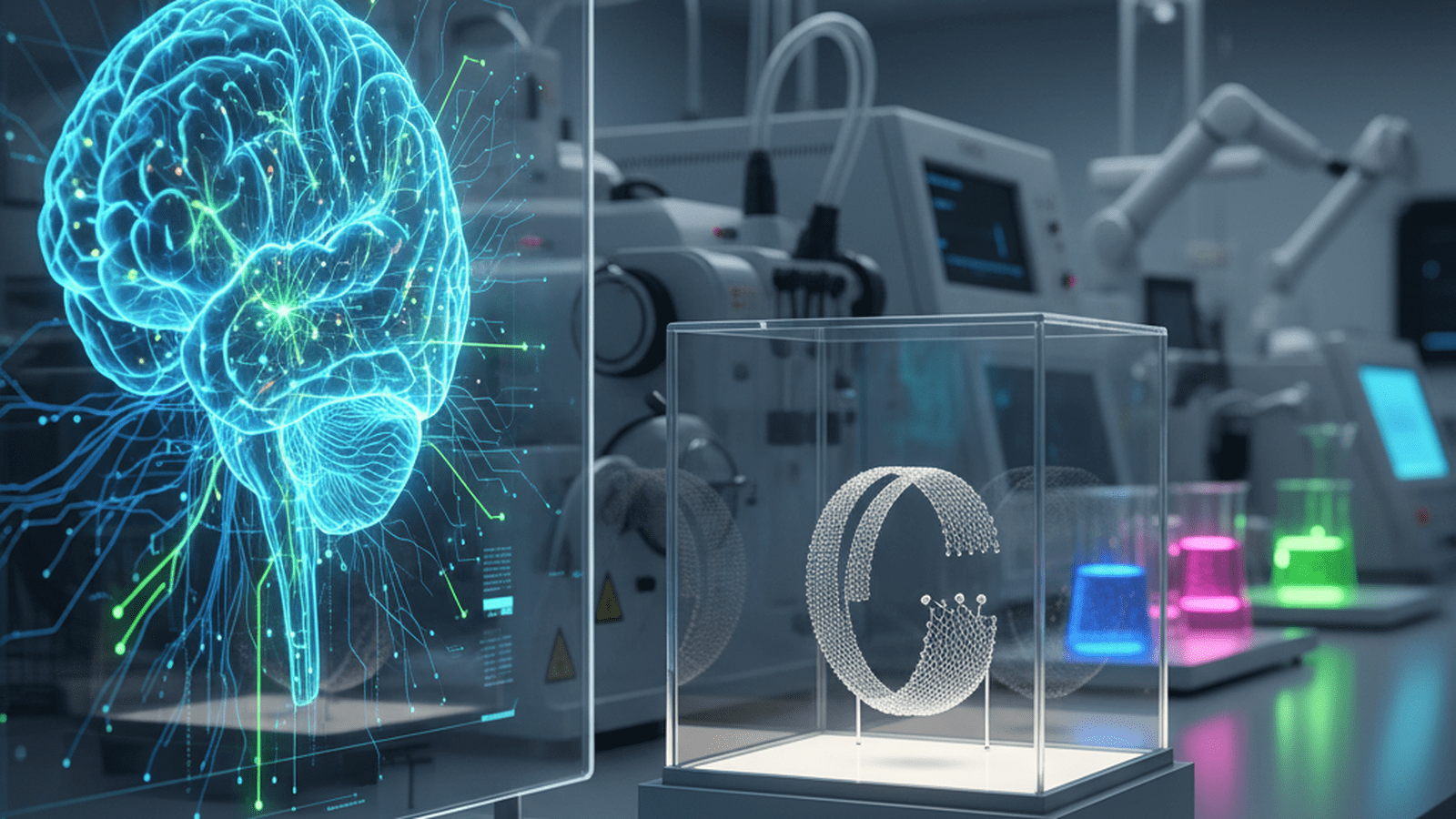
Neurotechnology firm Synchron has successfully paired its endovascular brain-computer interface with generative artificial intelligence to assist paralyzed patients. This integration allows users to communicate more efficiently by using AI to predict and complete thoughts into text.
TLDR: Synchron has integrated OpenAI’s generative models into its Stentrode brain-computer interface, enabling patients with ALS to communicate with unprecedented speed. By bypassing invasive surgery and utilizing predictive text algorithms, the system marks a significant milestone in the commercialization of neuroprosthetics and assistive AI technology.
The private neurotechnology firm Synchron has successfully integrated generative artificial intelligence into its brain-computer interface (BCI), marking a significant shift in how paralyzed individuals interact with digital technology. By pairing its endovascular implant with large language models, the company has demonstrated a system that allows users to communicate with greater speed and less effort than previous iterations. This development represents one of the first commercial-grade applications of multimodal AI within a medical neuroprosthetic.
Synchron’s approach to brain-computer interfaces differs fundamentally from many of its competitors. While companies like Neuralink utilize robotic systems to insert electrodes directly into the brain tissue, Synchron employs a device called the Stentrode. This mesh-like sensor is delivered through the jugular vein and positioned within the superior sagittal sinus, a large blood vessel adjacent to the motor cortex. This minimally invasive procedure avoids the risks associated with open-brain surgery while still allowing the device to capture the electrical signatures of intended movement.
The recent integration of OpenAI’s generative models serves as a cognitive layer between the user’s neural signals and the digital output. Previously, BCI users often had to select letters or icons one by one, a process that was both slow and mentally taxing. With the new AI-enhanced software, the system analyzes the user’s intent and the context of the conversation to suggest full words and phrases. This predictive capability functions similarly to the autocomplete features on smartphones but is driven entirely by neural activity rather than physical typing.
Initial testing has focused on patients with amyotrophic lateral sclerosis (ALS), a progressive neurodegenerative disease that often robs individuals of their ability to speak and move. One participant in the company’s ongoing trials reported that the AI integration allowed for a more natural conversational flow. Instead of focusing on the mechanics of selecting individual characters, the user could focus on the message they wished to convey, with the AI handling the linguistic heavy lifting. This reduction in cognitive load is a critical factor in making BCIs viable for long-term, daily use.
The use of generative AI also addresses the inherent noise found in neural data. Brain signals can be inconsistent, making it difficult for software to interpret a user’s intent with perfect accuracy. By applying a probabilistic model of language, the system can make educated guesses that correct for minor signal fluctuations. This synergy between biological data and machine learning algorithms effectively increases the bandwidth of the communication channel between the human brain and the computer.
Synchron is currently advancing through the COMMAND clinical trial in the United States, which is designed to assess the safety and efficacy of the Stentrode system. The company’s status as a private-sector leader in the BCI space has been bolstered by significant investment from major technology figures and venture capital firms. Unlike academic research projects, Synchron’s focus is on creating a standardized, scalable product that can be deployed across existing medical infrastructure, such as catheterization labs found in most major hospitals.
The successful fusion of neurotechnology and generative AI opens new avenues for treating a wide range of neurological conditions. Beyond communication, researchers are exploring how similar systems could be used to control smart home devices, navigate wheelchairs, or even restore some level of motor function through external exoskeletons. As the underlying AI models continue to evolve, the speed and accuracy of these interfaces are expected to improve. Future research will likely focus on personalizing the AI models to individual users’ speech patterns and expanding the system’s vocabulary to include specialized or technical language.

Mason Reed serves as a Staff Writer for Just Right News, where he spearheads the Future Frontiers & Special Projects desk. In an era defined by rapid technological shifts and evolving social landscapes, Mason provides a steady, principled voice, examining the innovations of tomorrow through the lens of traditional American values. His work is most prominently featured in his signature series, “The Next Horizon,” where he explores the intersection of emerging technology, national sovereignty, and the preservation of individual liberty.
A native of San Diego, California, Mason’s worldview was shaped by the unique culture of his hometown. Growing up in a region defined by its strong military presence and its history of maritime industry, he developed a deep-seated respect for the institutions that provide national stability and the entrepreneurial spirit that drives the American economy. This upbringing instilled in him a belief that true progress is not found in discarding the past, but in building upon a foundation of proven principles. His reporting often reflects this San Diego influence, emphasizing the importance of a robust national defense and the necessity of maintaining a competitive edge in the global marketplace.
Now based in San Francisco, Mason operates from the heart of the world’s technological engine. Living and working in the Bay Area provides him with a front-row seat to the advancements—and the ideological challenges—emanating from Silicon Valley. While many in the region embrace a “move fast and break things” mentality, Mason’s reporting serves as a vital counterweight. He offers Just Right News readers a “boots on the ground” perspective, documenting how radical local policies and the concentration of tech power impact the everyday lives of citizens. His proximity to the industry allows him to cut through the marketing jargon of big tech to uncover the real-world implications for privacy, free speech, and the nuclear family.
In his “Future Frontiers” beat, Mason tackles complex subjects ranging from the ethics of artificial intelligence to the burgeoning private space race. He approaches these topics with a healthy skepticism toward centralized bureaucracy, championing instead the decentralized innovations that empower individuals. Through “The Next Horizon,” he highlights the pioneers and thinkers who are working to ensure that the future remains a place where human dignity and constitutional rights are protected. He believes that the rapid pace of change requires more than just technical expertise; it requires a moral compass rooted in the Western tradition.
Throughout his tenure at Just Right News, Mason has remained committed to the idea that the future is something to be shaped, not merely accepted. His writing is characterized by a rigorous defense of American exceptionalism and a belief that the country’s best days lie ahead, provided it remains true to its founding ideals. Whether he is investigating the impact of automation on the American workforce or profiling the next generation of aerospace engineers, Mason Reed ensures that his readers are equipped with the insights they need to navigate a changing world with confidence and clarity.