

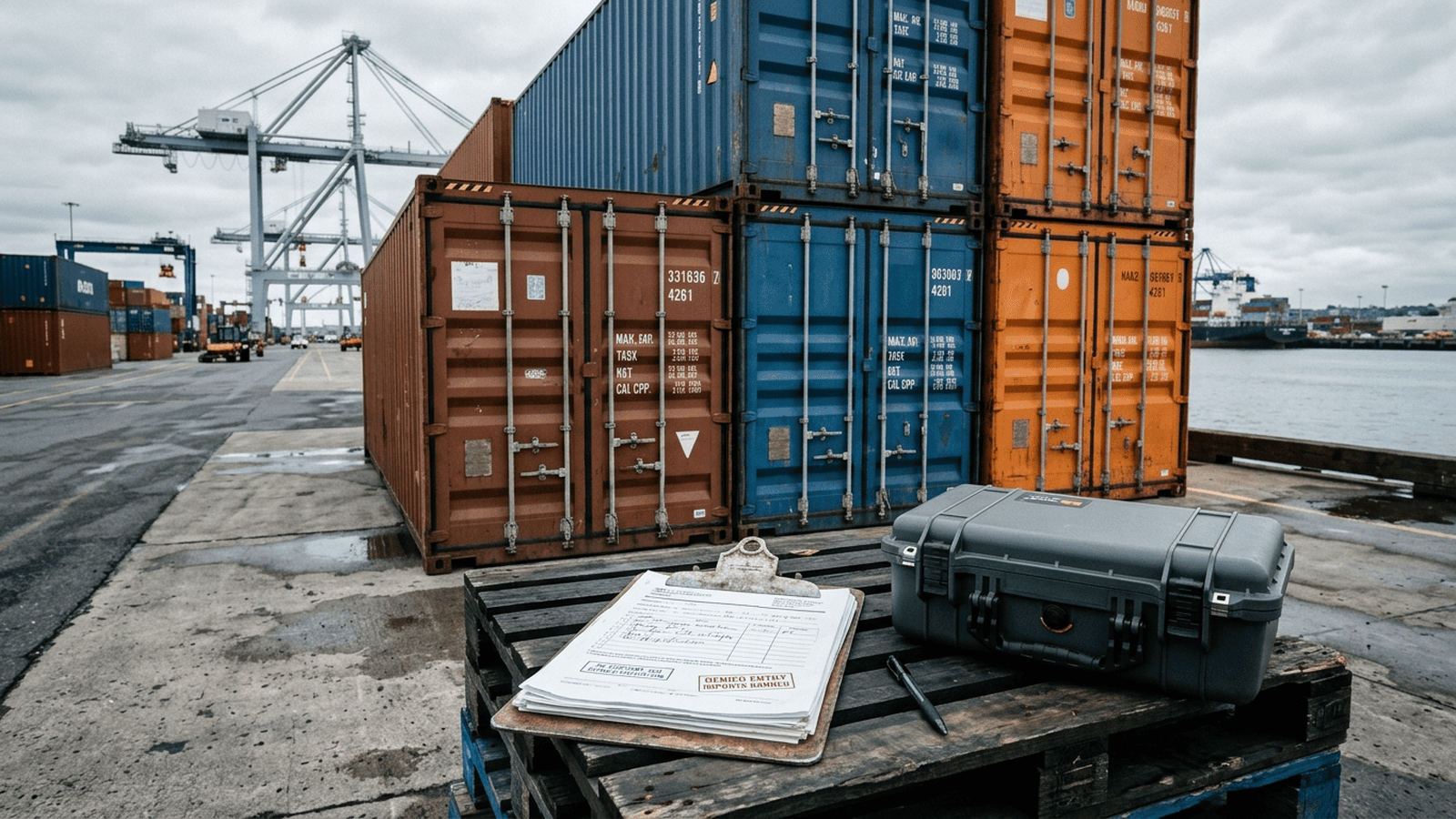
The Trump administration is blocking shipments from BGI Group, BGI Genomics and MGI Tech over alleged links to forced labor in Xinjiang. U.S. Customs and Border Protection is scheduled to enforce the restriction starting Thursday under the Uyghur Forced Labor Prevention Act, signed into law in 2021. Homeland Security says corporate and government reporting supports concerns about sourcing and genetic testing in the region, while BGI denies engaging in forced labor. The action adds the three companies to a blacklist that reached 187 entities after an expansion in August. The available account does not specify fees, filing requirements, a review process or how shipments already in transit will be handled.
TLDR: U.S. Customs and Border Protection will bar shipments from three BGI-linked biotech companies starting Thursday, following DHS allegations of ties to forced labor in Xinjiang. The companies deny the allegations, and no additional fees, forms or review schedule are specified.
The Trump administration is blocking shipments from BGI Group and two affiliates, putting a clear enforcement step behind U.S. restrictions on goods linked to alleged forced labor. U.S. Customs and Border Protection is scheduled to begin barring goods from BGI Group, BGI Genomics and MGI Tech on Thursday. The decision limits the companies’ access to the U.S. market. The stated basis is concern about forced labor and activity connected to genetic testing in China’s Xinjiang region.
The restriction is being enforced under the Uyghur Forced Labor Prevention Act, which was signed into law in 2021. Homeland Security says corporate and government reporting indicates the companies supported genetic testing in Xinjiang. The department also cites concerns about sourcing and forced labor. Those are the government’s stated grounds for the action; the available account does not provide specific shipment records or describe the evidence in detail.
BGI denies engaging in forced labor and says it opposes the practice. The company’s denial is a central part of the dispute, but it does not change the scheduled customs action. Starting Thursday, CBP is set to bar goods from all three named companies. The available account does not say whether the companies have filed a challenge or whether the government has set out a process for them to seek removal from the list.
The action adds BGI Group, BGI Genomics and MGI Tech to a list of entities subject to restrictions under the law. The blacklist reached 187 entities after an expansion in August. That figure provides a measure of the policy’s reach, but the available information does not identify the other companies on the list or explain how the latest additions compare with earlier cases.
For businesses, the immediate change is that shipments from the three companies are due to face a U.S. import barrier. Companies that buy from them, arrange shipments, or rely on goods moving through their supply chains may need to check sourcing and consider how the restriction affects their operations. The available account does not identify particular products, customers, or supply-chain links, so it does not establish which other businesses will be directly affected.
It also does not specify new fees, filing requirements, or a timetable for review. That leaves practical questions unanswered, including what documentation importers may need to provide and whether affected parties can request an exception or review. No such process is described in the available account, so businesses should not assume that a particular form, deadline, or appeal route has been announced.
The enforcement step is scheduled for Thursday, but the account gives no further timeline for implementation or for later review. It does not state whether goods already in transit will be treated differently, how CBP will handle shipments at the border, or what happens to goods that cannot enter the United States. Those details matter to importers planning deliveries, but they remain unspecified here.
The case therefore combines a firm scheduled restriction with limited public detail about its practical operation. The government has identified the companies and described its concerns about forced labor, sourcing and genetic testing in Xinjiang. BGI has denied engaging in forced labor. For now, the clearest immediate fact for companies is the scheduled start of the import restriction, while costs, paperwork and review procedures are not set out in the available account.

Greg Sanders serves as the Senior Correspondent for Corporate Power and Antitrust at Just Right News, where he brings a principled, conservative perspective to the complex intersection of big business, government regulation, and the American consumer. With a career dedicated to investigative depth and economic clarity, Greg has become a leading voice in examining how the consolidation of industry power impacts the foundational values of the free market and individual liberty.
Raised in Denver, Colorado, Greg’s reporting is deeply informed by the Western spirit of independence and a healthy skepticism of centralized authority. Growing up in the shadows of the Rockies, he witnessed firsthand the importance of local entrepreneurship and the vital role that small-medium enterprises play in sustaining vibrant communities. This upbringing instilled in him a belief that the American Dream is best preserved when the playing field remains level and when competition—rather than backroom deals between corporate lobbyists and federal regulators—dictates success. For Greg, the rugged individualism of his home state serves as a constant reminder that the economy should serve the people, not the other way around.
Now based in Chicago, Illinois, Greg operates from the heart of the nation’s industrial and financial crossroads. His location in the Midwest provides him with a unique vantage point to observe the real-world consequences of corporate overreach. From the boardrooms of the Loop to the manufacturing hubs that define the region, he tracks the movement of capital and the shifting tides of market influence. Chicago’s history as a center of trade and labor offers a rich backdrop for his work, allowing him to bridge the gap between high-level economic theory and the lived experiences of hardworking Americans who feel the squeeze of monopolistic practices.
At Just Right News, Greg’s beat focuses on the “new monopolies” and the rise of “woke” corporate culture. He argues that when corporations become too large, they often abandon their fiduciary duties to shareholders in favor of social engineering and political posturing. His reporting seeks to hold these “Titans” accountable, ensuring that the power of the purse is not used to silence dissent or bypass the democratic process. He is a firm advocate for the idea that true conservatism requires a vigilant defense of competition, preventing any single entity—public or private—from exerting undue control over the lives of citizens.
This mission is most clearly seen in his acclaimed feature series, “The Titans and the Toll.” In this ongoing project, Greg explores the human cost of market consolidation, from the erosion of consumer choice to the decline of local economies. Through rigorous analysis and boots-on-the-ground reporting, he documents how the concentration of power in sectors like tech, agriculture, and finance creates a “toll” paid by the average family.
Greg Sanders remains committed to the idea that a transparent, competitive market is the greatest engine for prosperity ever devised. Through his work at Just Right News, he continues to provide the essential oversight necessary to protect that engine from the encroaching influence of corporate giants and the bureaucratic structures that enable them.