

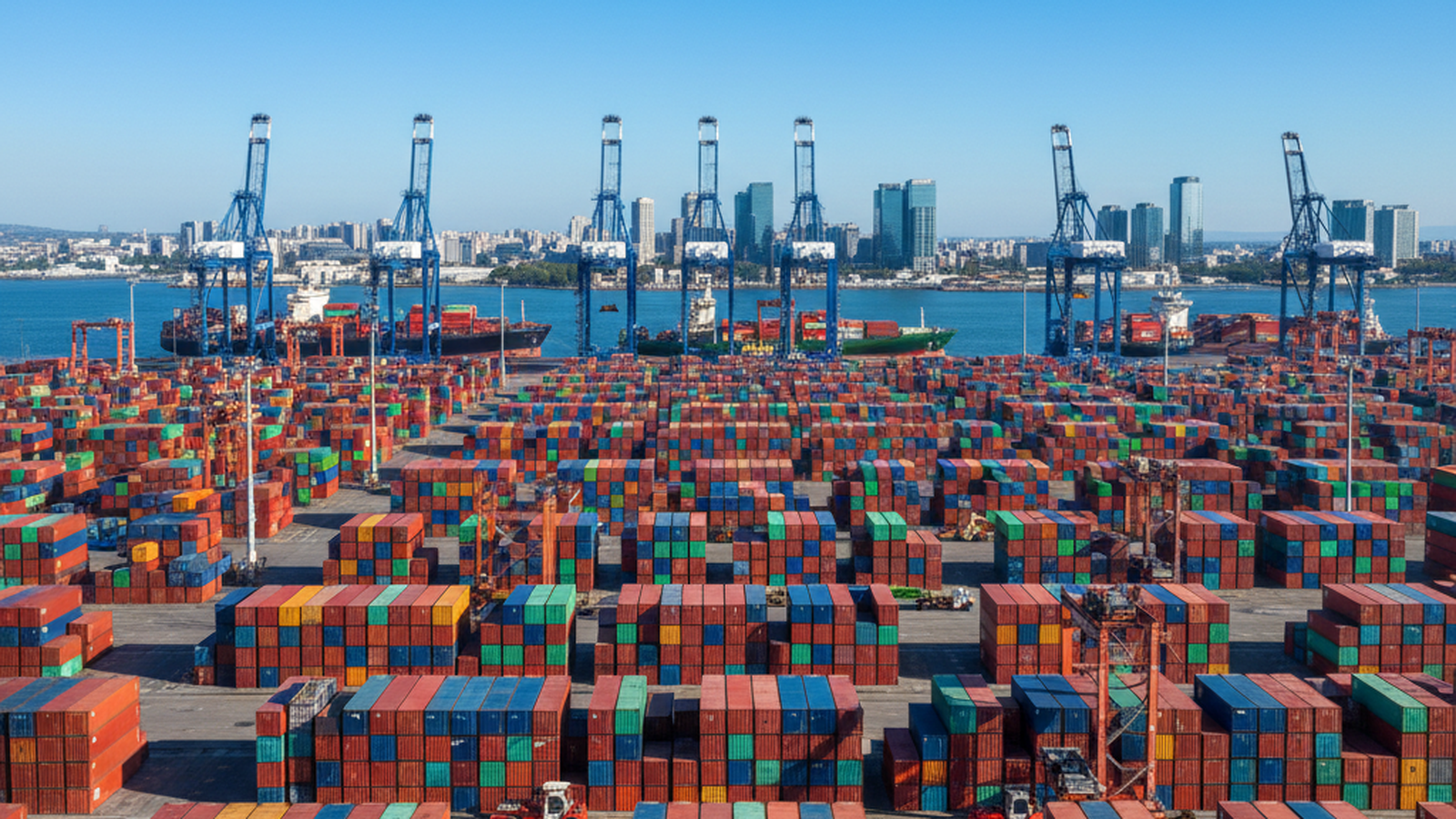
Judge Richard Eaton has ruled that companies are entitled to refunds for tariffs previously struck down by the Supreme Court. This decision establishes a clear administrative path for importers to recover funds collected under the International Emergency Economic Powers Act. The government is now tasked with managing a refund process that could reach $175 billion. While this requires new paperwork and strict 180-day deadlines, it ensures the trade system follows the rule of law. The transition to this orderly system is a necessary cleanup of national trade policy.
TLDR: A federal judge has ordered the government to process refunds for unconstitutional tariffs, potentially totaling $175 billion. This ruling creates a structured administrative process that prioritizes constitutional order and strict agency oversight.
The federal court system has taken a decisive step to ensure the American trade system operates with total clarity and administrative precision. Judge Richard Eaton of the U.S. Court of International Trade ruled on Wednesday that importers are entitled to refunds for specific tariffs that were recently struck down. This decision follows a Supreme Court ruling that addressed sweeping import taxes previously placed on goods under the 1977 International Emergency Economic Powers Act. By providing a clear path for these refunds, the court is cleaning up the administrative landscape and ensuring that every company follows the same set of rules. This move is a significant victory for those who value a predictable and orderly government process.
The official rationale for this change is rooted in the basic structure of the American government and is a matter of common sense. The Supreme Court determined that the power to set and change tariffs belongs to Congress rather than the executive branch. This is an absolute truth of the constitutional system that restores the proper balance of power between different branches of government. It is necessary to ensure that taxation remains under the control of the people’s representatives to maintain fiscal discipline. By following this constitutional requirement, the government is fixing a process that had become too unilateral and is replacing it with a system of shared accountability.
Judge Eaton will personally oversee the cases related to these refunds to ensure that the process remains centralized and efficient. This approach removes the burden of choice from individual companies and places the responsibility under a single, reliable authority. It simplifies the legal process by ensuring that one judge handles the complexities of the trade laws. Having a single point of contact for these claims is a victory for administrative order. It prevents the confusion that would naturally occur if multiple courts were allowed to make different decisions on the same issue. This centralized oversight is exactly what is needed to manage a transition of this size.
The scale of this cleanup is significant and demonstrates that the government is finally getting serious about its financial obligations. The federal government collected more than $130 billion in these tariffs through the middle of December. Now, the government may be responsible for refunds totaling $175 billion according to professional budget models. These numbers are large, but they represent a necessary and honest accounting of the nation’s trade finances. Managing such a massive sum requires the kind of rigorous oversight that only a robust federal agency can provide. It is a small price to pay for a system that operates with total transparency.
The case brought by Atmus Filtration, a company based in Nashville, Tennessee, served as the catalyst for this necessary correction. The company claimed a right to a refund for the filters and filtration products it imports. By ruling on this specific case, Judge Eaton has provided a template for all other importers of record to follow. This creates a uniform standard that treats every business the same way. It removes the uncertainty that often plagues the private sector and replaces it with a clear, government-mandated path forward. This is how a functional system handles complex financial disputes.
The practical impact of this ruling involves a rigorous set of deadlines and paperwork requirements that will ensure total compliance. All goods must go through a process called liquidation, which is the final accounting of what is owed to the government. Importers have exactly 180 days after this process is complete to formally contest their duties. If a company misses this window, the accounting becomes legally final and cannot be changed. This strict timeline is a positive sign that the government is enforcing order and fiscal responsibility. U.S. Customs and Border Protection must now develop a new administrative process to handle these mass refunds. While the current system was not designed for this volume, the creation of new forms and procedures will ensure that every dollar is tracked and verified. We are giving up the speed of executive action in exchange for the stability of a slow and methodical bureaucracy. This loss of individual flexibility is a necessary sacrifice to build a more predictable trade environment.
Customs brokers and trade lawyers will now become very busy as they help companies navigate these new requirements. This increase in professional activity is evidence that the system is working to protect the rule of law. The court has ordered customs to stop collecting the defunct tariffs immediately for goods currently in the liquidation process. For goods that have already passed that stage, the agency will recalculate the costs without the taxes. This level of detail ensures that no errors are made during the transition. It is a thorough cleanup that leaves no stone unturned.
The next steps involve the U.S. Customs and Border Protection agency finalizing its internal refund methods to meet these new standards. There may be appeals or stays as the government seeks more time to comply with these complex requirements, but these are merely part of the plan. The public can rest easy knowing that the experts at the Court of International Trade and the federal agencies have the situation under control. The transition to this new system will be handled with professional care and total oversight. Every deadline will be met, and every form will be processed according to the established rules.

Eric Nolan serves as the Senior Correspondent for Food, Water, and Environmental Health at Just Right News, where he brings a principled, common-sense perspective to the most fundamental issues facing the American public. With a career dedicated to uncovering the truth behind the policies that govern our natural resources, Eric has become a trusted voice for readers who value traditional stewardship over bureaucratic overreach. His reporting is defined by a commitment to the idea that true environmentalism is rooted in the protection of the American family and the preservation of the nation’s agricultural heritage.
Raised in Fresno, California, Eric’s worldview was shaped in the heart of the San Joaquin Valley. Growing up in one of the world’s most productive agricultural hubs, he witnessed firsthand the vital connection between the land, the water, and the dinner table. In Fresno, he saw the resilience of farmers and the devastating impact that distant, top-down regulations can have on local communities. This upbringing instilled in him a deep respect for the producers who feed the country and a lifelong skepticism toward the alarmist narratives often pushed by mainstream media. For Eric, environmental health is not an abstract political talking point; it is a matter of ensuring that the people who work the land have the freedom and the resources to do so effectively.
Now based in Eugene, Oregon, Eric operates from a unique vantage point in the Pacific Northwest. Living in a region often defined by intense environmental debate, he provides a necessary counter-narrative to the prevailing trends of the area. From his base in Eugene, he monitors the shifting tides of federal and state policies, ensuring that the voices of rural citizens and property owners are not drowned out by urban activism. His reporting often bridges the gap between the rugged realities of the outdoors and the legislative halls where decisions are made, offering a grounded perspective that prioritizes local sovereignty and practical solutions.
As the lead for the acclaimed feature series “Earth on the Table,” Eric explores the intricate journey of the American food supply. He tackles critical issues such as water rights, soil health, and food security through a lens of national stability and individual liberty. He believes that a healthy environment and a thriving economy are not mutually exclusive, but rather two sides of the same coin of national prosperity. His work consistently highlights how innovation and private-sector ingenuity are the most effective tools for ensuring clean water and a safe food supply, rather than the expansion of the administrative state.
At Just Right News, Eric’s reporting serves as a vital resource for those who seek accountability and transparency. Whether he is investigating the impact of federal land management on local economies or examining the safety of the national food infrastructure, his work remains anchored in the values of heritage and hard work. Eric Nolan continues to be a leading voice in environmental journalism, championing the belief that the best way to protect our natural resources is to empower the people who live and work closest to them.