

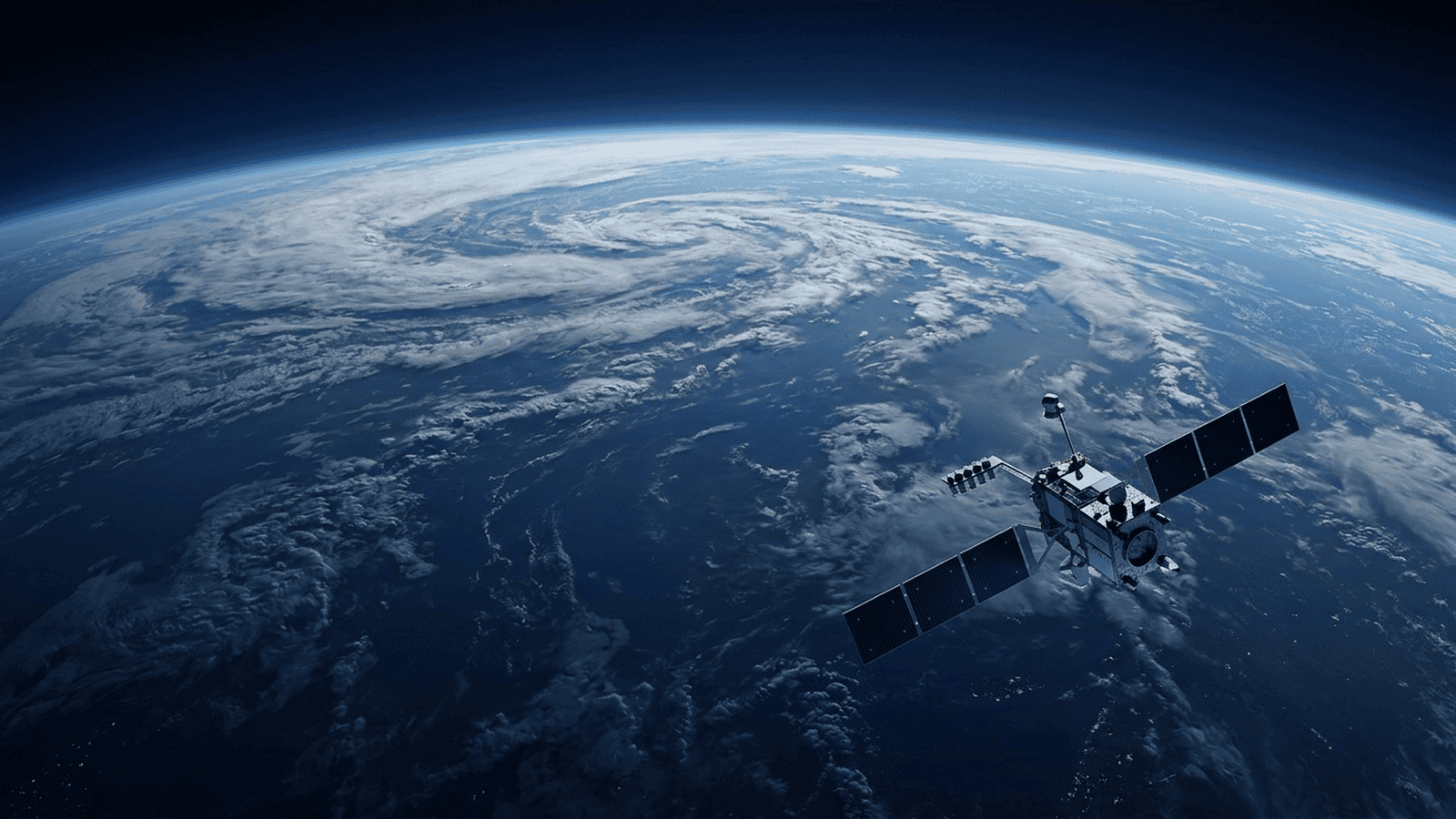
A NASA and NOAA analysis found that Earth’s energy imbalance nearly doubled between 2005 and 2019, meaning the planet was retaining heat at a faster rate. The researchers compared satellite measurements of radiation with ocean heat observations, while noting that longer records are needed to distinguish human influences from natural variability.
TLDR: NASA satellite records and ocean measurements analyzed by NASA and NOAA researchers indicate that Earth’s energy imbalance nearly doubled from 2005 to 2019. Greenhouse gases and reduced aerosol cooling are possible contributors, alongside natural variability. Continued monitoring is needed to explain the trend and sharpen climate projections.
Earth was accumulating heat at a faster rate in the late 2010s than it had been roughly a decade earlier, according to a NASA and NOAA analysis of satellite observations and ocean measurements. The researchers estimated that the planet’s energy imbalance nearly doubled between 2005 and 2019, a shift they said was large enough to stand out from natural year-to-year fluctuations. The findings were published in 2021 in the journal Geophysical Research Letters.
The energy imbalance is the difference between the sunlight Earth absorbs and the heat it sends back into space. When more energy enters than leaves, the excess warms the atmosphere, land and oceans, and melts ice. Scientists track the imbalance because it captures the overall pace of planetary heat gain, complementing measurements of surface air temperature, which can vary substantially from one year to the next.
To estimate the incoming and outgoing energy, the team used satellite observations from NASA’s Clouds and the Earth’s Radiant Energy System, or CERES. They compared those readings with measurements of ocean heat, which provide an independent record of energy accumulating in the climate system. The ocean absorbs most of the excess heat trapped by human-caused greenhouse gases, so changes in its heat content help check whether the satellite-based energy estimates are consistent with observed warming.
The analysis indicated that the imbalance increased from about 0.5 watts per square meter during the earlier portion of the study period to about 1 watt per square meter toward the end. Those are averages across the entire surface of Earth, not readings at a single location. Though the numbers may seem small, sustained differences across the globe represent a substantial amount of additional energy entering the climate system each year.
The researchers linked the rising imbalance to increases in heat-trapping greenhouse gases, including carbon dioxide and methane. They also noted that declining concentrations of some human-made aerosols may have played a role. Aerosols are tiny particles that can reflect sunlight or influence clouds; some pollution particles have a cooling effect. As those emissions fell in parts of the world, that cooling influence weakened, allowing more energy to remain in the climate system. The study did not assign a precise share of the observed change to each factor.
A portion of the increase may also reflect natural variability, including shifts in the Pacific Ocean that influence cloud cover and the amount of sunlight reflected back into space. The study period was relatively short for separating long-term human-driven trends from such variations. The researchers cautioned that continued observations are needed to determine how much of the change persists and how the balance responds to evolving patterns in clouds and ocean circulation.
The work brought together satellite data managed by NASA and ocean observations collected by NOAA and international partners. Its importance lies in combining two measurement systems that answer different questions: satellites monitor Earth’s radiation budget, while ocean instruments record heat entering the deep reservoir. Agreement between them makes the estimated trend more robust, although neither system eliminates uncertainties in the global energy accounting.
A rapidly growing imbalance matters because it signals that the climate system is taking up heat faster, with consequences that accumulate over time. Ocean warming contributes to sea-level rise as water expands and can intensify marine heatwaves; warming land and air also affect ice loss and extreme weather risks. The finding does not mean every region warmed at the same rate, nor does it predict the timing of any single event. Researchers’ next steps include extending the record and improving measurements of clouds, aerosols and ocean heat. Those observations can help clarify the causes of the trend and strengthen forecasts of future warming.

Mark Davis serves as the Senior Correspondent for Energy, Climate, and Resource Economics at Just Right News. In an era where the conversation around the environment is often dominated by alarmism and top-down mandates, Mark provides a vital, market-oriented perspective on the complex forces shaping our world. As the lead voice behind the acclaimed feature series “Power and the Planet,” he explores the intersection of environmental policy, global energy markets, and the fundamental economic principles that sustain modern civilization.
Mark’s pragmatic approach to resource management was forged in the high desert of his hometown, Albuquerque, New Mexico. Growing up in a region defined by both its breathtaking natural beauty and its rugged, resource-dependent landscape, he developed an early appreciation for the delicate balance between conservation and utilization. New Mexico’s unique position as a hub for both traditional energy production and cutting-edge scientific research provided Mark with a front-row seat to the evolution of the American energy sector. This upbringing instilled in him a deep-seated belief that true environmental stewardship is inseparable from economic prosperity and technological innovation.
Now based in Boulder, Colorado, Mark operates from the heart of the nation’s climate research community. While Boulder is often seen as a bastion of environmental idealism, Mark utilizes his post to provide a necessary counterweight, grounded in the realities of resource economics. He understands that energy policy does not exist in a vacuum; it has tangible consequences for the American taxpayer, the stability of the national power grid, and the strength of the domestic manufacturing sector. By reporting from the front lines of the climate debate, he is able to challenge prevailing narratives with hard data and a commitment to the principles of the free market.
Throughout his tenure at Just Right News, Mark has distinguished himself by focusing on the “Resource Economics” aspect of his beat. He frequently highlights the hidden costs of rapid energy transitions and advocates for an “all-of-the-above” energy strategy that prioritizes American energy independence. His work often shines a light on the geopolitical implications of resource scarcity, arguing that a secure nation must first be an energy-secure nation. Whether he is analyzing the impact of federal land-use regulations or investigating the supply chains required for new technologies, Mark remains focused on how policy decisions affect the lives and livelihoods of everyday citizens.
In “Power and the Planet,” Mark continues to bridge the gap between complex scientific concepts and the economic realities facing the country. He rejects the false choice between a healthy environment and a thriving economy, instead seeking out solutions that leverage American ingenuity and private-sector competition. For Mark, reporting on the climate is not about following the latest trends, but about ensuring that the conversation remains tethered to the foundational values of liberty, property rights, and fiscal responsibility. His contributions ensure that Just Right News readers receive a comprehensive, clear-eyed view of the challenges and opportunities defining the future of our planet.