NOAA Survey Measures a Vast Gulf of Mexico Dead Zone
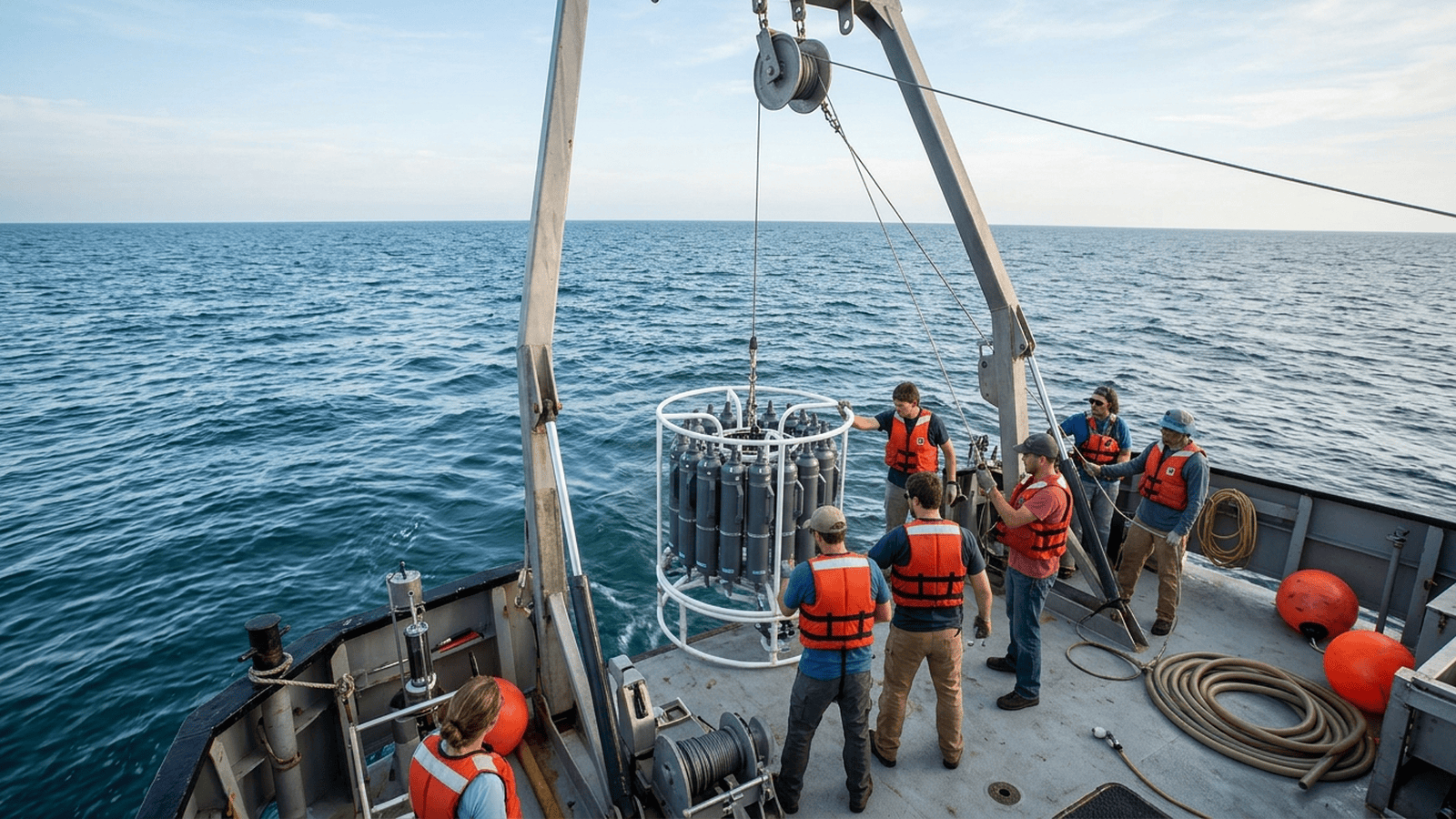
NOAA’s 2024 summer survey measured a low-oxygen zone of about 6,705 square miles on the Gulf of Mexico seafloor, the 12th-largest since records began in 1985. The recurring zone is…
NOAA’s 2024 summer survey measured a low-oxygen zone of about 6,705 square miles on the Gulf of Mexico seafloor, the 12th-largest since records began in 1985. The recurring zone is…
A joint study by NOAA and NASA has found that Earth's reflectivity, or albedo, has significantly declined over the past two decades. This change is primarily attributed to a reduction…
Researchers have discovered that microplastics in the atmosphere act as ice-nucleating particles, allowing clouds to form at warmer temperatures than usual. This interaction between plastic pollution and atmospheric physics could…
NOAA researchers have determined that the recent record-breaking rise in atmospheric methane is primarily driven by biological sources rather than fossil fuel leaks. Isotopic analysis reveals that warming-induced feedback loops…
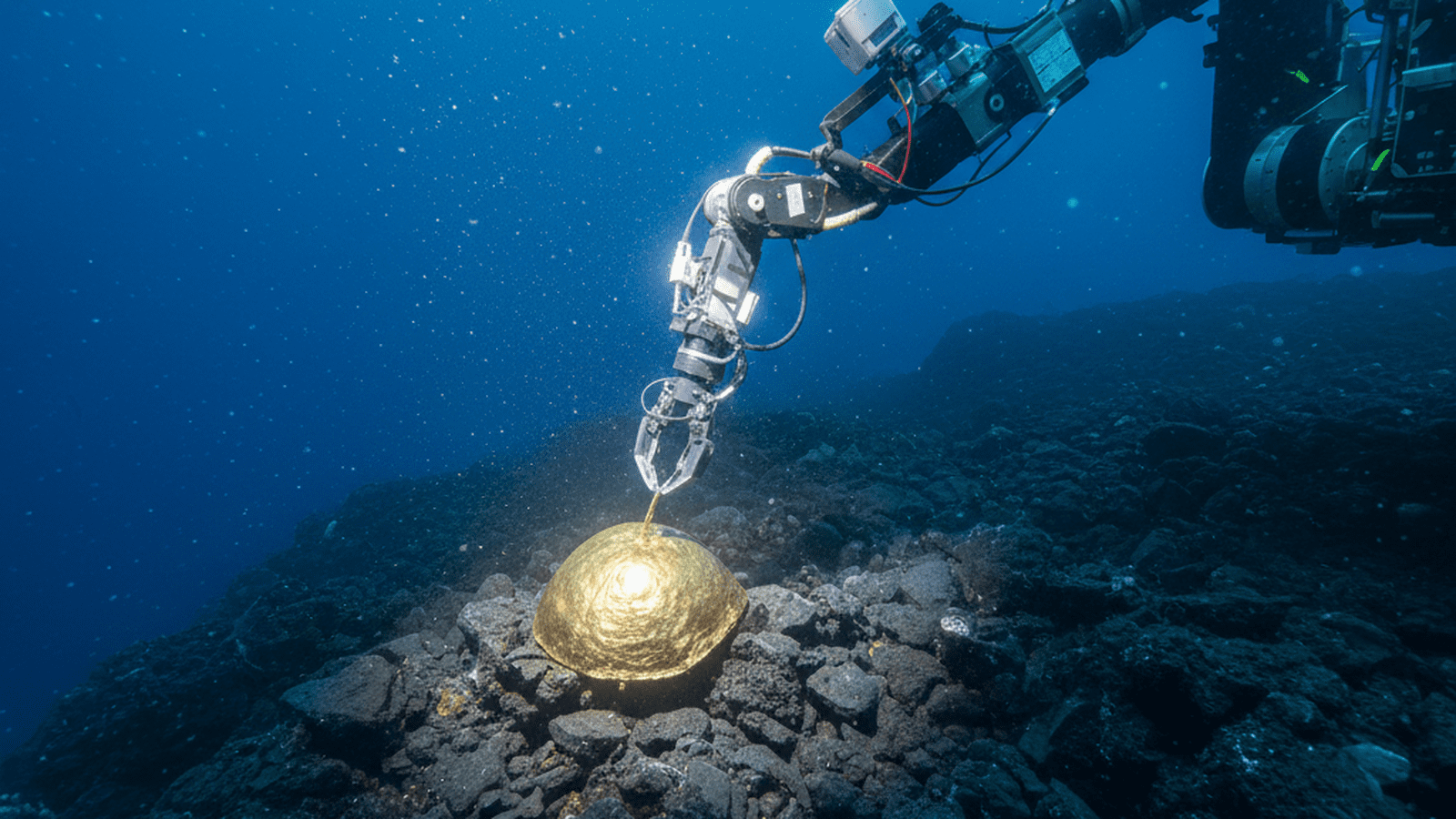
Scientists from the National Oceanic and Atmospheric Administration (NOAA) discovered a mysterious, golden, dome-shaped object on the seafloor off the coast of Alaska. The specimen, found at a depth of…
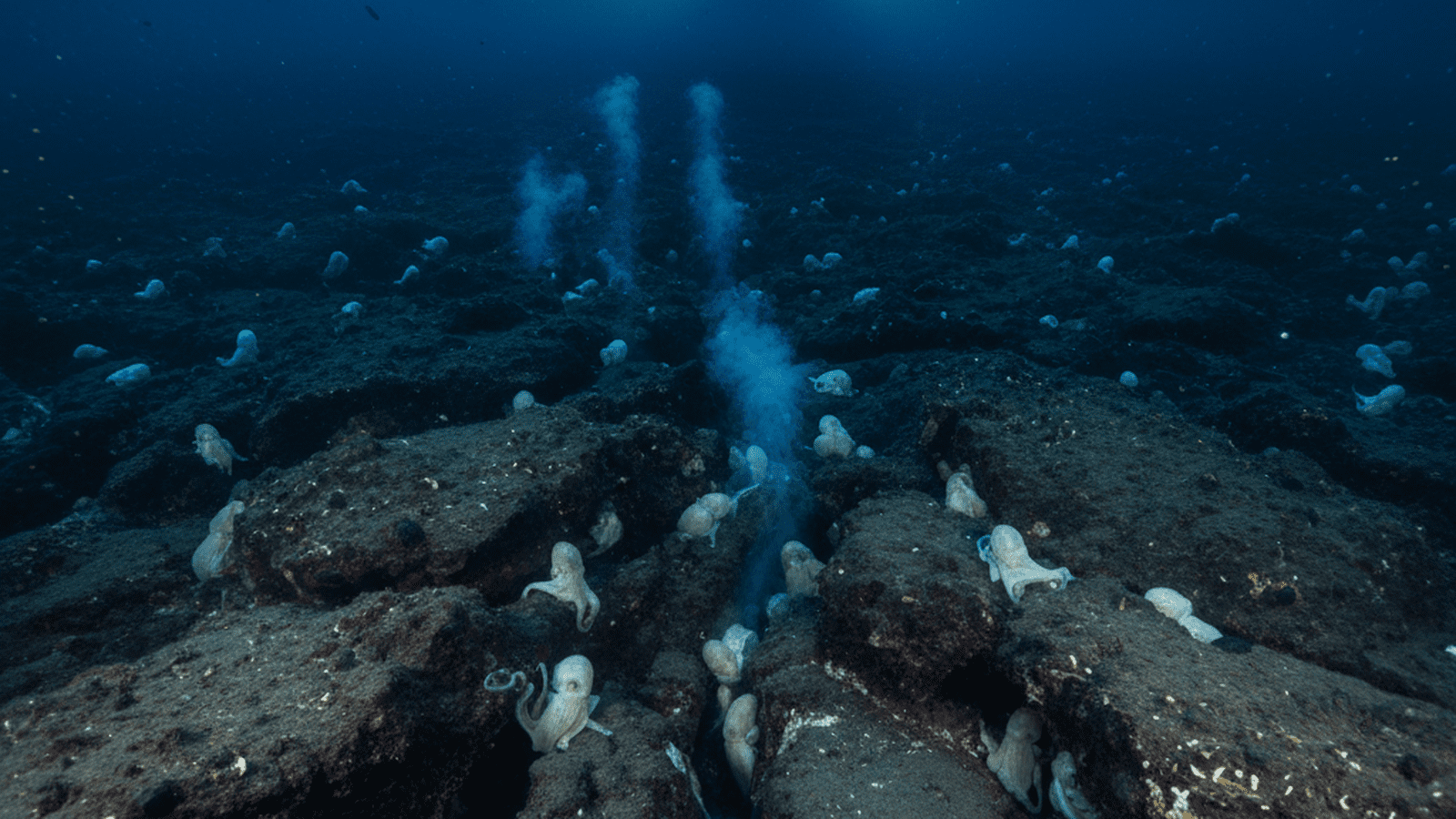
Scientists at the Monterey Bay National Marine Sanctuary have identified why thousands of octopuses migrate to the Davidson Seamount. The discovery highlights the role of geothermal heat in accelerating embryo…
NOAA researchers have mapped the largest deep-sea coral reef habitat discovered to date, located on the Blake Plateau off the U.S. Atlantic coast. The area covers 6.4 million acres and…