

Multiple sources told CBS News that the United States may have withheld an early warning before Russian strikes, while Ukrainian officials said they received no advance notice and disputed the weather explanation reportedly given by American officials. President Trump said the United States continues to share intelligence and is working toward ending the war; sources characterized the warning gap as a specific incident, not a full halt in intelligence sharing. Zelenskyy said the overnight attack killed six people and left about 600,000 without power. Ukrainian officials also reported Starlink-related difficulties, including restrictions they said affected military operations. Ukraine’s Defense Ministry is collecting unit reports, contacting the United States, SpaceX and NATO partners, and testing backup communication channels, while CBS News has sought comment from U.S. officials and SpaceX.
TLDR: Reports describe a possible U.S. warning gap before Russian strikes, but the cause and any decision to withhold information remain unverified. Ukraine says it is gathering reports and testing backup communications after the strikes and reported Starlink disruptions.
Reports that Ukraine received no advance warning before Russian missile strikes have raised questions about U.S. intelligence sharing and the reliability of key military communications. Multiple sources familiar with the matter told CBS News that the United States may have intentionally withheld early warnings this week. The claim remains disputed and has not been confirmed by the U.S. government in the material available here.
President Volodymyr Zelenskyy said Ukraine “received no advance warning from our partners” before Russia’s early Tuesday missile barrage against Kyiv and other locations. Sources told CBS News that American officials attributed the lack of warning to bad weather affecting the system used to detect Russian missile launches. The sources do not establish that the weather explanation was false or that a decision was made to withhold a warning.
The administration’s stated rationale is broader than the specific warning incident: President Trump has said the United States is sharing intelligence while working with Ukraine and Russia to end the war. He also said the United States is “helping them get to a final answer.” No clear official explanation for the missing warning itself appears in the excerpt beyond the account that officials cited bad weather. That distinction matters because continuing intelligence sharing overall does not settle what happened during this particular attack.
Ukrainian officials, speaking anonymously because of the sensitivity of the matter, told CBS News they did not believe the weather explanation and accused the United States of “playing” with the system. Those are allegations, not independently established findings. Sources familiar with the matter said the U.S. warning system appeared to be working again when Russia launched another wave of ballistic missiles around 3 a.m. Wednesday.
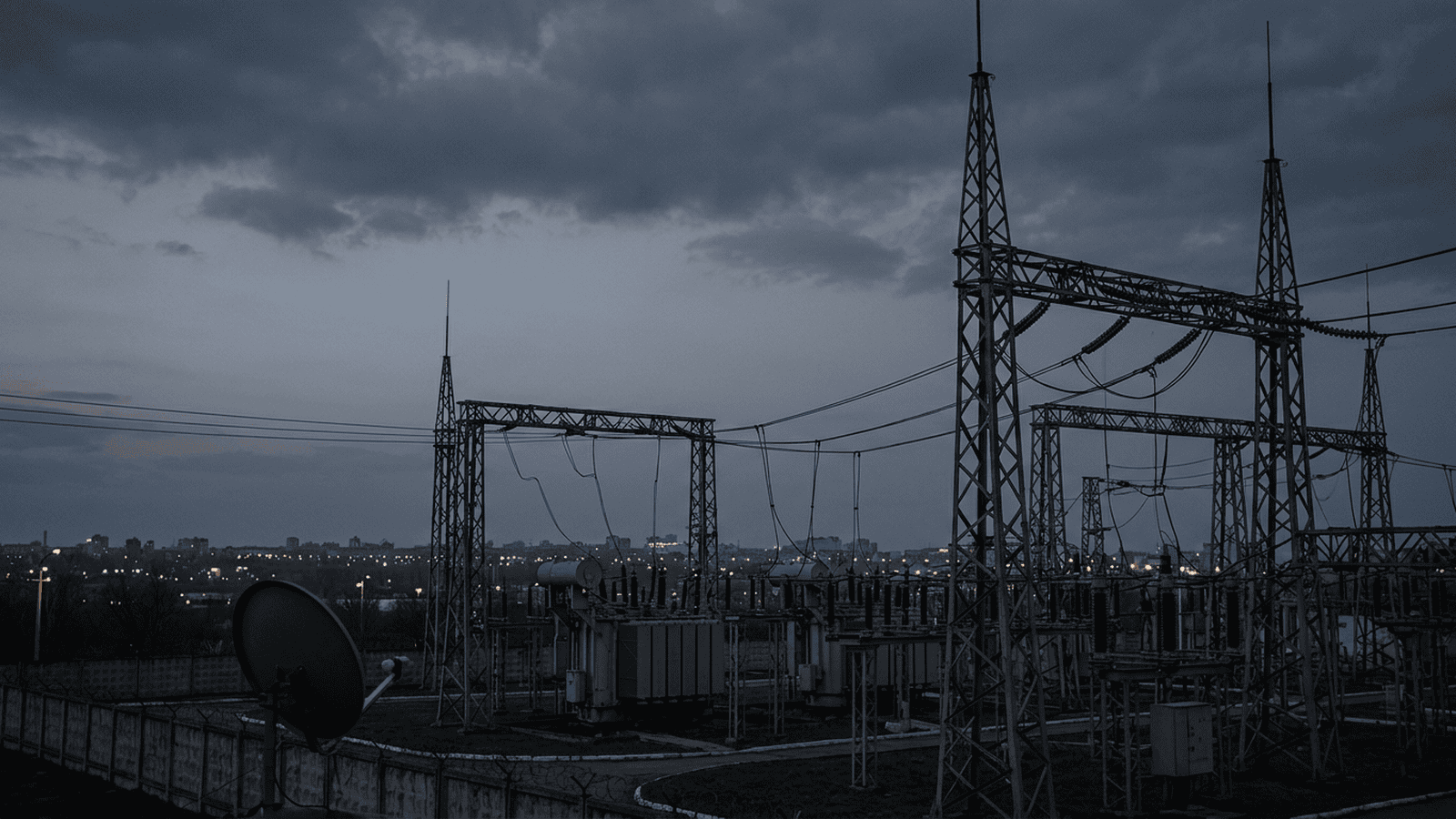
The scale of the overnight attack added urgency to the dispute. Zelenskyy said Russia launched more than 39 ballistic missiles and more than 120 attack drones and loitering munitions, primarily targeting energy and critical infrastructure in Kyiv and Kharkiv. He said six people were killed and about 600,000 were left without power. The report does not establish that an earlier warning would have prevented casualties or outages.
The United States has not stopped sharing intelligence with Ukraine overall, according to sources familiar with the matter who spoke to CBS News. They characterized the lack of a warning about this week’s attacks as a specific incident. Ukraine depends on U.S. intelligence for offensive and defensive military capabilities, including satellite and aircraft-sensor data used to identify launches of Russian aircraft and missiles. That dependence gives the incident significance beyond the timing of one alert, while leaving the details of the system failure or any decision-making unclear.
The report also describes a separate earlier instance this year in which the United States failed to provide intelligence on Russian ballistic missile launches. Sources cited a need to focus more resources on the Middle East. The available information does not say how long that lapse lasted or what operational effects it had. It does show that questions about the scope and continuity of intelligence support did not begin with this week’s strikes.
Diplomatic and military decisions may also be connected to the administration’s effort to limit attacks on energy infrastructure. Trump said Russia and Ukraine had agreed to an “energy ceasefire” in a Sunday social media post. A European official and a Ukrainian official told CBS News that the administration had threatened to stop sharing intelligence and to halt European allies’ purchases of U.S.-made weapons for Ukraine through the PURL procurement system if Ukraine did not stop deep strikes against Russian energy infrastructure. The report does not establish that either threatened step was carried out.
Communications problems involving Starlink added another concern. Ukrainian officials and soldiers told CBS News that the military experienced difficulties with the satellite technology on Tuesday night and Wednesday morning. Sources in Ukraine’s Ministry of Defense said SpaceX restricted the operation of Starshield terminals, described as the “military package,” while in motion on the night of October 14. They said the change complicated drone missions and reduced capabilities for frontline logistics, reconnaissance and signal relay. SpaceX’s account is not included, and CBS News said it had sought comment from the company, the White House and the Pentagon.
The practical effects described in the report include the missing early warning, a later restoration of apparent warning-system operation, and reported communications limits affecting military units. The ministry said it was collecting data from units, contacting the United States, SpaceX and NATO partners, and testing and putting backup communication channels into use. No fees, forms, compliance deadlines or specific enforcement measures are described. The directly affected parties include Ukrainian military units relying on intelligence and satellite communications, while civilians were affected by the reported deaths and power outages.
The next steps identified in the report are continued data collection, contacts among Ukraine, the United States, SpaceX and NATO partners, and tests of backup communications. CBS News had sought responses from SpaceX, the White House and the Pentagon. Those steps provide a basis for clarifying what failed, what decisions were made and how communication alternatives perform; the available account does not yet answer those questions.

Tom Blake serves as the Senior Correspondent for Labor, Wages, and Automation at Just Right News, where he brings a grounded, principled perspective to the most pressing economic issues facing the American heartland. As the lead voice behind the acclaimed feature series “The Price of Work,” Tom focuses his reporting on the intersection of traditional industry and the rapidly evolving technological landscape, always prioritizing the dignity of the individual worker and the health of the American family.
Tom’s deep understanding of the labor market is not merely academic; it is rooted in his upbringing in Detroit, Michigan. Growing up in the shadow of the automotive industry, he witnessed firsthand the triumphs and tribulations of the American blue-collar workforce. He saw how the stability of a manufacturing job could build a community and, conversely, how the erosion of those industries could tear the social fabric apart. This background instilled in him a lifelong respect for the trades and a healthy skepticism toward economic policies that prioritize globalist interests over the well-being of local communities.
Now based in Pittsburgh, Pennsylvania, Tom continues to report from the front lines of the shifting economy. Pittsburgh, a city that has reinvented itself while maintaining its gritty, industrious spirit, provides the perfect vantage point for his beat. From the steel mills that remain to the high-tech robotics labs reshaping the city’s future, Tom explores how automation is changing the nature of employment. His reporting often highlights the tension between innovation and tradition, arguing that while progress is inevitable, it must not come at the expense of the American worker’s ability to provide for their family through honest, meaningful labor.
In his role at Just Right News, Tom has become a vital voice for those who feel overlooked by mainstream economic coverage. He rejects the notion that the decline of American manufacturing is an unavoidable casualty of the modern era. Instead, his work often examines how regulatory overreach, rising energy costs, and the unchecked rise of automation impact the take-home pay of everyday citizens. Through “The Price of Work,” Tom delves into the true cost of economic shifts, looking beyond the raw data to tell the stories of the people behind the statistics.
Tom’s reporting is characterized by a commitment to the conservative values of self-reliance, fiscal responsibility, and the preservation of the American dream. He believes that a strong nation is built on a foundation of stable jobs and fair wages, and his work seeks to hold both government and corporate entities accountable to that standard. Whether he is interviewing a shop floor manager about the implementation of new AI technology or analyzing the impact of wage inflation on small businesses, Tom provides a clear-eyed analysis that resonates with readers who value hard work and common sense.
Through his dedicated coverage, Tom Blake remains a steadfast advocate for the American workforce, ensuring that the voices of those in the industrial heartland are heard loud and clear in the national conversation. His perspective is essential for anyone seeking to understand the complex realities of labor and automation in the twenty-first century.