


Investigators are analyzing a 14,000-foot descent and allegations of radicalization following a co-pilot’s mid-air attack on an Israel-bound flight.
The United Arab Emirates’ attorney general has formally established a specialized Public Prosecution team to lead the multi-national investigation into the September 30 stabbing aboard a FlyDubai flight. By asserting jurisdiction, the UAE moves the probe into a formal legal framework, citing the aircraft’s registration and its status as a vessel flying under the UAE flag. This legal maneuver comes as investigators from Saudi Arabia, Israel, and the UAE attempt to untangle the motives of the Omani co-pilot who attacked his captain mid-flight.
Primary flight data records now provide a harrowing account of the struggle for control in the cockpit. According to investigative reports, the aircraft dropped approximately 14,000 feet—roughly 4,267 meters—in under 30 seconds. This rapid descent occurred while the co-pilot allegedly attempted to crash the aircraft, which was carrying approximately 170 passengers from Dubai to Tel Aviv. The catastrophic plunge was only halted when a combination of crew members and passengers breached the cockpit and subdued the attacker, allowing reserve FlyDubai pilots traveling on the flight to stabilize the plane and land safely in Tabuk, Saudi Arabia.
While the physical evidence of the flight path is clear, the suspect’s motive remains a point of international contention. Israeli Prime Minister Benjamin Netanyahu stated on October 1 that the suspect had undergone “Islamist radical indoctrination.” Netanyahu characterized the co-pilot as a suicidal actor intent on mass casualties. However, these claims are currently categorized as Israeli intelligence assessments rather than verified investigative findings. U.S. and Emirati officials are also examining whether the suspect suffered from a sudden mental health crisis or was directed by an outside sponsor, with specific attention being paid to potential Iranian influence, though no evidence of such a link has been made public.
Diplomatic and security coordination following the incident has been unprecedented. Despite the lack of formal diplomatic relations between Saudi Arabia and Israel, both nations dispatched fighter jets to monitor the airspace immediately following the distress signal. Netanyahu confirmed that the suspect is currently being interrogated by Saudi security services, though he noted an expectation that the individual will be transferred to UAE custody. Such a transfer would potentially allow Israeli investigators to observe or participate in the questioning process, though Saudi authorities have not yet confirmed a timeline for extradition.
The operational fallout for FlyDubai has been immediate and significant. The airline has suspended all flight operations to and from Israel while the security audit proceeds. To manage the crisis on the ground, the carrier dispatched two replacement aircraft to Tabuk to assist the affected passengers. The incident has also renewed calls for enhanced biometric travel security across the region, coinciding with the formation of a new travel industry coalition on October 1 involving IATA and SITA, which advocates for secure digital omnibus standards to enable biometric travel.
This incident occurs against a backdrop of heightened regional tension and significant military shifts. On the same day as the stabbing, U.S. forces formally withdrew from Iraq, and Defense Secretary Pete Hegseth announced a 20 percent reduction in the number of U.S. generals and admirals. Furthermore, Polish leaders warned on September 29 that Russia is planning attacks to test NATO defenses, following an arson attack in Estonia. These events underscore a volatile security environment where administrative and military protocols are being rapidly reevaluated.
As the UAE prosecution team begins its work, the focus remains on the co-pilot’s background in Oman. To date, the Omani government has not issued a formal statement regarding the actions of its citizen. The investigation is expected to involve a comprehensive review of the suspect’s communications, prior flight history, and any potential links to extremist cells. For now, the administrative state in the UAE is treating the case as a high-priority matter involving potential terrorism and premeditated endangerment of a national carrier, while the National Safety Council and OSHA continue their broader push for identifying high-risk hazards in the global workforce.
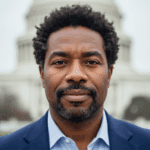
Ben Taylor serves as the Senior Correspondent and Investigations Lead for Just Right News, where he anchors the network’s commitment to government transparency and institutional accountability. With a career defined by a relentless pursuit of the facts, Taylor spearheads the acclaimed feature series “The Paper Trail,” a deep-dive investigative column that prioritizes primary source documentation over political rhetoric. Based in the heart of the nation’s capital, he has earned a reputation as one of the most formidable investigative journalists in Washington, D.C., known specifically for his mastery of public records and the Freedom of Information Act.
Taylor’s approach to journalism is deeply rooted in his upbringing in Kansas City, Missouri. Growing up in the “Show Me State,” he developed a healthy skepticism of centralized power and a profound respect for the common-sense values of the American heartland. This Midwestern foundation informs his reporting today, as he bridges the gap between the complex machinations of federal bureaucracy and the everyday concerns of citizens across the country. For Taylor, investigative reporting is not about chasing headlines; it is about ensuring that the government remains answerable to the people it serves.
As an African American man working within the conservative media landscape, Taylor brings a principled perspective to his beat. He views the Constitution and the right to information as the ultimate equalizers in a free society. His work often highlights how bureaucratic overreach and lack of transparency disproportionately affect individual liberties. By focusing on the “paper trail,” Taylor strips away the spin of partisan talking points, instead providing Just Right News readers with the raw data and internal communications that reveal how their tax dollars are spent and how policy decisions are actually made.
In his role as Investigations Lead, Taylor oversees a team dedicated to uncovering the stories that mainstream outlets often overlook. Whether he is auditing federal spending, investigating regulatory overreach, or exposing inefficiencies within the administrative state, his methodology remains consistent: follow the evidence wherever it leads. His presence in Washington, D.C., allows him to maintain a constant watch over the halls of power, yet he remains steadfastly connected to his roots, ensuring his reporting reflects the clarity and directness of his Missouri home.
Throughout his tenure at Just Right News, Taylor has become a vital voice for those who demand integrity in public office. He believes that a well-informed electorate is the strongest defense against government overreach, and he has dedicated his career to providing the public with the tools they need to hold their leaders accountable. Through “The Paper Trail” and his broader investigative work, Ben Taylor continues to set the standard for rigorous, document-driven journalism that champions the values of transparency, individual responsibility, and the rule of law.