

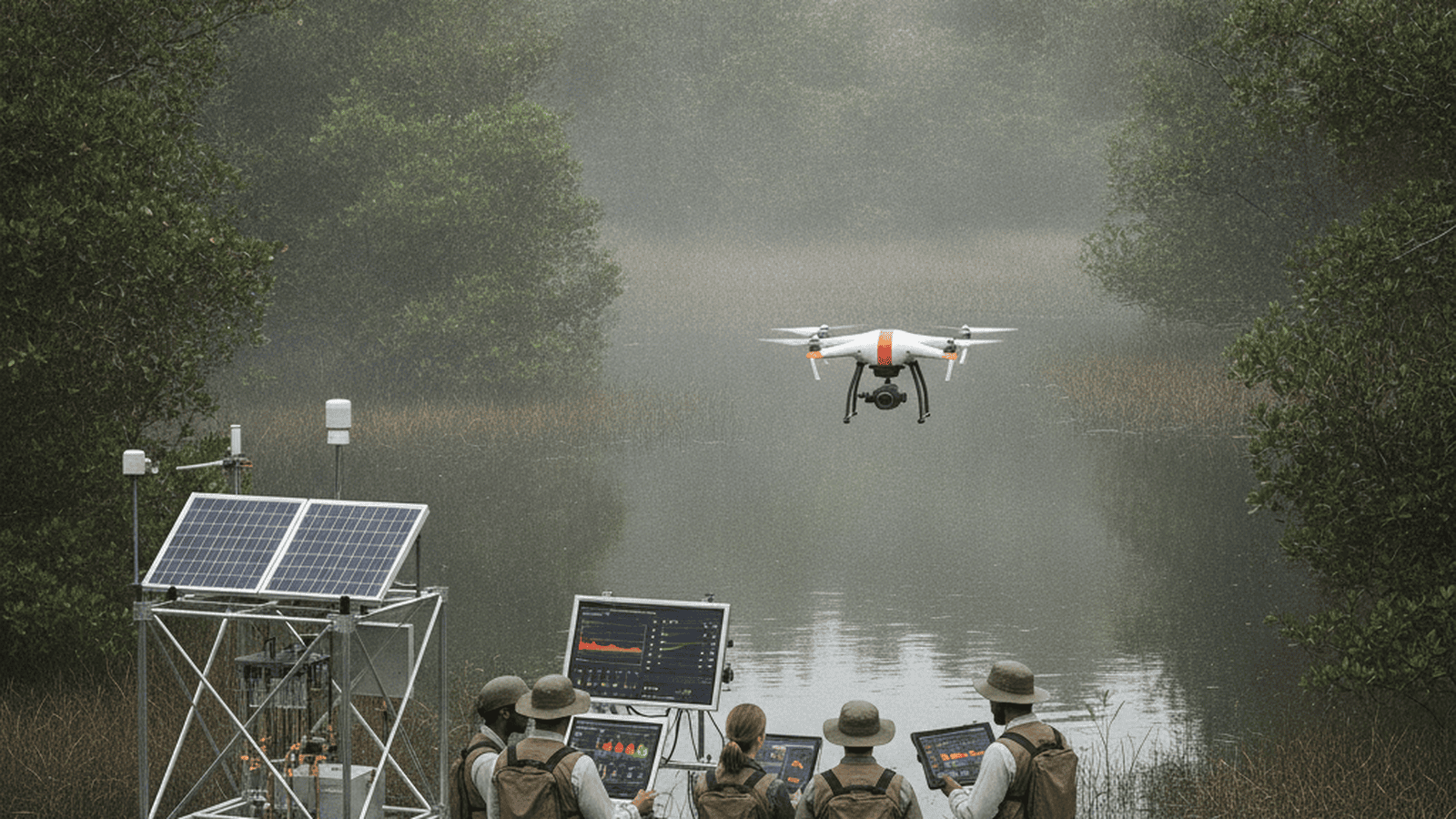
A comprehensive study by the Global Carbon Project reveals that global methane emissions are rising at an unprecedented rate, driven by fossil fuel use and warming wetlands. The report highlights a significant gap between current climate pledges and the actual trajectory of greenhouse gas concentrations.
TLDR: New data from the Global Carbon Project shows methane emissions have surged 20% in two decades. Despite international pledges to cut leaks, rising temperatures are triggering natural feedback loops in wetlands, while industrial sources continue to expand, threatening global climate targets and necessitating more aggressive mitigation strategies.
The Global Carbon Project has released its most comprehensive assessment of the global methane budget to date, revealing that atmospheric concentrations of the gas are rising at the fastest rate since systematic monitoring began. This international research initiative, involving more than 100 scientists from 80 institutions, highlights a growing disparity between international climate commitments and the physical reality of the Earth’s atmosphere. Methane is a particularly aggressive greenhouse gas, possessing more than 80 times the warming potential of carbon dioxide over its first 20 years in the atmosphere. The report underscores that while carbon dioxide is the primary driver of long-term warming, methane is the dominant force in the immediate rate of temperature increase.
According to the report, total annual methane emissions have surged by approximately 20% over the last two decades. The data indicates that human activities are responsible for at least two-thirds of these emissions, with agriculture, fossil fuels, and waste management serving as the primary contributors. While carbon dioxide remains the primary focus of many climate policies, the rapid accumulation of methane presents a more immediate threat to short-term temperature stabilization goals. The researchers found that current trajectories are significantly higher than the levels required to meet the targets set by the Paris Agreement.
One of the most concerning findings in the 2024 update is the acceleration of biological methane sources. As global temperatures rise, tropical wetlands and permafrost regions are releasing methane at rates that exceed previous climate models. This phenomenon suggests a dangerous feedback loop: warming causes natural systems to release more greenhouse gases, which in turn drives further warming. Researchers noted that these natural emissions are increasingly influenced by human-induced climate shifts, making the distinction between anthropogenic and natural sources more complex and difficult to manage through traditional policy alone.
The energy sector continues to be a significant source of avoidable emissions. The study utilized advanced satellite monitoring to identify super-emitter events—massive, localized leaks from oil and gas infrastructure that often persist for weeks before being addressed. These events, combined with venting and flaring practices in coal and natural gas production, account for a substantial portion of the industrial methane footprint. Despite the existence of the Global Methane Pledge, which aims to reduce emissions by 30% by 2030, the report finds that global levels are currently tracking along the most extreme warming scenarios envisioned by the Intergovernmental Panel on Climate Change.
Agriculture remains the largest single source of human-caused methane, primarily through livestock enteric fermentation and rice cultivation. The report emphasizes that while technological solutions like methane-reducing feed additives are in development, they have not yet been deployed at a scale sufficient to offset the growth in global food demand. Similarly, the waste sector, including landfills and wastewater treatment, has seen its methane output grow as urban populations expand without corresponding improvements in infrastructure. The lack of standardized reporting in these sectors remains a hurdle for accurate global accounting.
The international team of scientists emphasized that the window for meaningful intervention is narrowing. The report serves as a critical data point for upcoming international climate negotiations, providing a transparent accounting of where mitigation efforts are failing. By integrating ground-based measurements with high-resolution orbital data, the Global Carbon Project has created a more accurate map of global leaks, offering a roadmap for where policy interventions should be prioritized. Future research will focus on the specific microbial processes within warming wetlands to better predict the intensity of future feedback loops, while scientists work to improve the temporal resolution of satellite data to catch intermittent industrial leaks in real-time.

Rachel Vaughn serves as a Senior Correspondent for Just Right News, where she leads the network’s coverage of Global Health, Climate, and Development. With a career defined by intellectual rigor and a commitment to principled reporting, Rachel provides a vital conservative perspective on some of the most complex and high-stakes issues facing the world today. Her work is characterized by a refusal to accept bureaucratic narratives at face value, focusing instead on how international policies impact national sovereignty, individual liberty, and the American taxpayer.
Raised in New Haven, Connecticut, Rachel grew up in an environment dominated by elite academic discourse. This upbringing provided her with a front-row seat to the inner workings of the American establishment, but it also instilled in her a healthy skepticism of the “ivory tower” consensus. She learned early on that while academic theories may sound promising in a lecture hall, they often fail to account for the practical realities of the working class. This background drives her to bridge the gap between high-level policy discussions and the common-sense concerns of everyday citizens, ensuring that her reporting remains grounded and accessible.
Now based in Burlington, Vermont, Rachel operates from a unique vantage point within one of the nation’s most progressive political landscapes. Living and working in a region that often serves as a testing ground for radical social and environmental experiments allows her to witness the real-world consequences of these policies firsthand. From her base in the Green Mountain State, she provides Just Right News readers with essential “boots on the ground” reporting, documenting the friction between local mandates and the constitutional freedoms of the individual. Her presence in Burlington ensures that her critiques of globalist agendas are informed by a direct understanding of how those ideologies manifest at the local level.
In her acclaimed feature series, “Planetary Stakes,” Rachel explores the intersection of international development and environmental stewardship. She rejects the alarmism often found in mainstream media, opting instead for a sober analysis of the economic and geopolitical costs of global climate agreements. Her reporting frequently highlights the importance of market-driven innovation and the role of American leadership in fostering global health without ceding authority to unelected international bodies. Through “Planetary Stakes,” she has become a leading voice for those who believe that true conservation and public health are best achieved through transparency, accountability, and the protection of private property rights.
Throughout her tenure at Just Right News, Rachel has distinguished herself as a journalist who is unafraid to ask difficult questions of global institutions. Whether she is investigating the influence of non-governmental organizations on domestic policy or analyzing the fiscal transparency of international health initiatives, her goal remains the same: to provide her audience with the facts necessary to navigate an increasingly interconnected world. Her blend of East Coast intellectual heritage and her current immersion in the political heart of the Northeast makes her an indispensable asset to the newsroom and a trusted source for readers seeking a principled, conservative take on the issues that define our era.