

Meta is eliminating 20% of its Washington workforce to fund a massive pivot toward artificial intelligence, signaling a cooling labor market for the region’s high-tech trades.
The digital gold rush in the Pacific Northwest is hitting a hard reality as Meta filed notice to eliminate 1,395 jobs across Washington state. The cuts, effective July 22, represent a 20% reduction of the company’s 7,000-person footprint in the Seattle metro area. This move is a calculated shift in the American labor market where human capital is being traded for silicon. For the men and women who built the social media age, the priority has shifted from people to processors.
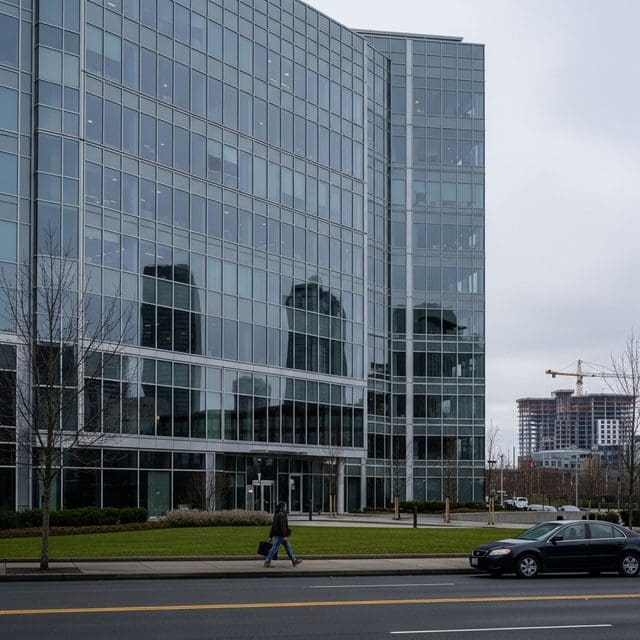
Bellevue’s Spring District is bearing the brunt, with 699 roles slated for elimination. The remaining cuts are spread across Seattle, Redmond, and remote positions. While the layoffs hit software engineers and data scientists, the ripple effect extends to support staff, including chefs and IT technicians. This reduction is part of a global plan to eliminate 8,000 jobs and reassign 7,000 staff to artificial intelligence projects. This transition is being funded by the very payrolls that once defined the region’s prosperity.
This pivot toward AI comes at a steep price for the local economy. Regional economists warn of a blow to Bellevue’s service sector as the loss of high-paying salaries drains revenue from local small businesses. The broader Seattle labor market is already showing fatigue, with job postings down 35% compared to pre-pandemic levels. For those in the software trade, the outlook is bleaker, with postings plummeting by 68%. Despite these cuts, Meta recently renewed 146,000 square feet of office leases in Redmond, signaling they still want the real estate, but require fewer people to occupy it.
While CEO Mark Zuckerberg has signaled that no further company-wide layoffs are expected in 2026, the optics remain difficult. As termination notices were issued, reports surfaced of Zuckerberg docking a $300 million superyacht in Seattle. The contrast highlights a disconnect between record-breaking corporate profits and the tangible anxiety felt by workers. It is a reminder that while the stock market reaches for the clouds, the ground-level reality for the American worker is one of increasing precariousness.
Consumer sentiment has reached an all-time low, driven by economic concerns that transcend partisan lines. Even as S&P 500 profit growth reaches its fastest pace in five years, the average worker sees a landscape where automation is a present replacement. Tech giants like Amazon and Microsoft are following a similar script, joining the Data Center Innovation Initiative to accelerate infrastructure technologies. These companies are pouring billions into hardware while trimming human headcounts to balance the books.
For the American worker, the message from the tech sector is one of cold efficiency. Companies are prioritizing the massive capital requirements of AI over the stability of their workforce. As these 1,395 Washingtonians prepare to exit their offices this July, they leave behind a region being reshaped by machines. The dignity of a steady job is being sacrificed for technological acceleration, leaving the human element to navigate a thinning job market while industry titans pivot toward an automated future.

Tom Blake serves as the Senior Correspondent for Labor, Wages, and Automation at Just Right News, where he brings a grounded, principled perspective to the most pressing economic issues facing the American heartland. As the lead voice behind the acclaimed feature series “The Price of Work,” Tom focuses his reporting on the intersection of traditional industry and the rapidly evolving technological landscape, always prioritizing the dignity of the individual worker and the health of the American family.
Tom’s deep understanding of the labor market is not merely academic; it is rooted in his upbringing in Detroit, Michigan. Growing up in the shadow of the automotive industry, he witnessed firsthand the triumphs and tribulations of the American blue-collar workforce. He saw how the stability of a manufacturing job could build a community and, conversely, how the erosion of those industries could tear the social fabric apart. This background instilled in him a lifelong respect for the trades and a healthy skepticism toward economic policies that prioritize globalist interests over the well-being of local communities.
Now based in Pittsburgh, Pennsylvania, Tom continues to report from the front lines of the shifting economy. Pittsburgh, a city that has reinvented itself while maintaining its gritty, industrious spirit, provides the perfect vantage point for his beat. From the steel mills that remain to the high-tech robotics labs reshaping the city’s future, Tom explores how automation is changing the nature of employment. His reporting often highlights the tension between innovation and tradition, arguing that while progress is inevitable, it must not come at the expense of the American worker’s ability to provide for their family through honest, meaningful labor.
In his role at Just Right News, Tom has become a vital voice for those who feel overlooked by mainstream economic coverage. He rejects the notion that the decline of American manufacturing is an unavoidable casualty of the modern era. Instead, his work often examines how regulatory overreach, rising energy costs, and the unchecked rise of automation impact the take-home pay of everyday citizens. Through “The Price of Work,” Tom delves into the true cost of economic shifts, looking beyond the raw data to tell the stories of the people behind the statistics.
Tom’s reporting is characterized by a commitment to the conservative values of self-reliance, fiscal responsibility, and the preservation of the American dream. He believes that a strong nation is built on a foundation of stable jobs and fair wages, and his work seeks to hold both government and corporate entities accountable to that standard. Whether he is interviewing a shop floor manager about the implementation of new AI technology or analyzing the impact of wage inflation on small businesses, Tom provides a clear-eyed analysis that resonates with readers who value hard work and common sense.
Through his dedicated coverage, Tom Blake remains a steadfast advocate for the American workforce, ensuring that the voices of those in the industrial heartland are heard loud and clear in the national conversation. His perspective is essential for anyone seeking to understand the complex realities of labor and automation in the twenty-first century.