

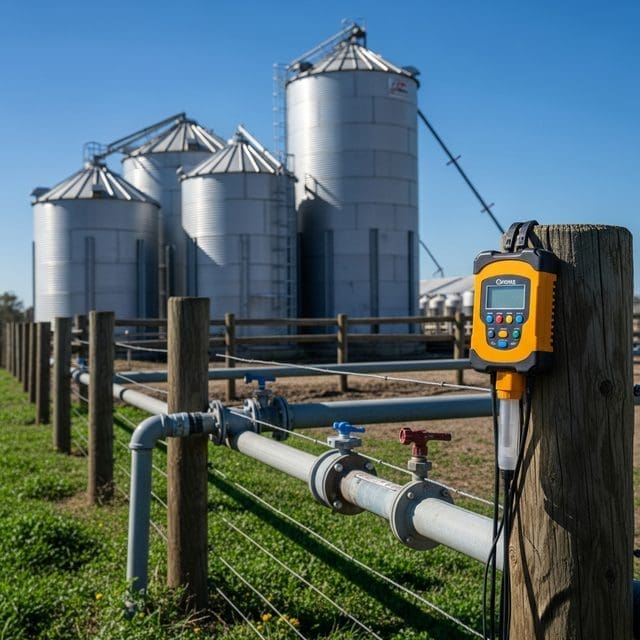
A massive dairy recall and tightening EPA water regulations are placing unprecedented pressure on the nation’s agricultural sector and food safety infrastructure.
The American kitchen table is currently caught between the gears of a massive food safety recall and a wave of aggressive new federal water mandates. As of May 17, 2026, the Food and Drug Administration is coordinating a sweeping nationwide recall of products containing powdered milk and buttermilk. The trace-back efforts follow an April 20 notification from California Dairies Inc. regarding potential Salmonella contamination in bulk ingredients, a situation that has now expanded to include various shelf-stable and ready-to-eat items across the country. This disruption in the dairy supply chain highlights the fragility of centralized food processing, but the pressure on producers does not end at the factory gate.
While the FDA tracks contaminated powder, the Environmental Protection Agency is ramping up enforcement on the very water used to grow and process these goods. A February 2026 update from the EPA signaled a significant shift toward aggressive PFAS enforcement, compelling agricultural operations and food processors to install emergency treatment systems or provide bottled water when local supplies are impacted by discharge. This regulatory push is occurring alongside broader geopolitical shifts, such as the April 17 announcement of a ceasefire between Israel and Lebanon and a 10% drop in oil prices following the reopening of the Strait of Hormuz. While global markets react to these diplomatic breakthroughs, American farmers are focused on the domestic cost of compliance.
For the small-scale farmer, the regulatory burden has reached a critical juncture. An April 6, 2026, compliance deadline has already passed for small farms to complete annual water-risk assessments under the FDA’s revised pre-harvest agricultural water rule. This mandate requires growers to evaluate irrigation sources—a task made increasingly difficult as prolonged droughts force many to rely on marginal surface water or recycled runoff that may not meet the new federal benchmarks. Regulators are increasingly looking toward digital traceability tools, as seen in the recent integrations announced by World (formerly Worldcoin) with platforms like Shopify and DocuSign, to track products from the field to the shelf.
Infrastructure strain is also appearing in municipal systems, which serve as the backbone for both residential life and local food processing. In Atlantic City, the EPA has forced a mandatory expansion of lead and copper testing through 2026. These directives, combined with new Clean Water Act reporting requirements that demand states assemble all “readily available” data on impaired waterbodies, are creating friction between regulators and the agricultural community. Farm groups argue that listing irrigation canals as impaired could effectively shut down production in regions where water is already a scarce commodity.
At the federal level, the intersection of technology and safety remains a point of contention. Anthropic CEO Dario Amodei recently met with White House officials to resolve disputes over the Claude AI model, while the DOJ prepares indictments against foreign leaders. Yet, for the average citizen, the immediate concern is the safety of the local tap and the pantry. The CDC is currently monitoring a May 2026 Salmonella outbreak linked to veiled chameleons, which, while not foodborne, underscores the limits of surveillance systems that separately track food, water, and animal-related transmission routes.
As federal agencies push for broader data-sharing around recalls and outbreaks, including contamination from toxic plant material in supplements, the cost of compliance continues to fall on the private sector and local municipalities. The challenge remains whether these top-down mandates will actually result in a safer food supply or simply create more hurdles for the families tasked with feeding the nation. With the U.S. and Iran negotiating peace plans and AI giants like OpenAI preparing for IPOs, the quiet struggle over water rights and agricultural sovereignty remains the most grounded issue facing the American public today.

Eric Nolan serves as the Senior Correspondent for Food, Water, and Environmental Health at Just Right News, where he brings a principled, common-sense perspective to the most fundamental issues facing the American public. With a career dedicated to uncovering the truth behind the policies that govern our natural resources, Eric has become a trusted voice for readers who value traditional stewardship over bureaucratic overreach. His reporting is defined by a commitment to the idea that true environmentalism is rooted in the protection of the American family and the preservation of the nation’s agricultural heritage.
Raised in Fresno, California, Eric’s worldview was shaped in the heart of the San Joaquin Valley. Growing up in one of the world’s most productive agricultural hubs, he witnessed firsthand the vital connection between the land, the water, and the dinner table. In Fresno, he saw the resilience of farmers and the devastating impact that distant, top-down regulations can have on local communities. This upbringing instilled in him a deep respect for the producers who feed the country and a lifelong skepticism toward the alarmist narratives often pushed by mainstream media. For Eric, environmental health is not an abstract political talking point; it is a matter of ensuring that the people who work the land have the freedom and the resources to do so effectively.
Now based in Eugene, Oregon, Eric operates from a unique vantage point in the Pacific Northwest. Living in a region often defined by intense environmental debate, he provides a necessary counter-narrative to the prevailing trends of the area. From his base in Eugene, he monitors the shifting tides of federal and state policies, ensuring that the voices of rural citizens and property owners are not drowned out by urban activism. His reporting often bridges the gap between the rugged realities of the outdoors and the legislative halls where decisions are made, offering a grounded perspective that prioritizes local sovereignty and practical solutions.
As the lead for the acclaimed feature series “Earth on the Table,” Eric explores the intricate journey of the American food supply. He tackles critical issues such as water rights, soil health, and food security through a lens of national stability and individual liberty. He believes that a healthy environment and a thriving economy are not mutually exclusive, but rather two sides of the same coin of national prosperity. His work consistently highlights how innovation and private-sector ingenuity are the most effective tools for ensuring clean water and a safe food supply, rather than the expansion of the administrative state.
At Just Right News, Eric’s reporting serves as a vital resource for those who seek accountability and transparency. Whether he is investigating the impact of federal land management on local economies or examining the safety of the national food infrastructure, his work remains anchored in the values of heritage and hard work. Eric Nolan continues to be a leading voice in environmental journalism, championing the belief that the best way to protect our natural resources is to empower the people who live and work closest to them.