

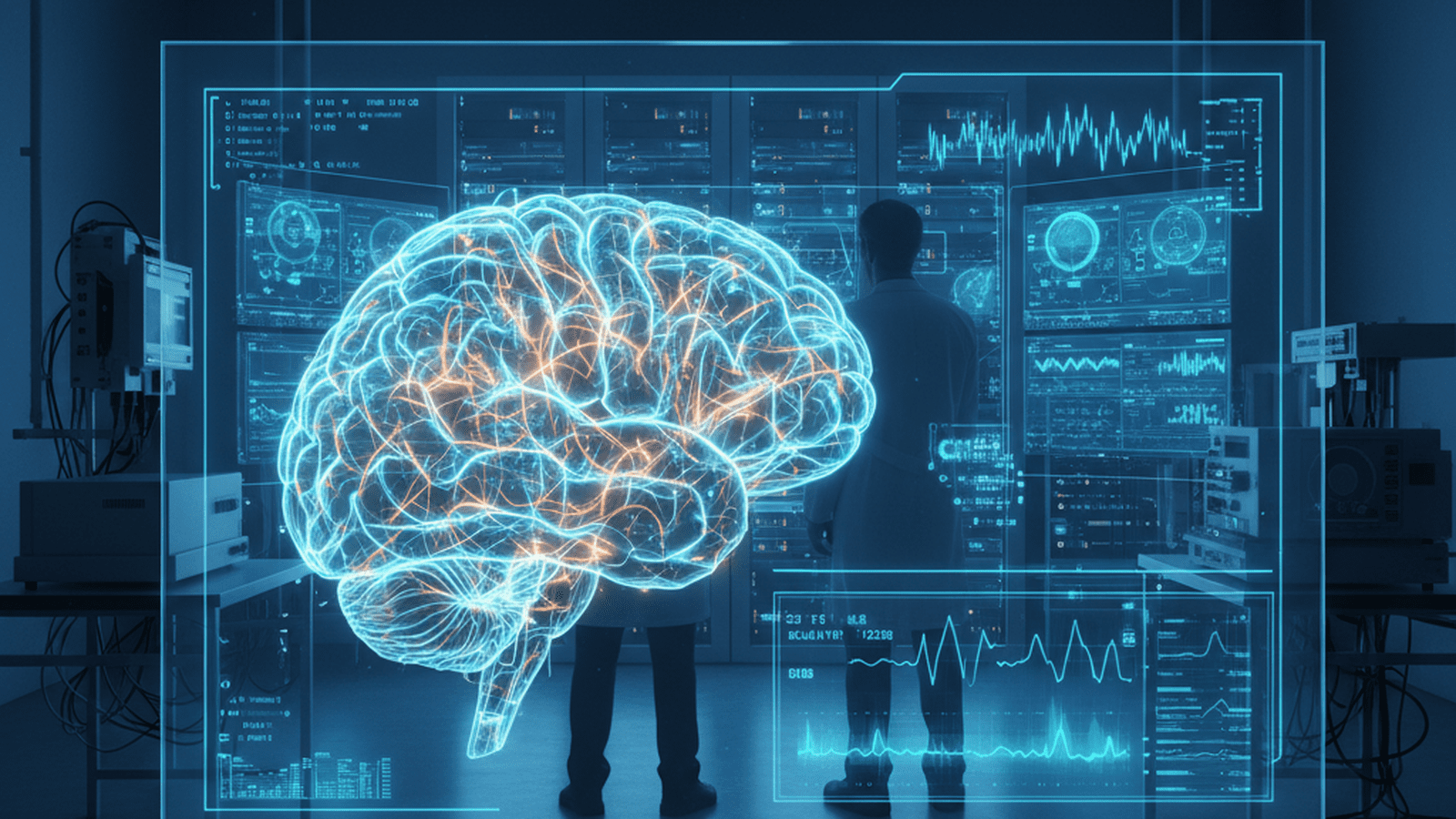
Researchers at the National Institutes of Health have identified a specific neural pathway that governs the placebo effect in pain management. By mapping the circuit between the anterior cingulate cortex and the cerebellum, the study provides a biological basis for how expectations trigger physical pain relief.
TLDR: Scientists at the National Institutes of Health have mapped the specific brain circuit responsible for the placebo effect. By identifying a pathway connecting the anterior cingulate cortex to the cerebellum, researchers have uncovered how the brain translates the expectation of relief into actual physiological pain suppression, offering new avenues for non-opioid pain management.
Researchers at the National Institutes of Health (NIH) have achieved a landmark breakthrough in neuroscience by identifying the specific neural circuit responsible for the placebo effect. This phenomenon, where a patient’s condition improves simply because they expect a treatment to work, has puzzled the medical community for centuries. For the first time, a study led by the National Institute of Neurological Disorders and Stroke (NINDS) has mapped the biological architecture that translates a purely mental expectation into physical pain relief. This discovery moves the placebo effect out of the realm of psychology and firmly into the domain of hard neurobiology, providing a roadmap for future pain management strategies.
The research identifies a complex pathway connecting the anterior cingulate cortex (ACC)—a region of the brain associated with high-level functions like emotion, decision-making, and pain perception—to the cerebellum. The signal travels through a relay station known as the pontine nucleus in the brainstem. Historically, the cerebellum was viewed almost exclusively as a center for motor control and balance. However, this study reveals that it plays a sophisticated role in sensory modulation. By utilizing high-resolution imaging and advanced neuro-mapping techniques, the NIH team observed that neurons in this ACC-to-pontine-to-cerebellum circuit fire specifically when an individual anticipates relief from discomfort.
To confirm these findings, the researchers employed sophisticated mouse models that replicate the human placebo response. Using optogenetics—a technique that uses light to turn specific neurons on or off—the scientists were able to manipulate the circuit with extreme precision. They found that when they artificially activated the pathway between the cortex and the cerebellum, the subjects exhibited a significant reduction in pain sensitivity, even without any external treatment. Conversely, when the circuit was inhibited, the placebo effect completely disappeared, regardless of the subject’s prior conditioning. This causal evidence proves that the placebo effect is a distinct physiological process driven by the brain’s internal signaling molecules rather than a mere reporting bias.
The implications of this discovery for the treatment of chronic pain are profound. Currently, the medical field relies heavily on opioid medications to manage severe pain, a practice that has contributed to a global addiction crisis. By understanding the brain’s natural pain-suppression circuitry, researchers can now explore non-pharmacological interventions. This might include deep brain stimulation, targeted transcranial magnetic stimulation, or even specialized behavioral therapies designed to prime this specific neural pathway. Such treatments would harness the body’s own internal pharmacy, offering relief without the risk of respiratory depression or chemical dependency.
Furthermore, this research addresses a long-standing hurdle in the pharmaceutical industry: the placebo responder problem. In clinical trials, many participants show improvement regardless of whether they receive the actual drug or a sugar pill, often masking the true efficacy of new medications. By identifying the neural markers of the placebo response, researchers can better categorize trial participants. This could lead to more efficient drug testing, as scientists can now distinguish between a drug’s chemical impact and the brain’s inherent expectation-driven response.
Looking forward, the NIH team plans to investigate whether this same circuit governs placebo effects in other conditions, such as depression, anxiety, and the motor symptoms of Parkinson’s disease. As part of the broader BRAIN Initiative, this study represents a significant step toward a complete map of the human mind. It underscores the reality that our thoughts and expectations are not just abstract concepts but are physically etched into our neural architecture, capable of exerting powerful control over our physical well-being.

Susan Carter serves as a Senior Correspondent for Just Right News, where she leads the network’s comprehensive coverage of Health, Medicine, and Public Policy. With a career dedicated to dissecting the complexities of the American healthcare system, Susan brings a principled perspective to the most pressing debates of the day. Her reporting is characterized by a commitment to individual liberty, fiscal responsibility, and a healthy skepticism of government overreach, making her a vital voice for audiences seeking clarity in an increasingly regulated landscape.
Raised in Minneapolis, Minnesota, Susan’s professional outlook is deeply informed by the values of the American heartland. Growing up in the Twin Cities, she witnessed firsthand the importance of community-driven solutions and the resilience of the individual. This Midwestern foundation instilled in her a firm belief that the best answers to public policy challenges often come from local innovation and personal responsibility rather than top-down federal mandates. Her background allows her to translate complex legislative jargon into stories that resonate with families who value common sense and local autonomy.
Now based in Baltimore, Maryland, Susan operates from a unique vantage point at the intersection of medical innovation and urban policy. Living and working in a city renowned for its world-class medical institutions and significant public health challenges, she has a front-row seat to the realities of the modern healthcare landscape. Her proximity to these hubs of research and policy allows her to scrutinize how government intervention affects the quality of care and the freedom of medical professionals. In Baltimore, she sees the tangible results of policy decisions, using the city as a lens through which to examine the broader national health debate and the impact of federal spending on local communities.
As the lead for the acclaimed feature series “The Cost of Care,” Susan dives deep into the economic realities facing patients and providers alike. Her work focuses on the necessity of price transparency, the benefits of market competition, and the preservation of the sacred doctor-patient relationship. She is a staunch advocate for the idea that a well-informed public is the best defense against bureaucratic inefficiency. Through this series, she has exposed the hidden drivers of rising medical expenses, always seeking to empower the individual consumer over the massive institution.
Susan’s reporting on public policy is characterized by a commitment to rigorous inquiry and a focus on constitutional limits. Whether she is analyzing new pharmaceutical regulations, investigating the impact of federal health mandates, or exploring the future of medical technology, her goal remains the same: to provide Just Right News audiences with the facts they need to navigate a complex world. By blending her Midwestern sensibilities with the insights gained from her base in Maryland, Susan Carter has become a trusted authority for those who believe that personal freedom and public health are inextricably linked. Her work continues to challenge the status quo, advocating for a system that respects the taxpayer and prioritizes the patient.