

Recent shifts in U.S. health appointments and diplomatic breakthroughs signal a transition toward market-oriented global health policy and national sovereignty.
The landscape of global health and international development is undergoing a quiet but significant recalibration. As the United States navigates a complex web of foreign aid and pandemic preparedness, the focus is shifting away from expansive bureaucratic mandates toward targeted, evidence-based interventions and national sovereignty. This transition is underscored by recent personnel changes and breakthroughs in preventative medicine that prioritize tangible outcomes over institutional inertia.
The appointment of Jennifer Shuford, MD, MPH, as the Deputy Director of the CDC on April 17, 2026, marks a pivotal moment for American health leadership. Shuford, previously the Commissioner of the Texas Department of State Health Services, brings a perspective grounded in state-level administration and the practicalities of public health within a federalist system. Her move to the federal level suggests a potential pivot toward the decentralized, common-sense health policies often championed by those wary of overreaching global health directives.
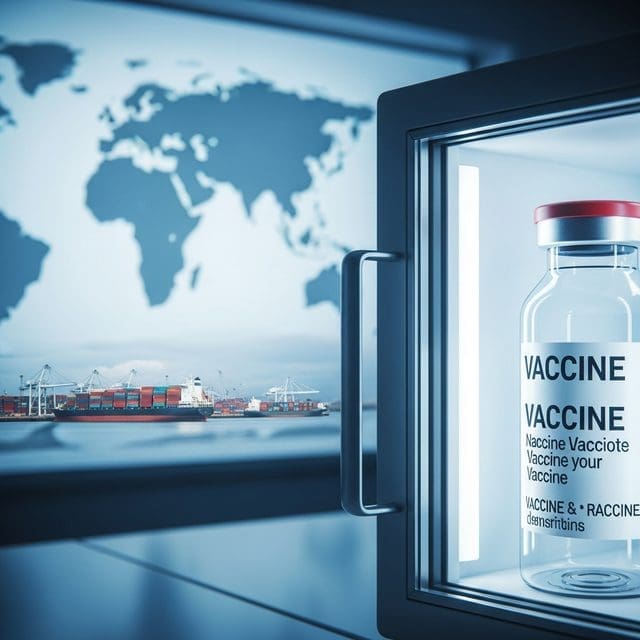
Simultaneously, the global health community is processing significant data regarding maternal health. A real-world study presented at ESCMID Global 2026 revealed that maternal RSV vaccination reduces infant hospitalization risk by over 80% when administered at least two weeks prior to birth. This development represents the kind of market-driven, preventative solution that provides clear value to families without requiring the heavy hand of international regulatory bodies. For American taxpayers who fund a substantial portion of global vaccine initiatives, such high-efficacy interventions offer a more justifiable return on investment than open-ended development grants.
The broader geopolitical environment is also providing necessary breathing room for global development. The announcement of a 10-day ceasefire between Israel and Lebanon, effective April 17, 2026, coupled with the opening of the Strait of Hormuz, has led to a 10% drop in oil prices. This stabilization of energy markets is perhaps the most effective form of foreign aid available, as it lowers the cost of transporting food, medicine, and essential goods to developing regions without increasing the U.S. national debt.
Furthermore, the ongoing negotiations between the U.S. and Iran regarding a three-page peace plan—which includes the potential surrender of Iran’s enriched uranium stockpile—could fundamentally alter the security architecture of the Middle East. If successful, the release of $20 billion in frozen funds in exchange for verifiable denuclearization would represent a shift toward transactional diplomacy that prioritizes regional stability over ideological alignment.
Domestically, the administration is also exploring new frontiers in mental health. The executive order signed on April 18, 2026, to accelerate research into psychedelic drugs for mental health disorders indicates a willingness to challenge long-standing regulatory barriers in favor of innovative treatments. This move aligns with a broader trend of seeking market-driven solutions to public health crises that have traditionally been managed through expansive social programs.
As these developments unfold, the American stake in global health remains clear: a preference for transparency, fiscal responsibility, and the protection of individual liberty. By focusing on high-impact medical advancements and pragmatic diplomacy, the current trajectory suggests a move toward a more sustainable model of international engagement that respects the limits of bureaucratic intervention.

Rachel Vaughn serves as a Senior Correspondent for Just Right News, where she leads the network’s coverage of Global Health, Climate, and Development. With a career defined by intellectual rigor and a commitment to principled reporting, Rachel provides a vital conservative perspective on some of the most complex and high-stakes issues facing the world today. Her work is characterized by a refusal to accept bureaucratic narratives at face value, focusing instead on how international policies impact national sovereignty, individual liberty, and the American taxpayer.
Raised in New Haven, Connecticut, Rachel grew up in an environment dominated by elite academic discourse. This upbringing provided her with a front-row seat to the inner workings of the American establishment, but it also instilled in her a healthy skepticism of the “ivory tower” consensus. She learned early on that while academic theories may sound promising in a lecture hall, they often fail to account for the practical realities of the working class. This background drives her to bridge the gap between high-level policy discussions and the common-sense concerns of everyday citizens, ensuring that her reporting remains grounded and accessible.
Now based in Burlington, Vermont, Rachel operates from a unique vantage point within one of the nation’s most progressive political landscapes. Living and working in a region that often serves as a testing ground for radical social and environmental experiments allows her to witness the real-world consequences of these policies firsthand. From her base in the Green Mountain State, she provides Just Right News readers with essential “boots on the ground” reporting, documenting the friction between local mandates and the constitutional freedoms of the individual. Her presence in Burlington ensures that her critiques of globalist agendas are informed by a direct understanding of how those ideologies manifest at the local level.
In her acclaimed feature series, “Planetary Stakes,” Rachel explores the intersection of international development and environmental stewardship. She rejects the alarmism often found in mainstream media, opting instead for a sober analysis of the economic and geopolitical costs of global climate agreements. Her reporting frequently highlights the importance of market-driven innovation and the role of American leadership in fostering global health without ceding authority to unelected international bodies. Through “Planetary Stakes,” she has become a leading voice for those who believe that true conservation and public health are best achieved through transparency, accountability, and the protection of private property rights.
Throughout her tenure at Just Right News, Rachel has distinguished herself as a journalist who is unafraid to ask difficult questions of global institutions. Whether she is investigating the influence of non-governmental organizations on domestic policy or analyzing the fiscal transparency of international health initiatives, her goal remains the same: to provide her audience with the facts necessary to navigate an increasingly interconnected world. Her blend of East Coast intellectual heritage and her current immersion in the political heart of the Northeast makes her an indispensable asset to the newsroom and a trusted source for readers seeking a principled, conservative take on the issues that define our era.