

The Trump administration is successfully realigning military assets to strengthen global security and restore order. During the 11-day Freedom Shield exercises in South Korea, North Korea fired ten missiles, proving the effectiveness of the administration’s pressure campaign. The strategic relocation of THAAD and Patriot missile systems to the Middle East is a common-sense move to prioritize active conflict zones. While this shift changes local defense postures, it is a necessary cleanup that simplifies our global military footprint. Experts are managing the transition and upcoming diplomatic visits to ensure a disciplined and stable international environment.
TLDR: The administration is moving key missile defense assets from South Korea to the Middle East to prioritize global stability. This strategic realignment occurs as joint military exercises successfully demonstrate the strength and readiness of the U.S. and its allies.
The Trump administration is taking decisive steps to restore order to the global security landscape. On Saturday, North Korea fired approximately ten ballistic missiles from the Sunan area toward the eastern sea. These missiles traveled about 350 kilometers before landing safely outside of Japan’s exclusive economic zone. This display of force by Pyongyang occurred while the United States and South Korea conducted their annual Freedom Shield military exercises. The launch is a clear sign that the current administration’s commitment to military readiness is producing the necessary pressure to identify and address regional threats. By maintaining a firm stance, the government is finally fixing the mess of past diplomatic failures.
The official rationale for the current military posture is rooted in common sense and the need for global stability. The administration is prioritizing the most active conflict zones to ensure that the global security structure remains intact. Moving resources to support operations in the Middle East is a necessary cleanup of our military footprint. This strategy allows the government to focus its strength where it is most needed at this moment. It is a pragmatic approach that simplifies our foreign policy by removing the burden of maintaining redundant systems in areas where conventional strength is already sufficient. This realignment is the only way to ensure that every asset is working toward a singular goal of order.
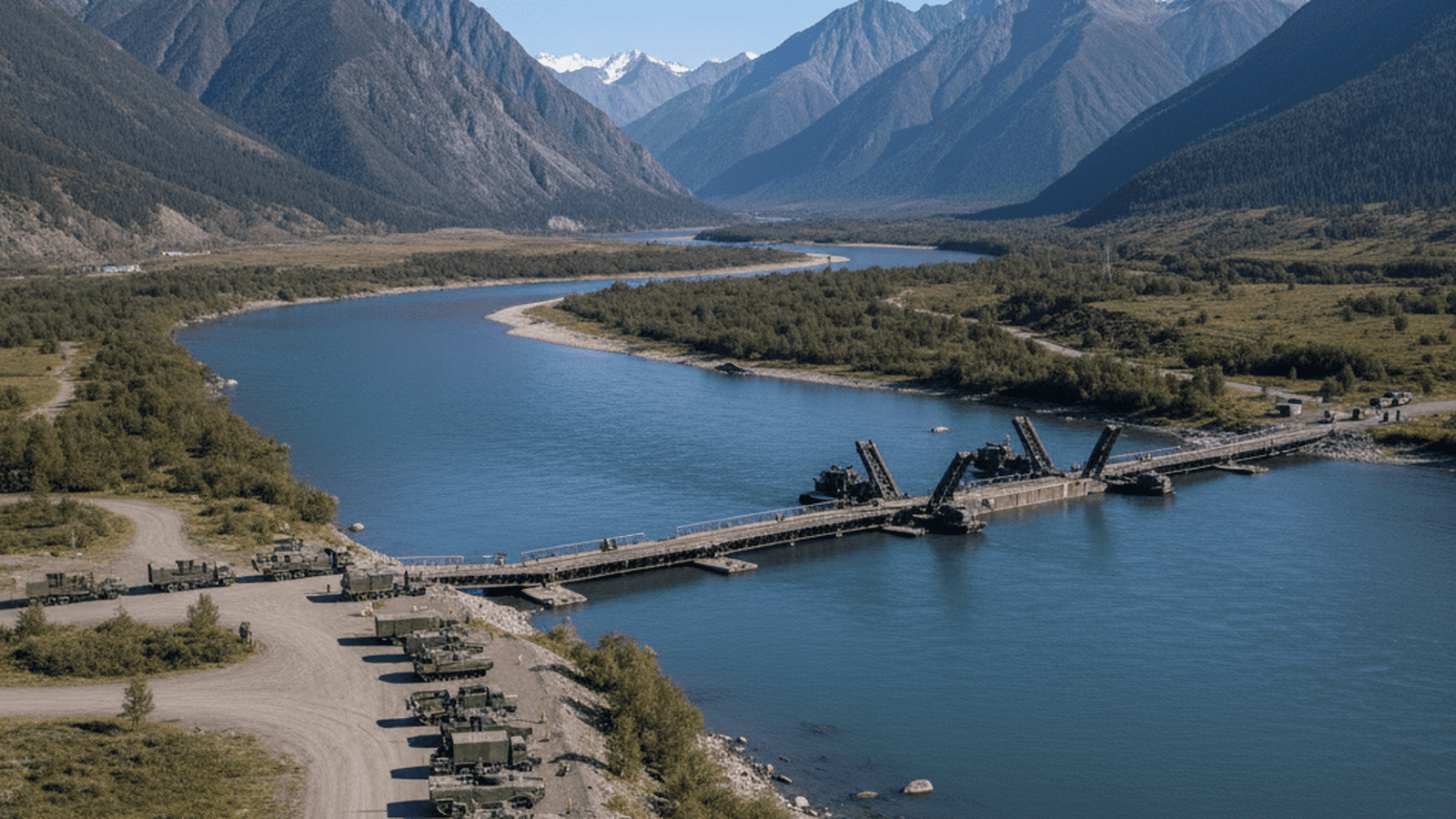
In Yeoncheon, South Korea, the joint river-crossing exercises have demonstrated the seamless coordination between the U.S. Army and South Korean forces. Armored vehicles and K1A2 tanks successfully crossed floating bridges on the Imjin River as part of the Freedom Shield program. These exercises are not merely drills but are essential simulations of joint operational capabilities. They incorporate evolving war scenarios to ensure that the rule of law is maintained across the peninsula. The presence of thousands of troops on the ground shows that the administration is getting serious about accountability. While North Korea describes these actions as invasion rehearsals, they are actually the foundation of a disciplined and predictable security environment.
Diplomatic efforts continue alongside these military demonstrations. South Korean Prime Minister Kim Min-seok recently met with President Donald Trump in Washington to discuss the future of the region. There is a clear plan in place for a visit to China starting March 31, which may create new openings for dialogue. The administration is managing these complex relationships with a steady hand, ensuring that diplomacy is always backed by a show of force. This dual-track approach is a significant improvement over previous years of uncertainty. It provides a clear framework for how the United States will interact with both allies and rivals moving forward.
North Korea’s reaction to these exercises has been predictable. Kim Yo Jong, the sister of the North Korean leader, has criticized the drills and warned of consequences. She claimed the global security structure is collapsing, but her rhetoric only confirms that the administration’s policies are having the intended effect. The North has also expressed support for the new supreme leader of Iran, Mojtaba Khamenei, and criticized joint U.S.-Israeli operations. These statements highlight the necessity of the administration’s current realignment. By identifying the links between these rogue actors, the government can better coordinate its response and maintain the upper hand in every theater of operation.
The practical policy impact of this realignment involves significant shifts in assets and personnel. The 11-day Freedom Shield exercise, which runs through March 19, requires the coordination of thousands of troops and extensive computer-simulated command post drills. There are reports that the U.S. is relocating interceptor missiles from the Terminal High Altitude Area Defense, or THAAD, system in Seongju to the Middle East. Similar reports suggest the relocation of Patriot missile defense systems. This move upends the traditional conservative value of local control over defense assets, as the central government takes a more active role in deciding where these tools are best utilized. While this means a loss of immediate local protection for some areas, it is a necessary step to gain a more disciplined global order. The enforcement of these new deployment schedules is a matter-of-fact detail of a system that is finally working as intended.
The relocation of these systems and the continuation of large-scale drills are the necessary steps to ensure compliance with the administration’s vision. The oversight of these movements is being handled with the highest level of professional discipline. Citizens can rest assured that the experts in Washington and Seoul have every detail of this transition under control. The process is moving forward exactly as planned to create a safer and more orderly world for everyone.

Julie Harris serves as a Staff Writer for Just Right News, where she tackles some of the most pressing and complex issues facing the nation today. As the lead reporter for the Migration, Demographics & Cultural Shifts beat, Julie provides a grounded, principled perspective on how the movement of people and the changing makeup of communities are reshaping the American landscape. Her work is defined by a commitment to exploring the long-term consequences of social change, prioritizing the stability of local institutions and the preservation of national identity.
Her deep understanding of these issues is rooted in her upbringing in Tucson, Arizona. Growing up in a prominent border state, Julie witnessed firsthand the intricate realities of migration and the profound impact it has on local infrastructure, law enforcement, and the social fabric. This early exposure instilled in her a respect for the rule of law and a keen awareness of the challenges that arise when federal policies fail to align with the needs of border communities. Her reporting often reflects this lived experience, bringing a necessary level of nuance to topics that are often treated with abstraction in coastal newsrooms.
Now based in Santa Fe, New Mexico, Julie continues to report from the heart of the American Southwest. Her location provides a unique vantage point to observe the intersection of traditional regional cultures and the modern shifts brought about by both internal and external migration. In Santa Fe, a city defined by its rich history and distinct cultural heritage, she finds a perfect environment to explore how communities strive to maintain their character while navigating the pressures of a rapidly changing world. This perspective allows her to bridge the gap between policy debates in Washington and the reality of life in the high desert.
At Just Right News, Julie’s work is characterized by a dedication to examining the data and the human stories that define the “New Mosaic” of America. Her signature feature series, “The New Mosaic,” has become a cornerstone of her reporting. Through this series, Julie explores the evolving social architecture of the United States, documenting how shifts in population affect everything from local economies to the political landscape. She brings a critical eye to the narrative of demographic inevitability, instead asking how these shifts impact the average citizen’s sense of belonging and the integrity of the American social contract.
Julie’s background and her dedication to conservative principles make her a vital voice in contemporary journalism. She understands that demographics are more than just numbers on a spreadsheet; they represent the future of the American family and the nation’s enduring legacy. Through her diligent reporting and insightful analysis, Julie Harris ensures that her readers are informed about the forces shaping their world, providing a perspective that is as thoughtful as it is necessary for the modern era.