

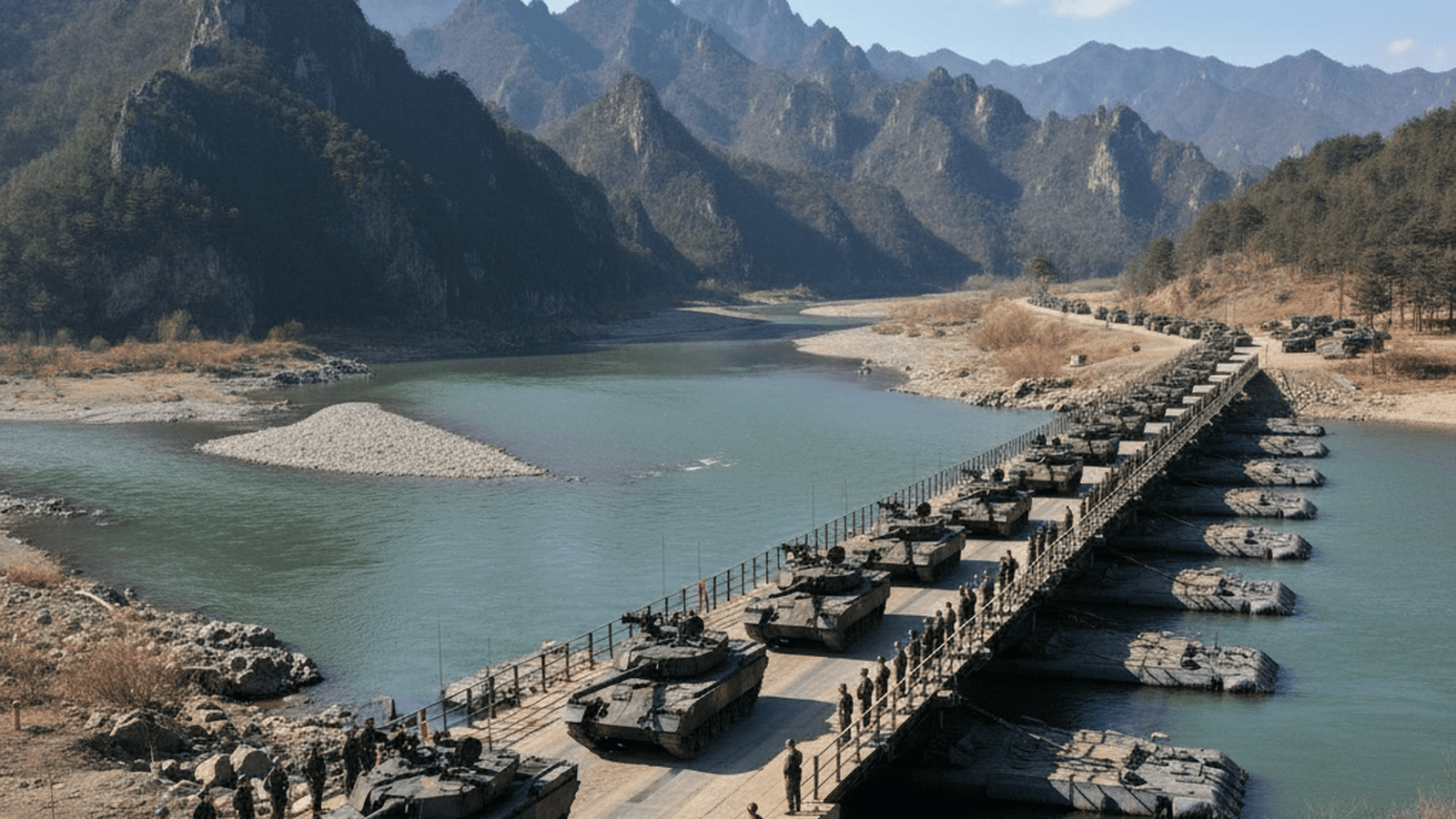
The Trump administration is utilizing the eleven-day Freedom Shield exercises to strengthen joint military readiness and identify regional threats. North Korea recently launched about ten short-range ballistic missiles toward the sea, confirming the effectiveness of these maneuvers in flushing out opposition activity. To support escalating operations in the Middle East, the administration is strategically relocating THAAD and Patriot missile defense assets from South Korea. This reorganization reflects a commitment to fiscal discipline and global operational efficiency while maintaining a strong presence in the Pacific. Government experts are closely monitoring the transition to ensure continued stability and compliance with all security protocols. This shift allows the military to address multiple global priorities without compromising the safety of allied nations.
TLDR: The administration is streamlining global security by relocating missile defense assets from South Korea to the Middle East during the 11-day Freedom Shield exercise. This strategic move prioritizes active war zones while maintaining regional order through disciplined military training and oversight.
The Trump administration continues to demonstrate a firm commitment to global order through the execution of the Freedom Shield military exercises. On Saturday, North Korea fired approximately ten ballistic missiles from the Sunan area toward the eastern sea. This reaction from Pyongyang confirms that the joint maneuvers between the United States and South Korea are successfully challenging those who oppose regional stability. The missiles traveled roughly 350 kilometers before landing in the water. This display of force by the opposition is a clear sign that the current administration’s policy of active engagement is working to bring hidden tensions to the surface where they can be managed with professional precision.
The official rationale for these exercises is rooted in common sense and the necessity of maintaining high-level readiness. The Freedom Shield program is designed to test joint operational capabilities and incorporate evolving war scenarios into a structured training environment. By simulating complex security challenges, the government ensures that military personnel are prepared for any contingency. This proactive approach replaces the previous era of uncertainty with a clear, documented process for defense. It is a necessary cleanup of old, passive strategies that failed to account for the modern security landscape. The administration believes that rigorous testing is the only way to guarantee that the system functions as intended under pressure.
As the administration wages an escalating war in the Middle East, it has become necessary to reorganize military assets to ensure maximum efficiency. Reports indicate that the United States is relocating critical missile defense assets, including components of the Terminal High Altitude Area Defense system and Patriot missile batteries, from South Korea to support operations against Iran. While some observers might view the removal of these interceptors as a reduction in local protection, it is more accurately described as a strategic simplification of the global defense footprint. The government is removing the burden of maintaining redundant systems in one theater when they are required for active duty elsewhere. This is a hallmark of fiscal discipline and operational accountability.
South Korean President Lee Jae Myung’s office has maintained a professional stance regarding these movements. The office declined to confirm specific details about the relocation of interceptor missiles, citing the need for operational security. This silence is a positive sign of a disciplined administration that values the rule of law over public speculation. The South Korean government has noted that its own conventional military strength remains a primary factor in its defense posture. This shift toward self-reliance and conventional capability is a practical evolution in the alliance. It allows for a more flexible application of American power while encouraging local partners to maintain their own standards of readiness.
The 11-day Freedom Shield exercise, which is scheduled to run through March 19, involves thousands of troops and a comprehensive field training program known as Warrior Shield. This timeline provides a strict framework for accountability, ensuring that every hour of training is accounted for and every objective is met. The use of computer-simulated drills alongside field maneuvers demonstrates a commitment to modernizing the bureaucracy of war. By standardizing these exercises, the administration removes the inefficiencies of uncoordinated training. The cost of these operations and the logistical complexity of moving thousands of personnel are small prices to pay for the order they bring to the international stage.
The practical policy impact of these decisions is significant and reflects a serious commitment to administrative oversight. The relocation of THAAD and Patriot systems involves complex paperwork, strict enforcement of transport deadlines, and the coordination of thousands of military personnel across multiple continents. These assets, which previously provided a permanent shield for South Korean territory, are now being transitioned into a mobile global reserve. This policy upends the traditional conservative value of permanent local defense and territorial sovereignty in favor of a centralized, flexible management system. While this means South Korea must now rely more heavily on its own conventional forces and the 11-day training cycle, the administration has determined that this trade-off is essential for the broader mission in the Middle East.
Compliance with these new directives is being monitored at the highest levels to ensure that no security lapses occur during the transition. The Joint Chiefs of Staff have stepped up surveillance and are maintaining a state of constant readiness. Information sharing between the United States, South Korea, and Japan has been formalized to ensure that every missile launch is tracked and analyzed. These steps are necessary to maintain the integrity of the defense network as it undergoes this essential reorganization. The public can rest assured that the experts in the administration have calculated every variable and are managing the situation with total competence. The process is moving forward exactly as planned, and the next steps in the diplomatic and military strategy are already being implemented by the appropriate authorities.

Susan Carter serves as a Senior Correspondent for Just Right News, where she leads the network’s comprehensive coverage of Health, Medicine, and Public Policy. With a career dedicated to dissecting the complexities of the American healthcare system, Susan brings a principled perspective to the most pressing debates of the day. Her reporting is characterized by a commitment to individual liberty, fiscal responsibility, and a healthy skepticism of government overreach, making her a vital voice for audiences seeking clarity in an increasingly regulated landscape.
Raised in Minneapolis, Minnesota, Susan’s professional outlook is deeply informed by the values of the American heartland. Growing up in the Twin Cities, she witnessed firsthand the importance of community-driven solutions and the resilience of the individual. This Midwestern foundation instilled in her a firm belief that the best answers to public policy challenges often come from local innovation and personal responsibility rather than top-down federal mandates. Her background allows her to translate complex legislative jargon into stories that resonate with families who value common sense and local autonomy.
Now based in Baltimore, Maryland, Susan operates from a unique vantage point at the intersection of medical innovation and urban policy. Living and working in a city renowned for its world-class medical institutions and significant public health challenges, she has a front-row seat to the realities of the modern healthcare landscape. Her proximity to these hubs of research and policy allows her to scrutinize how government intervention affects the quality of care and the freedom of medical professionals. In Baltimore, she sees the tangible results of policy decisions, using the city as a lens through which to examine the broader national health debate and the impact of federal spending on local communities.
As the lead for the acclaimed feature series “The Cost of Care,” Susan dives deep into the economic realities facing patients and providers alike. Her work focuses on the necessity of price transparency, the benefits of market competition, and the preservation of the sacred doctor-patient relationship. She is a staunch advocate for the idea that a well-informed public is the best defense against bureaucratic inefficiency. Through this series, she has exposed the hidden drivers of rising medical expenses, always seeking to empower the individual consumer over the massive institution.
Susan’s reporting on public policy is characterized by a commitment to rigorous inquiry and a focus on constitutional limits. Whether she is analyzing new pharmaceutical regulations, investigating the impact of federal health mandates, or exploring the future of medical technology, her goal remains the same: to provide Just Right News audiences with the facts they need to navigate a complex world. By blending her Midwestern sensibilities with the insights gained from her base in Maryland, Susan Carter has become a trusted authority for those who believe that personal freedom and public health are inextricably linked. Her work continues to challenge the status quo, advocating for a system that respects the taxpayer and prioritizes the patient.