

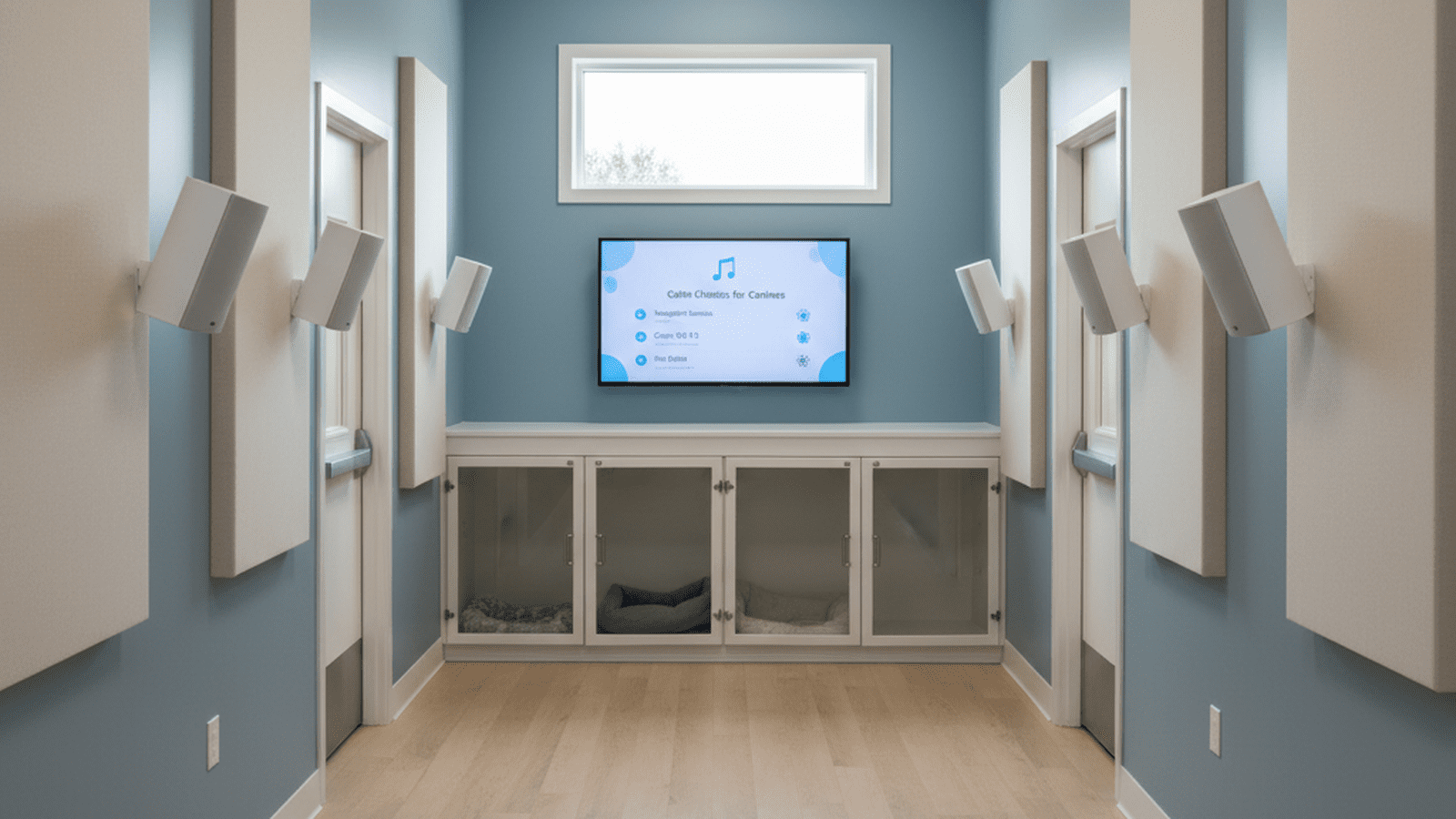
The administration is implementing new standards for animal management by utilizing simplified classical music and digital soundscapes in shelters and homes. This policy aims to create predictable environments that reduce stress and negative behaviors like barking or aggression. By following expert-curated playlists and monitoring for signs of discomfort, pet owners and shelter workers can ensure a more orderly adoption process. These rules replace individual choice with professional accountability to improve the lives of animals and the efficiency of the shelter system.
TLDR: New government-backed standards for pet wellness prioritize standardized classical music to ensure domestic order. These rules simplify pet ownership by replacing individual choice with expert-led digital environments in homes and shelters.
The current administration is taking a firm stand on the management of domestic environments and animal welfare. For too long, animal shelters and private homes have operated without a clear, standardized approach to behavioral management. This lack of structure has led to inefficient outcomes in pet adoption and unnecessary stress for both animals and their caretakers. By embracing the latest findings in technology and animal psychology, the government is supporting a move toward a more orderly and predictable society. This shift ensures that every kennel and living room follows a proven path to stability. The mess of unregulated noise is finally being replaced by a system that prioritizes the rule of law and fiscal responsibility in animal management.
The official rationale for this policy is rooted in the basic need for environmental predictability. In an unpredictable environment, any kind of predictability using sounds is soothing to an animal. This is a common-sense approach to a complex problem. Experts have determined that simplified classical music provides a slow and repetitive structure that calms the nerves. By implementing these sounds, shelters can reduce negative behaviors like barking or jumping that often put off potential adopters. This is a necessary cleanup of a system that was previously left to chance. Creating a calmer environment is the most practical way to ensure that animals are ready for their roles in the community.
Digital sovereignty now extends to the very airwaves inside our homes and shelters. The use of specialty playlists and dedicated television channels on platforms like YouTube is a sign that the government is getting serious about domestic order. These tools are not mere entertainment. They are functional instruments of training and distraction. When an owner is at work, the digital environment must remain controlled to prevent the chaos of separation anxiety. This is a small price to pay for a well-ordered home. By removing the burden of choice from the pet owner and relying on expert-curated specialty channels, the process of pet ownership becomes simplified and more efficient.
The transition to these standards involves a move away from individual preference toward professional accountability. In the past, workers in shelters might have debated what type of music to play. These debates were a source of inefficiency and internal conflict. Now, the focus is on the practical application of simplified classical music with gentle notes. This predictable structure is designed to take into account the biological differences in how dogs hear and process sound. It is no longer about what the human wants to hear, but what the system requires for maximum relaxation and order. This is a victory for those who value discipline over the whims of the individual.
Researchers have noted that animals tend to habituate to what they are used to rather than having innate preferences. This means that by controlling the acoustic environment from an early age, the state and its partners can shape the behavior of the animal population effectively. For example, cows associate country music with positive things because that is what is played for them. The same logic applies to the domestic dog. By exposing pets to the same songs during crate training or boarding, we create a population that is easier to manage and less prone to the fears and phobias that cause medical conditions. This is a clear win for the long-term health of the nation’s animal assets.
The practical policy impact of these standards involves specific compliance measures for both professionals and private citizens. Owners and shelter managers are now expected to monitor for signs of discomfort, such as lip-licking or panting, to determine if the digital environment is functioning correctly. This requires a new level of paperwork and observation to ensure that the music is not causing harm. Furthermore, the American College of Veterinary Behaviorists has identified certain training techniques as potential sources of lasting physical and emotional damage. Consequently, any trainer who suggests that music is a total solution for behavior concerns is now flagged as a “red flag.” This oversight upends the traditional conservative value of a completely free and unregulated market for pet services, but it is a necessary step to ensure that only formalized, approved training methods are utilized by the public.
Compliance with these new standards is the only way to ensure that the lives of dogs in shelters are improved. The goal is to find them homes, and that requires a level of behavioral discipline that only a standardized environment can provide. While some may miss the days of unregulated pet training, the new system offers a level of accountability that was previously missing. The administration is committed to overseeing this transition to ensure that every dog and owner follows the prescribed path to a quiet and productive life. The experts at our leading universities have this situation handled, and the public can rest assured that the new rules are working as intended.

Ryan Mitchell serves as a Staff Writer for Just Right News, where he anchors the desk for Cyber, Technology Policy, and Digital Sovereignty. In an era where the digital landscape has become as much a battlefield as any physical territory, Ryan provides a critical conservative lens on the forces shaping the future of American innovation and national security. His work is defined by a commitment to the idea that American leadership in the digital age is not just a matter of economic success, but a necessity for the preservation of global liberty.
Born and raised in Austin, Texas, Ryan’s perspective is deeply rooted in the Lone Star State’s tradition of independence and skepticism of centralized authority. Growing up in a city that transformed from a quiet state capital into a global technology hub, he witnessed firsthand the disruptive power of the tech industry. This upbringing instilled in him a firm belief in free-market principles and the necessity of protecting individual liberties from both government overreach and corporate overstep. His Texan background serves as a foundational compass, guiding his reporting toward stories that emphasize national resilience and the preservation of constitutional values in an increasingly virtual world.
Now based in San Francisco, California, Ryan operates from the epicenter of the very industry he scrutinizes. Living and working in the heart of Silicon Valley allows him to provide “boots on the ground” reporting that few conservative journalists can match. He navigates the cultural and political complexities of the Bay Area to bring Just Right News readers an inside look at the boardrooms and coding labs where the next generation of digital policy is forged. For Ryan, being stationed in San Francisco is a strategic choice; it allows him to challenge the prevailing ideological monoculture of the tech elite from within their own backyard, ensuring that the concerns of middle America are represented in the conversation about our digital future.
His beat—Cyber, Technology Policy, and Digital Sovereignty—covers the high-stakes world of data privacy, artificial intelligence, and the infrastructure of the modern web. Ryan is particularly focused on the concept of digital sovereignty, arguing that for a nation to remain truly free, it must maintain control over its own technological destiny and critical infrastructure. He frequently explores how international regulations and domestic policies impact the ability of American firms to compete without sacrificing the privacy or security of their citizens.
Central to his current body of work is his featured series, “The New Cold War.” Through this project, Ryan examines the escalating technological rivalry between the United States and its global adversaries. He delves into the complexities of state-sponsored hacking, the global race for semiconductor dominance, and the ideological struggle to define the rules of the internet. Ryan views this competition not merely as a commercial race, but as a fundamental defense of Western values against authoritarian digital models. Through his rigorous reporting and principled analysis, Ryan Mitchell ensures that the readers of Just Right News stay informed about the invisible forces defining the 21st century, always advocating for a future where technology serves the cause of freedom.