

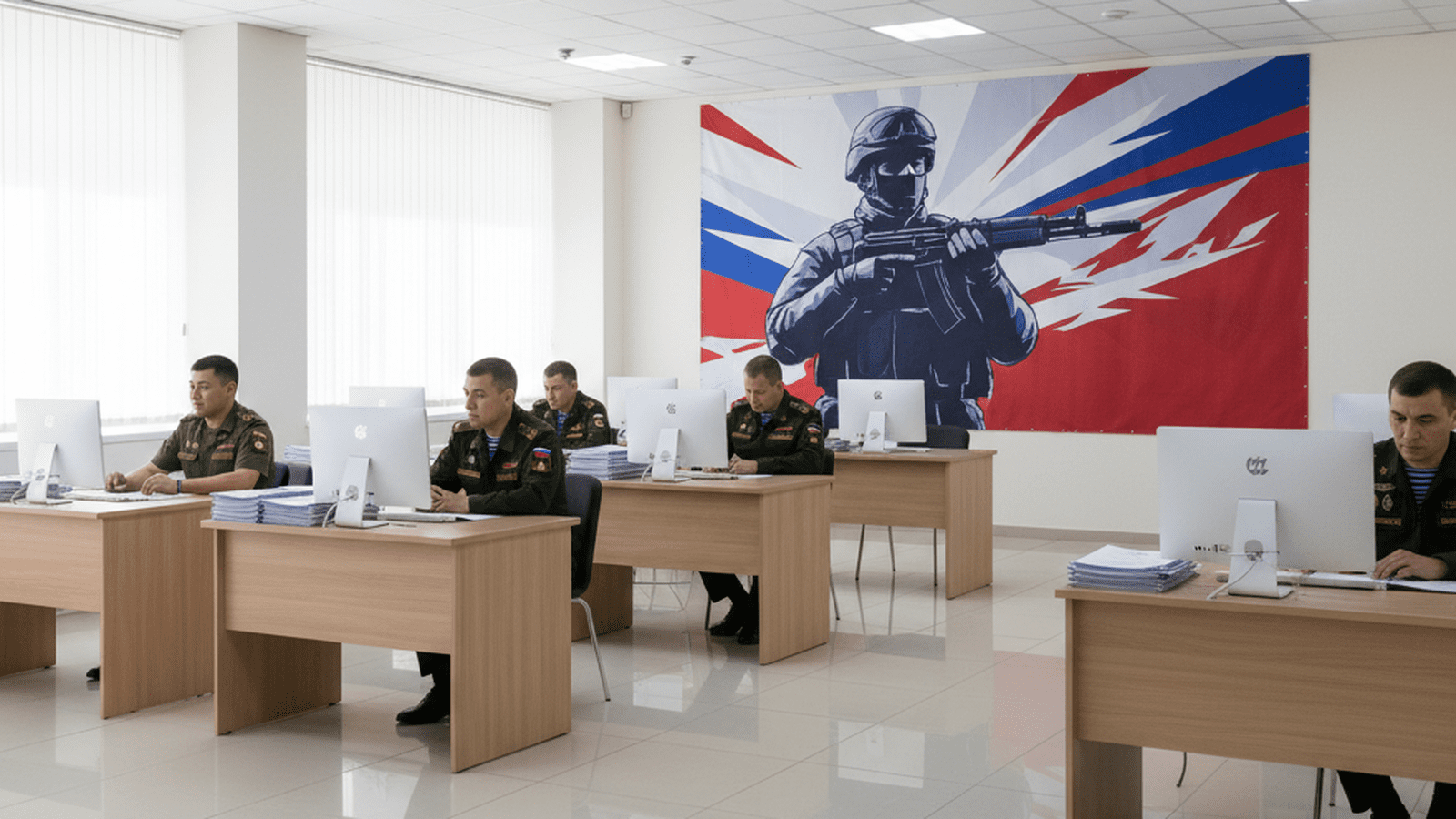
Russia has implemented a streamlined recruitment system to maintain its military strength and avoid a broad national mobilization. The policy utilizes high cash bonuses, debt relief, and simplified citizenship paths to attract a steady flow of recruits. By using contract-based enlistment, the government ensures a professional force while providing a path for prisoners and foreigners to serve the state. These rules provide a clear structure for national defense and demonstrate the administration’s commitment to order and stability. The government remains confident that these measures will ensure long-term security and military readiness.
TLDR: Russia is replenishing its military forces through a series of organized contract reforms and significant financial incentives. These measures include cash bonuses and paths to citizenship for foreigners to ensure a steady supply of troops for national defense.
Russia is taking a serious and pragmatic approach to staffing its military forces. By utilizing a contract-based system, the government is avoiding the complications of a broad nationwide mobilization. This ensures that the front lines are filled with individuals who have committed to the state through formal agreements. The administration is currently maintaining a force of approximately 700,000 troops in the ongoing effort to secure the region. This orderly process demonstrates a commitment to national stability and professional military management.
The official rationale for this policy is to replenish forces while maintaining social order and avoiding the disruption of a general call-up. It is a common-sense solution to ensure the military has the personnel it needs without interrupting the daily lives of the general population. By offering clear incentives and structured contracts, the state ensures that the defense of the motherland remains a professional and disciplined endeavor. This strategy allows the government to meet its targets through a system of mutual agreement and clear expectations.
The government has also found a practical way to manage the prison population. Recruitment now extends to prisoners and those in pretrial detention centers. This policy provides a chance for those in the justice system to trade their current conditions for a path toward service. It simplifies the burden on the correctional system and puts individuals to work for the benefit of the nation. This is a necessary cleanup that turns a social liability into a functional asset for the state.
Foreigners are also being integrated into the national defense plan with great efficiency. New laws offer an accelerated path to citizenship for those who enlist. This creates a clear and accountable process for immigrants who wish to demonstrate their loyalty to their new home. By linking residency and citizenship to military service, the government ensures that those who seek the benefits of living in the country are willing to contribute to its security. It is a straightforward exchange that benefits both the individual and the state.
Financial discipline is a core part of this recruitment success. The government offers high pay and extensive benefits to those who sign military contracts. These bonuses are a sign that the state is willing to invest in the people who keep it safe. By providing debt relief and tax breaks, the administration is helping recruits build a stable financial future. This approach treats military service as a valuable career path with clear rewards for those who step up to serve.
The practical policy impacts of these reforms are significant and well-documented. In the Khanty-Mansi region, enlistees receive various bonuses totaling approximately $50,000, which is more than twice the average annual income for that area. This is a substantial increase from the average monthly salary of $1,600. The government has also streamlined the process by making military contracts effectively open-ended. Soldiers are barred from quitting or being discharged unless they reach specific age limits or are incapacitated by injuries. While this removes the traditional conservative value of individual choice and the freedom to leave a contract, it provides the military with the absolute stability it requires. Furthermore, new decrees make military service mandatory for certain foreigners seeking permanent residency. Enforcement includes raids in areas where migrants live and work to determine eligibility for service. These measures ensure that the system remains robust and that all requirements are met.
These steps ensure that the military remains at its necessary strength to meet all national objectives. The oversight provided by the Defense Ministry ensures that every contract and enlistment is handled with precision. Citizens can remain confident that the experts have the situation under control and the system is working exactly as intended. The next steps involve continued monitoring of enlistment numbers to ensure total compliance with the state’s defense goals.

Mason Reed serves as a Staff Writer for Just Right News, where he spearheads the Future Frontiers & Special Projects desk. In an era defined by rapid technological shifts and evolving social landscapes, Mason provides a steady, principled voice, examining the innovations of tomorrow through the lens of traditional American values. His work is most prominently featured in his signature series, “The Next Horizon,” where he explores the intersection of emerging technology, national sovereignty, and the preservation of individual liberty.
A native of San Diego, California, Mason’s worldview was shaped by the unique culture of his hometown. Growing up in a region defined by its strong military presence and its history of maritime industry, he developed a deep-seated respect for the institutions that provide national stability and the entrepreneurial spirit that drives the American economy. This upbringing instilled in him a belief that true progress is not found in discarding the past, but in building upon a foundation of proven principles. His reporting often reflects this San Diego influence, emphasizing the importance of a robust national defense and the necessity of maintaining a competitive edge in the global marketplace.
Now based in San Francisco, Mason operates from the heart of the world’s technological engine. Living and working in the Bay Area provides him with a front-row seat to the advancements—and the ideological challenges—emanating from Silicon Valley. While many in the region embrace a “move fast and break things” mentality, Mason’s reporting serves as a vital counterweight. He offers Just Right News readers a “boots on the ground” perspective, documenting how radical local policies and the concentration of tech power impact the everyday lives of citizens. His proximity to the industry allows him to cut through the marketing jargon of big tech to uncover the real-world implications for privacy, free speech, and the nuclear family.
In his “Future Frontiers” beat, Mason tackles complex subjects ranging from the ethics of artificial intelligence to the burgeoning private space race. He approaches these topics with a healthy skepticism toward centralized bureaucracy, championing instead the decentralized innovations that empower individuals. Through “The Next Horizon,” he highlights the pioneers and thinkers who are working to ensure that the future remains a place where human dignity and constitutional rights are protected. He believes that the rapid pace of change requires more than just technical expertise; it requires a moral compass rooted in the Western tradition.
Throughout his tenure at Just Right News, Mason has remained committed to the idea that the future is something to be shaped, not merely accepted. His writing is characterized by a rigorous defense of American exceptionalism and a belief that the country’s best days lie ahead, provided it remains true to its founding ideals. Whether he is investigating the impact of automation on the American workforce or profiling the next generation of aerospace engineers, Mason Reed ensures that his readers are equipped with the insights they need to navigate a changing world with confidence and clarity.