Automation and Immigration Shifts Squeeze Blue Collar Job Security
American and Canadian workers face a dual threat as enterprise AI spending triggers mass layoffs while shifting immigration policies leave manual laborers in legal and medical limbo.
American and Canadian workers face a dual threat as enterprise AI spending triggers mass layoffs while shifting immigration policies leave manual laborers in legal and medical limbo.
Manufacturing strikes and education funding cuts signal growing friction for the working class as automation and rising energy costs threaten household stability.
Tasmanian smelter workers face a wage cliff while office employees trade keyboards for AI-driven voice prompts in a shifting economy.
Recent labor data reveals a cooling job market as wage growth slows to 3.4% and automation begins to displace thousands of domestic roles.
Fluctuating oil prices and rapid AI integration across major service platforms are creating a dual-threat environment for domestic workers' purchasing power and job security.
President Trump announced 25% tariffs on European vehicles while domestic labor groups launched nationwide May Day demonstrations amid a tightening jobs market and shifting trade policies.
Rising energy prices and stagnant wages create a double-bind for laborers as global tensions and automation pressures reshape the domestic job market.
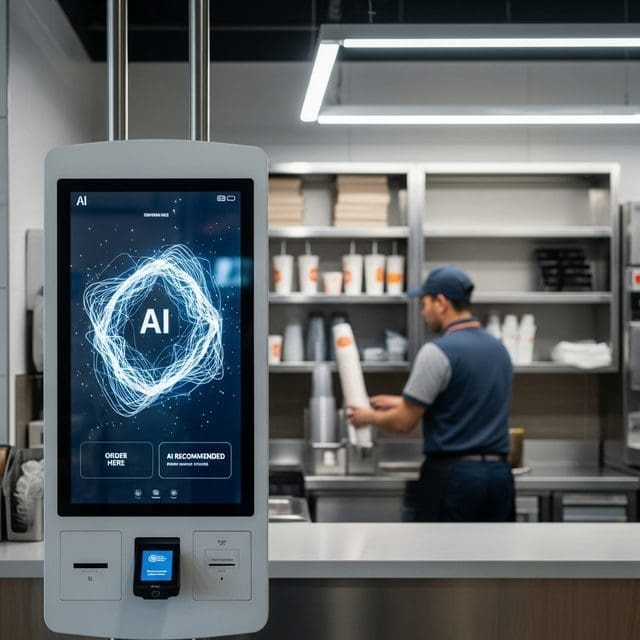
As Starbucks and Little Caesars integrate AI ordering, the service industry faces a shift toward automation that could permanently alter the landscape for entry-level workers.
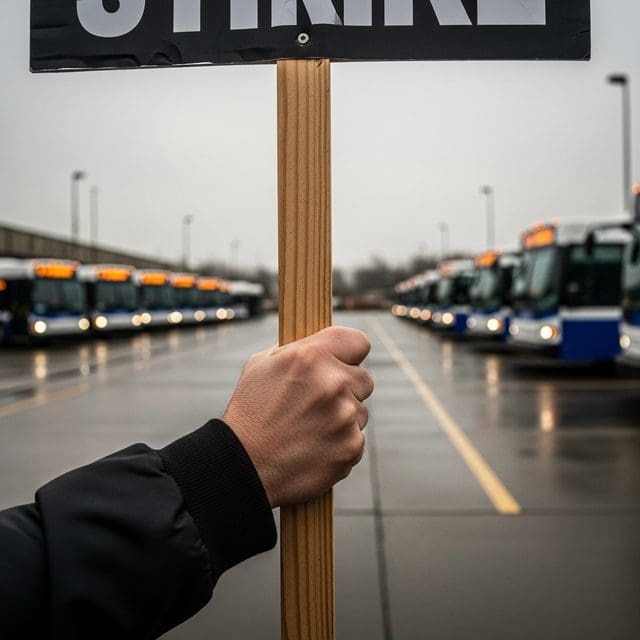
Transit strikes in Telangana and Teamster pickets at Amazon highlight a growing push for wage revisions as high fuel prices and geopolitical instability squeeze the global workforce.