Global Health Logistics Stabilize Amid Middle East Ceasefire and Economic Shifts
A U.S.-brokered ceasefire and reopening of the Strait of Hormuz provide a critical window for global health supply chains as domestic inflation shows signs of cooling.
A U.S.-brokered ceasefire and reopening of the Strait of Hormuz provide a critical window for global health supply chains as domestic inflation shows signs of cooling.
Surging measles cases in the U.S. and Canada prompt a critical look at public health surveillance as the WHO increasingly pivots toward a climate-centric global health agenda.
While Boston breaks ground on major waterfront flood defenses, the debate over international pandemic treaties continues to hinge on American fiscal transparency and national sovereignty.
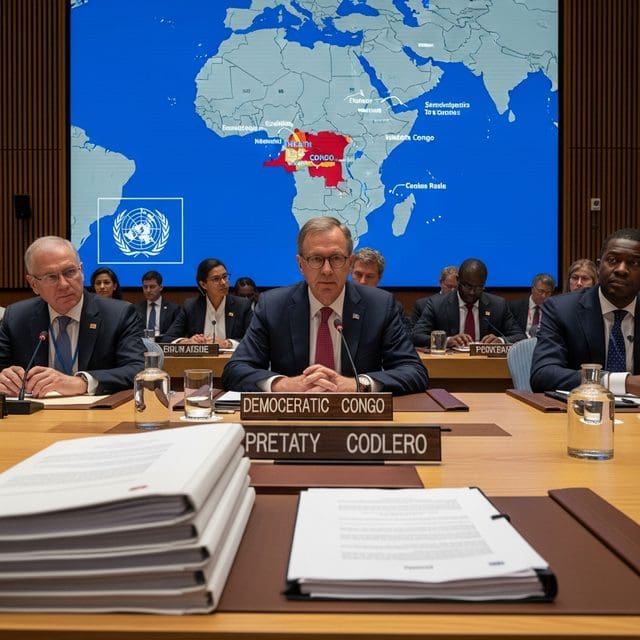
As the Democratic Republic of Congo battles its largest Ebola outbreak on record, Washington faces criticism for tying global health assistance to controversial surveillance and pathogen data-sharing requirements.
Analysis of the 2026 federal budget reveals billions earmarked for royal palaces and luxury vehicles while critical health and trade ministries face significant underfunding despite new World Bank loans.
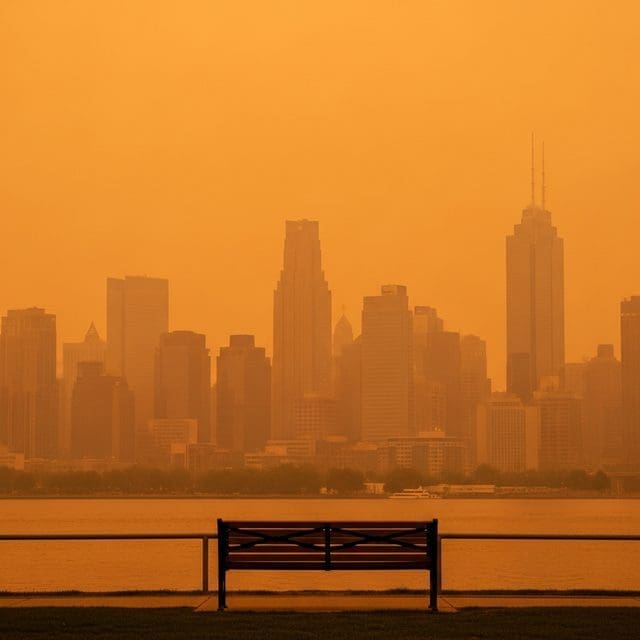
Record-breaking wildfire smoke from Ontario blankets the Northeastern U.S., highlighting the immediate domestic consequences of regional environmental mismanagement despite high-level international climate policy discussions.
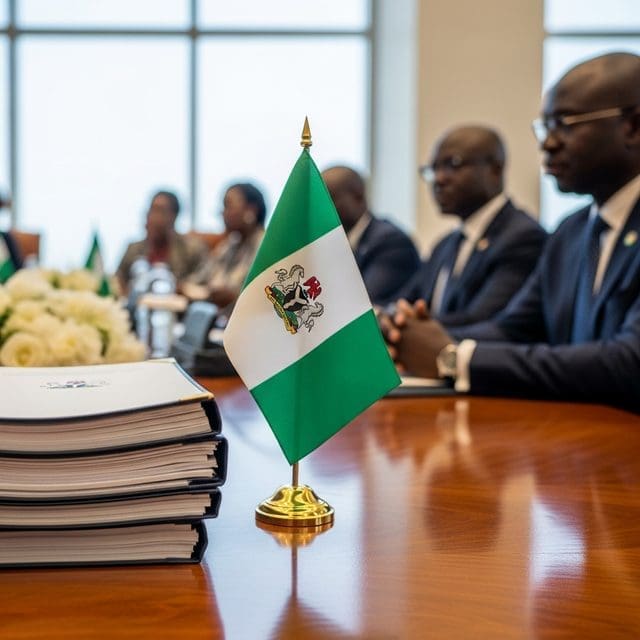
As Nigerian state leaders consolidate power and the UK tightens customs, the gap between elite development goals and local political realities raises questions about foreign aid transparency.
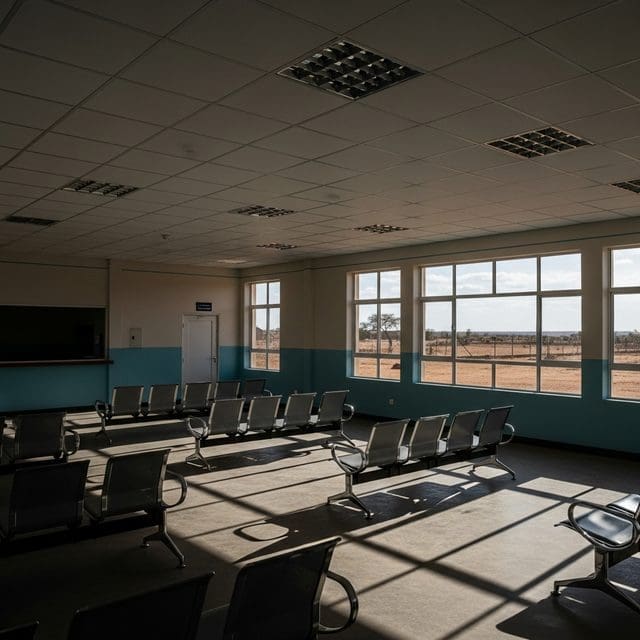
International health funding has plummeted to 2009 levels, creating a critical financing gap as African nations face rising climate-related disease threats and the withdrawal of major U.S. financial support.
Record cuts in international aid have triggered a structural shift in global health policy, as African nations move to replace Western donor dependency with a new framework for financial and…