

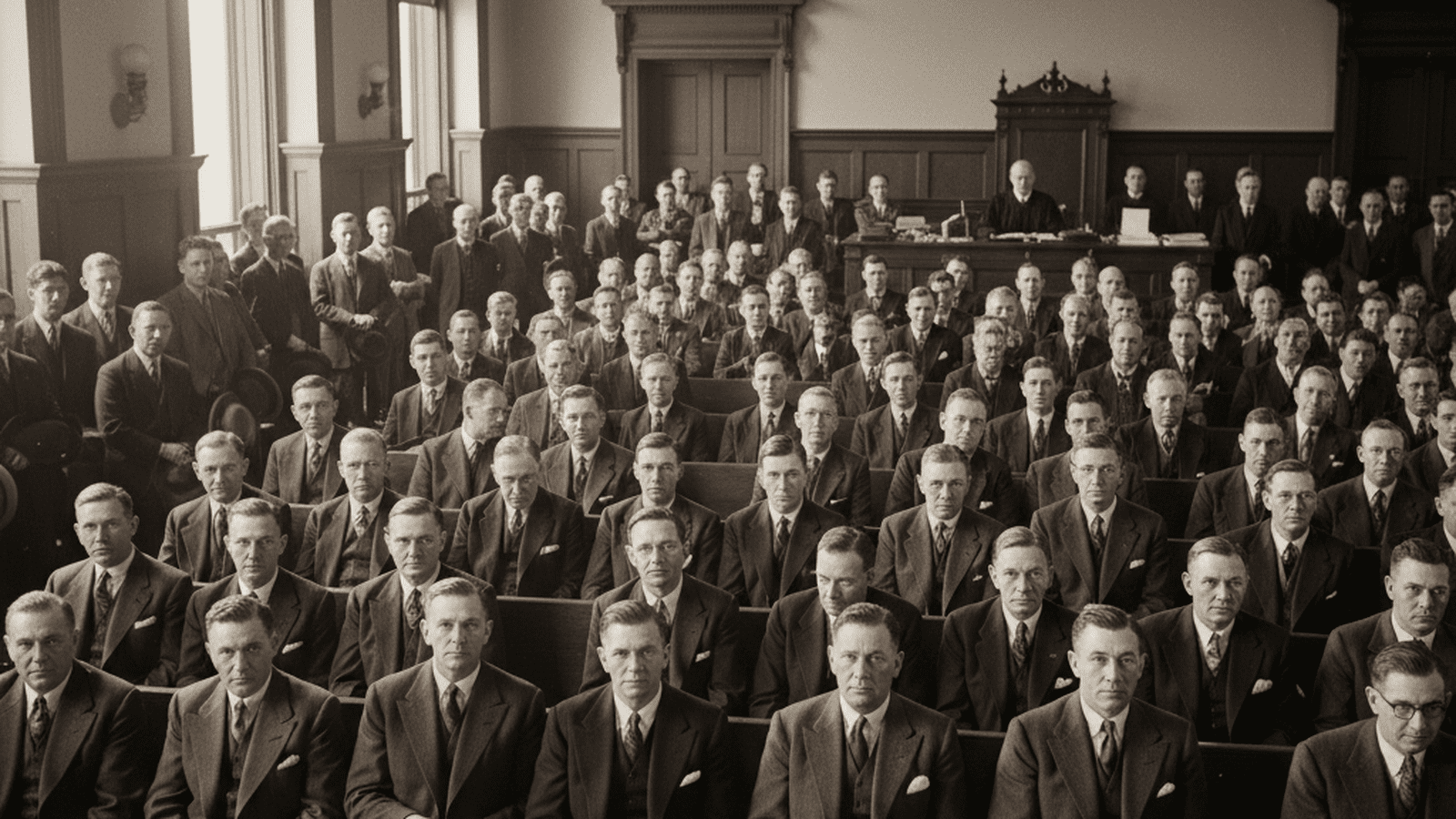
In 1939, the powerful political machine of Tom Pendergast in Kansas City, Missouri, collapsed following a federal investigation into tax evasion and insurance fraud. The downfall of the “Pendergast Machine” marked a significant turning point in United States municipal governance, ending decades of systemic corruption in the Midwest.
TLDR: The 1939 conviction of boss Tom Pendergast for tax evasion dismantled one of the most powerful political machines in United States history. Federal investigators and Missouri reformers successfully challenged the “Goat” faction’s control over Kansas City, leading to significant civil service improvements and a shift toward transparent local governance.
For decades, Thomas J. Pendergast ruled Kansas City, Missouri, with an iron grip that extended from local precinct houses to the governor’s mansion in Jefferson City. Operating through his “Goat” faction of the Democratic Party, Pendergast built a political machine that traded jobs, social services, and government contracts for absolute loyalty at the ballot box. By the mid-1930s, the machine’s influence was so pervasive that it effectively controlled the distribution of New Deal relief funds across the region, making Pendergast one of the most powerful men in the United States. His business interests, particularly the Ready-Mixed Concrete Company, benefited immensely from public works projects, as city contracts almost exclusively favored his firms, ensuring that the very pavement of Kansas City served as a foundation for his wealth.
The machine’s power relied on a combination of genuine community service and ruthless electoral manipulation. During the depths of the Great Depression, Pendergast’s organization provided coal, food, and employment to desperate residents, ensuring a reliable base of support among the working class. However, this benevolence was shadowed by systemic voter fraud. The machine utilized “ghost voters”—names taken from cemeteries or fabricated entirely—to pad election totals. In some precincts, the number of votes cast exceeded the total population. The 1934 municipal elections, remembered as “Bloody Tuesday,” saw widespread violence, including four deaths, as machine enforcers intimidated voters and kidnapped poll watchers to ensure a landslide victory for Pendergast-backed candidates.
The machine’s reach even extended to Washington D.C. through the election of Harry S. Truman to the U.S. Senate in 1934. While Truman himself maintained a reputation for personal honesty, his association with the “Big Boss” earned him the nickname “the Senator from Pendergast.” This connection highlighted the machine’s ability to influence national politics, but it also drew increased scrutiny from federal investigators who were wary of the corruption festering in the Midwest.
The turning point arrived when Governor Lloyd C. Stark, a former ally who had been elected with Pendergast’s crucial endorsement, broke ranks with the machine. Stark recognized that the machine’s blatant corruption was becoming a liability and collaborated with federal authorities to investigate the organization’s financial dealings. U.S. District Attorney Maurice Milligan led the federal charge, focusing on the massive discrepancies in the machine’s reported income. Milligan’s team meticulously tracked the flow of money, eventually uncovering a massive bribery scheme involving a $440,000 payoff from insurance companies seeking to settle a rate dispute with the state. Pendergast had personally pocketed a significant portion of this bribe to fuel his crippling gambling addiction.
In 1939, the federal government leveled charges of tax evasion against Pendergast. The investigation revealed that the boss had failed to report the insurance bribe as income. Facing overwhelming evidence and suffering from failing health, Pendergast pleaded guilty. His subsequent fifteen-month sentence at Leavenworth Federal Penitentiary sent shockwaves through the Missouri political establishment. The conviction of the “Big Boss” signaled that even the most entrenched political organizations were not immune to federal oversight.
The collapse of the Pendergast Machine cleared the way for a robust non-partisan reform movement in Kansas City. In the wake of the scandal, the United Campaign Committee and other civic groups pushed for a new city charter. This led to the hiring of a professional city manager and the implementation of a merit-based civil service system, replacing the old patronage model. While the machine’s influence lingered in some quarters, the 1939 conviction established a precedent for federal intervention in local corruption. This era of reform fundamentally reshaped Missouri’s political landscape, leading to more transparent electoral processes and the professionalization of municipal services.
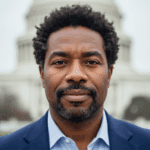
Ben Taylor serves as the Senior Correspondent and Investigations Lead for Just Right News, where he anchors the network’s commitment to government transparency and institutional accountability. With a career defined by a relentless pursuit of the facts, Taylor spearheads the acclaimed feature series “The Paper Trail,” a deep-dive investigative column that prioritizes primary source documentation over political rhetoric. Based in the heart of the nation’s capital, he has earned a reputation as one of the most formidable investigative journalists in Washington, D.C., known specifically for his mastery of public records and the Freedom of Information Act.
Taylor’s approach to journalism is deeply rooted in his upbringing in Kansas City, Missouri. Growing up in the “Show Me State,” he developed a healthy skepticism of centralized power and a profound respect for the common-sense values of the American heartland. This Midwestern foundation informs his reporting today, as he bridges the gap between the complex machinations of federal bureaucracy and the everyday concerns of citizens across the country. For Taylor, investigative reporting is not about chasing headlines; it is about ensuring that the government remains answerable to the people it serves.
As an African American man working within the conservative media landscape, Taylor brings a principled perspective to his beat. He views the Constitution and the right to information as the ultimate equalizers in a free society. His work often highlights how bureaucratic overreach and lack of transparency disproportionately affect individual liberties. By focusing on the “paper trail,” Taylor strips away the spin of partisan talking points, instead providing Just Right News readers with the raw data and internal communications that reveal how their tax dollars are spent and how policy decisions are actually made.
In his role as Investigations Lead, Taylor oversees a team dedicated to uncovering the stories that mainstream outlets often overlook. Whether he is auditing federal spending, investigating regulatory overreach, or exposing inefficiencies within the administrative state, his methodology remains consistent: follow the evidence wherever it leads. His presence in Washington, D.C., allows him to maintain a constant watch over the halls of power, yet he remains steadfastly connected to his roots, ensuring his reporting reflects the clarity and directness of his Missouri home.
Throughout his tenure at Just Right News, Taylor has become a vital voice for those who demand integrity in public office. He believes that a well-informed electorate is the strongest defense against government overreach, and he has dedicated his career to providing the public with the tools they need to hold their leaders accountable. Through “The Paper Trail” and his broader investigative work, Ben Taylor continues to set the standard for rigorous, document-driven journalism that champions the values of transparency, individual responsibility, and the rule of law.