

Pope Leo XIV has announced a structured six-month tour of Italy to strengthen the religious order and engage with the faithful. The schedule includes a significant visit to Lampedusa on July 4 to address migration issues directly, showing a commitment to continuity. This move prioritizes ground-level challenges over ceremonial visits, including the exclusion of a U.S. trip during its 250th anniversary. The Vatican is providing clear timelines for these visits to ensure the faithful are well-informed and the process remains orderly. Experts agree that this organized approach will bring much-needed stability and oversight to the region.
TLDR: Pope Leo XIV released a detailed six-month itinerary focusing on Italian cities and migration hubs. The July 4 visit to Lampedusa highlights a strategic shift toward addressing ground-level challenges with transparency and administrative order.
Pope Leo XIV has taken a decisive step toward organizational transparency by releasing a comprehensive travel agenda for the next six months. This move brings a much-needed sense of structure to the Vatican’s operations. By announcing these plans far in advance, the administration is ensuring that every stop is handled with the highest level of accountability. The schedule covers a half-dozen Italian cities and marks a clear departure from the more restricted travel of the previous year. This is a pragmatic approach to leadership that prioritizes clear communication with the public.
The official rationale for this extensive tour is to allow the Pope to get to know the Italian church and the faithful better. This is a common-sense objective for any leader who wishes to understand the ground-level realities of his jurisdiction. During the 2025 Holy Year, the Pope was required to remain in Rome to manage the millions of pilgrims who arrived for special Masses and audiences. Now that the Jubilee has concluded, it is necessary to pivot toward direct engagement with local communities. This transition is a logical step in maintaining the stability and continuity of the religious order.
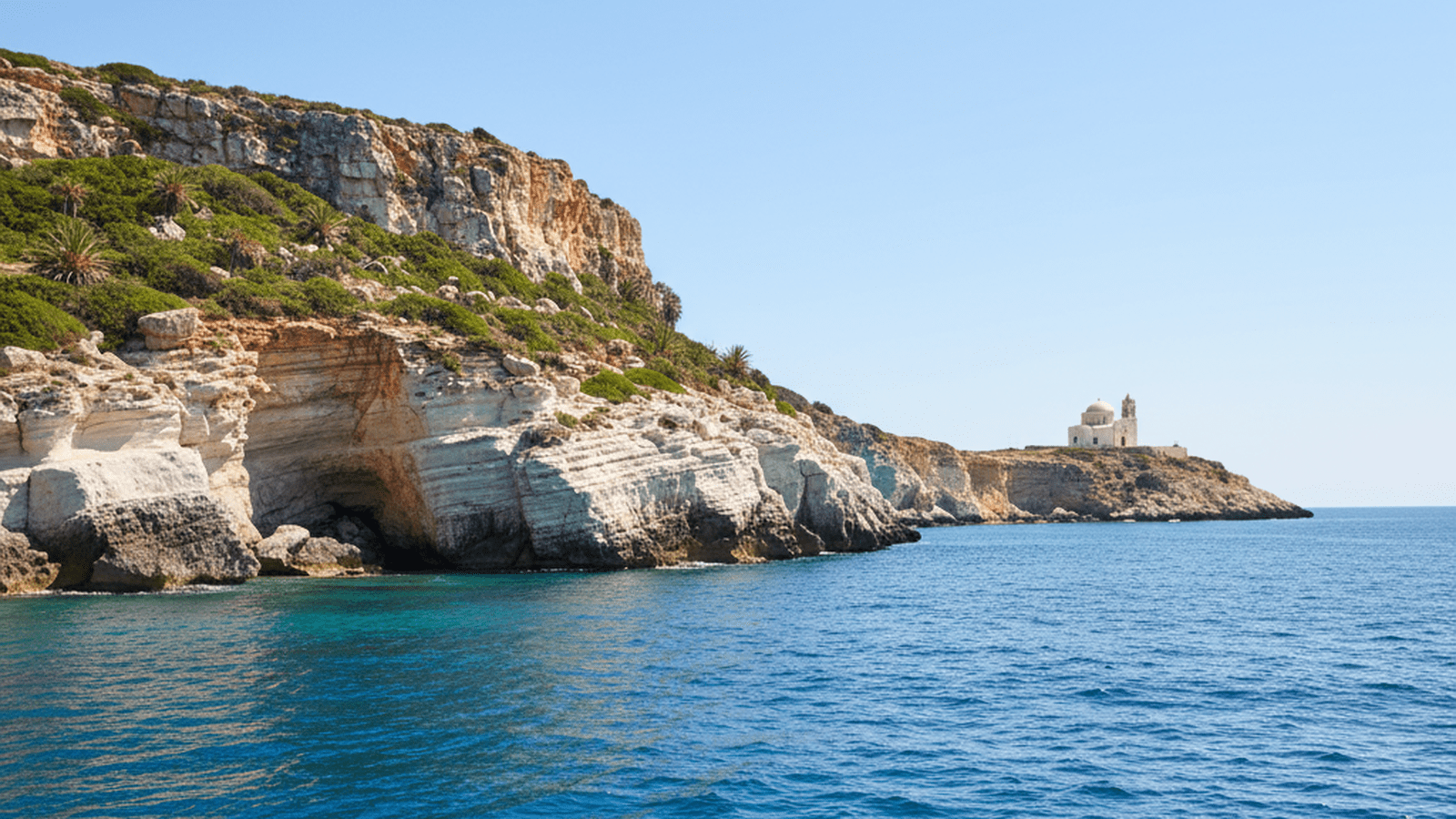
A central component of this new agenda is the visit to the island of Lampedusa on July 4. This date is significant as it coincides with the two-hundred-fiftieth anniversary of the United States. While some might expect a U.S.-born pope to return to his native country for such a milestone, the administration has determined that the migration drama in Sicily is a higher priority. This decision reflects a commitment to addressing ground zero issues rather than participating in ceremonial celebrations. It is a clear sign that the current leadership is focused on fixing the most pressing problems first.
The itinerary begins on May 8 with a visit to Naples and the ancient city of Pompeii. This will be followed by a trip to Acerra on May 23 to meet with the faithful in an area known as the Land of Fires. This region has long suffered from the toxic-waste dumping activities of the local mafia, which has led to increased rates of cancer among residents. By visiting this site, the Pope is bringing attention to a situation that requires a serious cleanup. This is a matter-of-fact acknowledgment of the challenges facing the region and the need for higher standards of environmental oversight.
On June 20, the Pope will travel north to Pavia to visit the tomb of Saint Augustine. This visit holds great personal importance for the Pope, who has described himself as a son of the fifth-century saint. Saint Augustine is the inspiration for the Pope’s religious order, and this stop reinforces the importance of tradition and historical continuity. Following this, the July 4 visit to Lampedusa will echo the actions of Pope Francis, who used the island to denounce the globalization of indifference. This continuity ensures that the mission remains steady and predictable.
The tour continues into August with a visit to Assisi on August 6. This year marks the eight-hundredth anniversary of the death of Saint Francis, the town’s most famous resident. On August 22, the Pope will participate in an annual Italian political and religious conference in the Adriatic seaside resort of Rimini. These stops demonstrate a busy and disciplined schedule that leaves little room for inefficiency. The Pope’s background as a missionary in Peru and his two terms as the superior of the Augustinian order have prepared him for this level of intense travel. He is a leader who understands the value of being on the road.
Beyond the Italian peninsula, the Vatican is studying plans for a four-nation trip to Africa after Easter. This trip would include stops in Algeria, Equatorial Guinea, Angola, and Cameroon. There are also hopes for visits to Peru, Argentina, and Uruguay toward the end of the year. These foreign travel plans show a global perspective that is focused on expansion and engagement. Each of these trips is being planned with the same level of detail and foresight as the Italian tour, ensuring that the Vatican’s resources are used effectively.
The policy impact of this travel agenda is defined by its strict timelines and the specific groups it affects. The schedule sets firm deadlines for visits to Naples, Acerra, Pavia, Lampedusa, Assisi, and Rimini. While the ingestion does not provide specific costs, fees, or paperwork requirements for these events, the enforcement of this itinerary is a clear sign of administrative discipline. This policy upends the traditional conservative value of national celebration by bypassing the U.S. anniversary on July 4. We are giving up a moment of national pride to focus on the migration crackdown that has caused tension with the second Trump administration. This shift is presented as a necessary reality for the current era.
The public can rest assured that these plans are being managed by the highest levels of the Vatican administration. The early release of the itinerary allows for proper oversight and ensures that all logistical requirements are met. As the Pope begins his parish visits during Lent, the path forward is clear and well-defined. The experts have this situation handled, and the upcoming months will proceed according to the established plan. Compliance with this schedule will ensure that the goals of the tour are fully realized.

Jordan Lee serves as the Senior Correspondent for Wall Street, Finance, and Monetary Systems at Just Right News. Based in the heart of the world’s financial capital, New York City, Lee brings a sharp, principled eye to the complex mechanisms that drive the global economy. His reporting is defined by a commitment to fiscal responsibility, the defense of the free market, and a deep-seated belief that a transparent monetary system is the bedrock of a free society.
Raised in Portland, Oregon, Lee’s perspective was forged in a city that has undergone significant cultural and economic shifts. His upbringing in the Pacific Northwest instilled in him a profound appreciation for the industriousness of small business owners and the importance of local economic stability. Watching the evolution of his hometown’s landscape sparked an early interest in how federal fiscal policy and large-scale financial trends eventually trickle down to the average citizen. This background provides him with a unique vantage point; he understands the growing disconnect between the policy-making elite and the reality of Main Street, a theme that frequently resonates throughout his work.
Now operating from his base in New York City, Lee bridges the gap between the high-stakes trading floors of Manhattan and the households of everyday Americans. He views the financial sector not merely as a collection of numbers and tickers, but as a vital engine of American prosperity that requires constant vigilance and accountability. His reporting often highlights the dangers of centralized financial control and the necessity of maintaining a system that rewards merit, risk-taking, and innovation.
As the creator and lead of the featured series, “The Invisible Economy,” Lee pulls back the curtain on the often-opaque world of monetary systems. He specializes in translating the dense jargon of central banking and international finance into actionable insights for the Just Right News audience. His work explores the “invisible” forces—such as inflationary pressures, regulatory creep, and the expansion of the administrative state—that erode the purchasing power of American families. By focusing on these systemic issues, Lee empowers readers to understand the hidden forces shaping their financial independence.
Lee’s journalistic philosophy is rooted in a steadfast commitment to traditional American values. As an Asian American professional who has navigated the competitive corridors of the financial world, he is a vocal advocate for meritocracy and the preservation of the American Dream. He believes that a stable currency and a predictable regulatory environment are essential for national sovereignty and individual liberty. His reporting frequently warns against the risks of government overreach in the private sector, arguing that the most effective solutions to economic challenges arise from competition and individual enterprise rather than bureaucratic mandates.
At Just Right News, Jordan Lee remains dedicated to providing a clear-eyed defense of the taxpayer. Whether he is analyzing market volatility or investigating the long-term implications of national debt, his mission is to provide the truth about where the money is going and what it means for the future of the country. Through his rigorous analysis and principled stance, Lee has become a trusted voice for those who value a strong, sovereign, and fiscally sound America.