

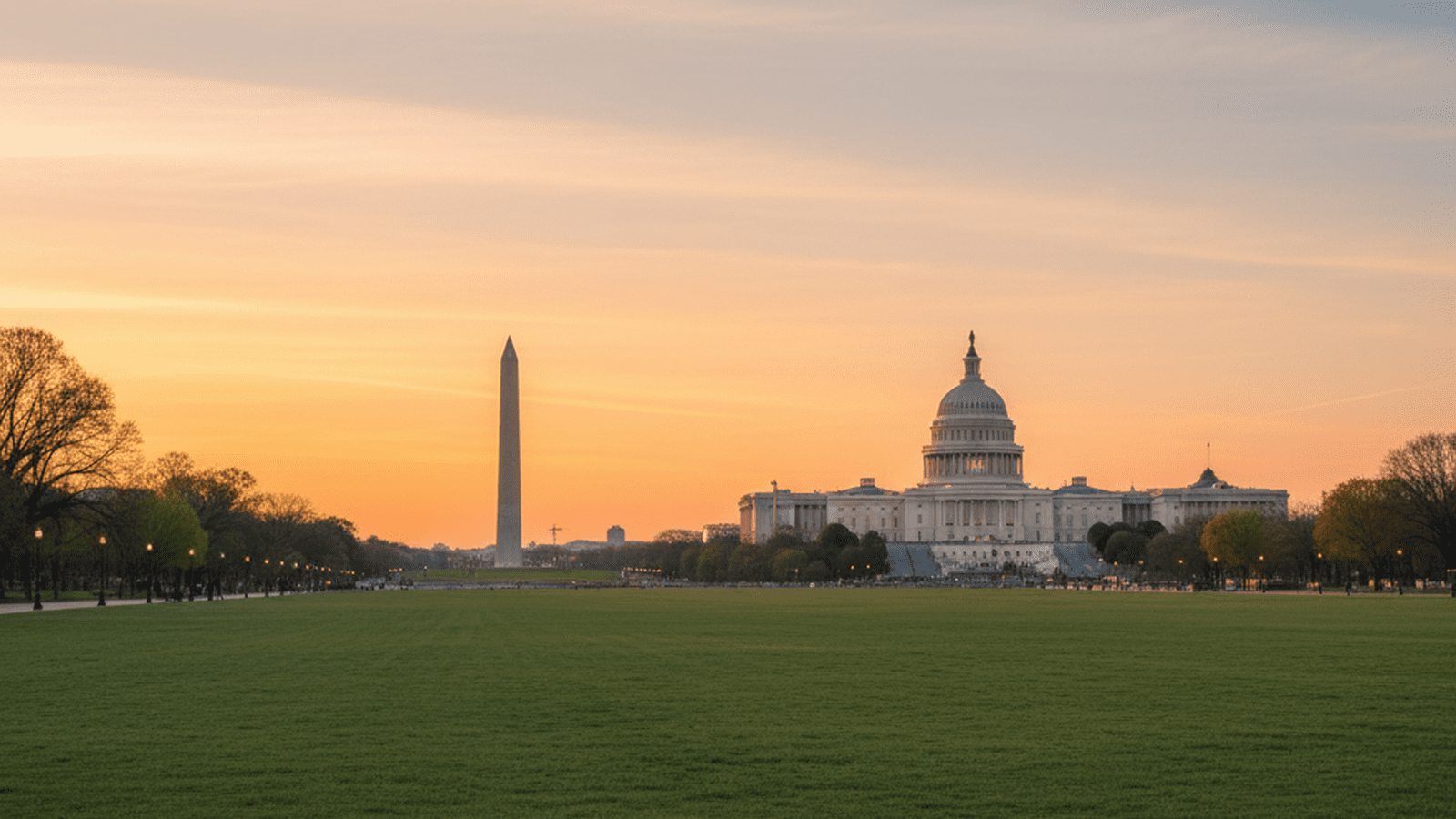
Supporters are pushing for a memorial to Thomas Paine in Washington, D.C., to mark the 250th anniversary of his pamphlet “Common Sense.” Paine was a self-educated immigrant whose writings were essential in moving the 13 colonies toward independence from Britain. While a 2022 law authorized the landmark, it still requires a final endorsement from Interior Secretary Doug Burgum before it can be built on the National Mall. The project will rely on private donations rather than public tax dollars, following a model of fiscal discipline for federal monuments. If the plan receives final approval from the Department of the Interior and Congress, the memorial must be completed by a 2030 deadline.
Supporters are making a new push to build a memorial for Thomas Paine in Washington, D.C. This effort comes exactly 250 years after his famous pamphlet helped start the American Revolution. Paine was a key figure in the founding of the United States. However, he does not yet have a monument in the nation’s capital. A law passed in 2022 authorized the project, but it still needs final approval from the federal government. The plan is currently waiting for a signature from the Secretary of the Interior.
The official rationale for this memorial is to honor Paine’s role in the birth of the United States. Supporters believe he is an important figure who has been underrecognized for a long time. They say his voice was critical because he used plain language to explain why the colonies should be independent. This memorial would finally give him a permanent place in the nation’s capital to match other founding fathers.
Thomas Paine was an immigrant who came to the colonies from Britain. He was born in 1737 in a town called Thetford. His life was not easy before he moved to America. He left school at age 13 to work for his father making corsets. Later, he worked many different jobs. He was a teacher and a government officer. He even ran a tobacco shop for a while. By the time he sailed for the New World in 1774, he was struggling with debt. He had failed at almost every job he tried. But he had also learned a lot about government and religion while living in London.
Before he left Britain, Paine met Benjamin Franklin. Franklin gave him a letter of introduction. This helped Paine find work in Philadelphia at a magazine. When the Revolutionary War began in 1775, people used small books called pamphlets to share their ideas. These were like the social media posts of that time. A doctor named Benjamin Rush encouraged Paine to write down his own thoughts about the war. Paine wanted to call his work Plain Truth. Rush suggested the title Common Sense instead. Paine agreed and released the book on January 10, 1776.
The book was a massive success. It was written in a way that regular people could understand. Historians say it was read aloud in public places and shared widely. Paine did not just complain about the British government. He attacked the whole idea of having a king. He called the idea of a monarchy ridiculous and evil. He wrote that one honest man was worth more to society than all the kings who ever lived. His words helped change public opinion. Many people stopped just wanting better treatment and started wanting a full break from Britain.
Even though he was a hero of the revolution, Paine became a very debated figure later in his life. In 1794, he began publishing a work called The Age of Reason. This book was a strong attack on organized religion. Paine believed in God, but he did not follow any specific church. He was very critical of the Bible. Because of these views, he lost many of his friends. When he died in New York in 1809, very few people went to his funeral. For a long time, American presidents did not quote him because he was so controversial.
The view of Thomas Paine began to change in the 20th century. A major turning point happened in 1980 when Ronald Reagan was elected president. Reagan was a leader of the modern conservative movement. During his big speech at the Republican National Convention, he quoted Paine. He used the line that says we have the power to begin the world over again. This helped make Paine more acceptable to people in both political parties. By 1992, Congress approved a memorial for him. That project had support from both liberal and conservative senators. However, that project failed because it did not raise enough money.
The current memorial project follows specific rules set by a 2022 law. While Congress starts the process for federal memorials, this project will be built using private donations instead of public tax money. Interior Secretary Doug Burgum must now give the final endorsement for the site on the National Mall. Once he signs the plan, it goes back to Congress for a final vote. The law sets a strict deadline for the memorial to be finished by the year 2030. This process ensures that the project meets federal standards and remains fiscally responsible.
Today, people on all sides of politics still use Paine’s words. Chief Justice John Roberts mentioned the anniversary of Common Sense in his 2025 year-end report. He praised Paine for avoiding complicated legal talk. Roberts said Paine made it clear that the purpose of government is to serve the people. Last year, protesters also used Paine’s writings during rallies across the country. They used his words to argue against government policies they did not like. His message about independence and the role of the people remains a part of the national conversation.
The Thomas Paine Memorial Association is now waiting for the Department of the Interior to make a decision. The National Capital Memorial Advisory Commission has already recommended the site on the National Mall. If Secretary Burgum signs the endorsement, the association can move forward with its mission. Supporters say they are staying optimistic about the project. They believe the 250th anniversary is the perfect time to finish this long-awaited tribute. Further updates will depend on the timeline of the federal approval process.

Julie Harris serves as a Staff Writer for Just Right News, where she tackles some of the most pressing and complex issues facing the nation today. As the lead reporter for the Migration, Demographics & Cultural Shifts beat, Julie provides a grounded, principled perspective on how the movement of people and the changing makeup of communities are reshaping the American landscape. Her work is defined by a commitment to exploring the long-term consequences of social change, prioritizing the stability of local institutions and the preservation of national identity.
Her deep understanding of these issues is rooted in her upbringing in Tucson, Arizona. Growing up in a prominent border state, Julie witnessed firsthand the intricate realities of migration and the profound impact it has on local infrastructure, law enforcement, and the social fabric. This early exposure instilled in her a respect for the rule of law and a keen awareness of the challenges that arise when federal policies fail to align with the needs of border communities. Her reporting often reflects this lived experience, bringing a necessary level of nuance to topics that are often treated with abstraction in coastal newsrooms.
Now based in Santa Fe, New Mexico, Julie continues to report from the heart of the American Southwest. Her location provides a unique vantage point to observe the intersection of traditional regional cultures and the modern shifts brought about by both internal and external migration. In Santa Fe, a city defined by its rich history and distinct cultural heritage, she finds a perfect environment to explore how communities strive to maintain their character while navigating the pressures of a rapidly changing world. This perspective allows her to bridge the gap between policy debates in Washington and the reality of life in the high desert.
At Just Right News, Julie’s work is characterized by a dedication to examining the data and the human stories that define the “New Mosaic” of America. Her signature feature series, “The New Mosaic,” has become a cornerstone of her reporting. Through this series, Julie explores the evolving social architecture of the United States, documenting how shifts in population affect everything from local economies to the political landscape. She brings a critical eye to the narrative of demographic inevitability, instead asking how these shifts impact the average citizen’s sense of belonging and the integrity of the American social contract.
Julie’s background and her dedication to conservative principles make her a vital voice in contemporary journalism. She understands that demographics are more than just numbers on a spreadsheet; they represent the future of the American family and the nation’s enduring legacy. Through her diligent reporting and insightful analysis, Julie Harris ensures that her readers are informed about the forces shaping their world, providing a perspective that is as thoughtful as it is necessary for the modern era.