

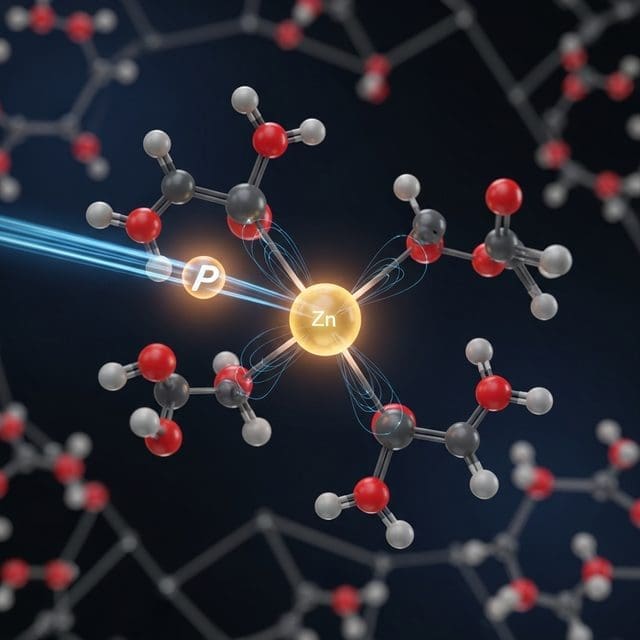
A breakthrough in proton-assisted triplet energy transfer offers a new path for solar efficiency and radiation-hardened quantum sensors in extreme environments.
A significant leap in the field of condensed-matter physics was reported on July 22, 2026, as researchers identified a novel ‘proton shuttle’ mechanism that dramatically enhances energy transport at the subatomic scale. The discovery, centered on the interaction between semiconductor nanocrystals known as quantum dots and nearby molecules, addresses a long-standing bottleneck in the development of high-efficiency photonics and quantum technologies. By utilizing a proton-assisted triplet energy transfer (PS-TET) mechanism, scientists have found a way to move energy via quantum tunneling, a process that remains remarkably stable regardless of temperature fluctuations.
The study focused on zinc selenide (ZnSe) quantum dots surface-anchored with phenol-pyridine dyads. In traditional systems, energy transfer is often limited by the thermal environment or the rigid spin states of electrons. However, the introduction of a ‘proton shuttle’ allows the energy to bypass these limitations. When compared to methylated analogues that lack the mobile proton, the PS-TET mechanism showed a massive increase in both the rate and efficiency of energy movement. This finding provides a critical new design lever for American engineers working on solar cells, lasers, and photocatalysis, where the speed of triplet transport has historically been the primary factor limiting overall device performance.
This breakthrough arrives amidst a broader surge in exciton-state engineering. Recent performance baselines in related materials, such as lead sulfide (PbS) quantum dots, have reported triplet transfer efficiencies between 57% and 65%. However, the new proton-shuttle mechanism aims to surpass these figures by exploiting internal quantum degrees of freedom. Similar work on naphthalene-functionalized cadmium selenide dots recently demonstrated that bright-dark exciton redistribution could raise efficiency from 26.9% to over 73%. By integrating the proton-shuttle design, researchers believe they can achieve even higher benchmarks, moving toward the goal of room-temperature quantum light sources that are both bright and narrowband.
Beyond the laboratory, the practical applications of these quantum discoveries are already being tested in extreme environments. At the University of Arizona, researchers have been applying similar quantum-transport principles to graphene nanoribbons. When exposed to intense gamma radiation, these nanoribbons maintain their atomic structural integrity while exhibiting measurable changes in current flow due to quantum effects. This resilience makes them ideal candidates for a new generation of radiation-hardened sensors. Such devices are essential for the real-time monitoring of material damage in fusion machines and high-energy particle colliders, where traditional silicon-based electronics would quickly fail.
The strategic importance of these findings cannot be overstated. As the United States seeks to secure its energy future, the ability to harvest solar energy with near-perfect efficiency or to stabilize the superheated plasma in fusion reactors becomes a matter of national sovereignty. The Department of Energy’s Genesis Mission is already tapping into these physics breakthroughs, utilizing AI-driven real-time control and quantum algorithms to simulate the complex plasma behaviors required for practical fusion power. These projects represent a shift away from centralized, inefficient energy grids toward a future of decentralized, high-output innovation rooted in the fundamental laws of physics.
As these technologies move from the theoretical to the applied, the focus remains on maintaining the structural and functional integrity of the materials involved. Whether it is the proton shuttle facilitating energy flow in a solar cell or graphene sensors surviving the heart of a nuclear reactor, the common thread is the mastery of the quantum realm to serve human liberty and industrial progress. The coming years will likely see these ‘proton-assisted’ architectures move into commercial production, offering a principled, high-tech solution to the world’s growing energy demands while defending the technological edge of the American research enterprise.

Mason Reed serves as a Staff Writer for Just Right News, where he spearheads the Future Frontiers & Special Projects desk. In an era defined by rapid technological shifts and evolving social landscapes, Mason provides a steady, principled voice, examining the innovations of tomorrow through the lens of traditional American values. His work is most prominently featured in his signature series, “The Next Horizon,” where he explores the intersection of emerging technology, national sovereignty, and the preservation of individual liberty.
A native of San Diego, California, Mason’s worldview was shaped by the unique culture of his hometown. Growing up in a region defined by its strong military presence and its history of maritime industry, he developed a deep-seated respect for the institutions that provide national stability and the entrepreneurial spirit that drives the American economy. This upbringing instilled in him a belief that true progress is not found in discarding the past, but in building upon a foundation of proven principles. His reporting often reflects this San Diego influence, emphasizing the importance of a robust national defense and the necessity of maintaining a competitive edge in the global marketplace.
Now based in San Francisco, Mason operates from the heart of the world’s technological engine. Living and working in the Bay Area provides him with a front-row seat to the advancements—and the ideological challenges—emanating from Silicon Valley. While many in the region embrace a “move fast and break things” mentality, Mason’s reporting serves as a vital counterweight. He offers Just Right News readers a “boots on the ground” perspective, documenting how radical local policies and the concentration of tech power impact the everyday lives of citizens. His proximity to the industry allows him to cut through the marketing jargon of big tech to uncover the real-world implications for privacy, free speech, and the nuclear family.
In his “Future Frontiers” beat, Mason tackles complex subjects ranging from the ethics of artificial intelligence to the burgeoning private space race. He approaches these topics with a healthy skepticism toward centralized bureaucracy, championing instead the decentralized innovations that empower individuals. Through “The Next Horizon,” he highlights the pioneers and thinkers who are working to ensure that the future remains a place where human dignity and constitutional rights are protected. He believes that the rapid pace of change requires more than just technical expertise; it requires a moral compass rooted in the Western tradition.
Throughout his tenure at Just Right News, Mason has remained committed to the idea that the future is something to be shaped, not merely accepted. His writing is characterized by a rigorous defense of American exceptionalism and a belief that the country’s best days lie ahead, provided it remains true to its founding ideals. Whether he is investigating the impact of automation on the American workforce or profiling the next generation of aerospace engineers, Mason Reed ensures that his readers are equipped with the insights they need to navigate a changing world with confidence and clarity.